LDO Selection
LDOs for Low Noise and Low Dropout
A low-dropout regulator is a linear voltage regulator that holds its output steady while the input sits only a little above that output level, passing the current through a series pass transistor that it runs as a controlled variable resistance. It trades efficiency for quiet, since the voltage it drops turns into heat, and in return it gives a rail with none of the switching ripple a buck or boost converter carries. The output tracks a clean internal reference, so it carries the quiet a sensitive load is paying for. That quiet is the reason an LDO feeds the sensitive parts of a board that a switching supply would otherwise disturb, and the selection turns on how little it drops, how little noise it adds, and how much heat it can shed. Each of those pulls against the others, so the part is chosen for the one the rail cares about and checked against the rest.
The parameters that define the part
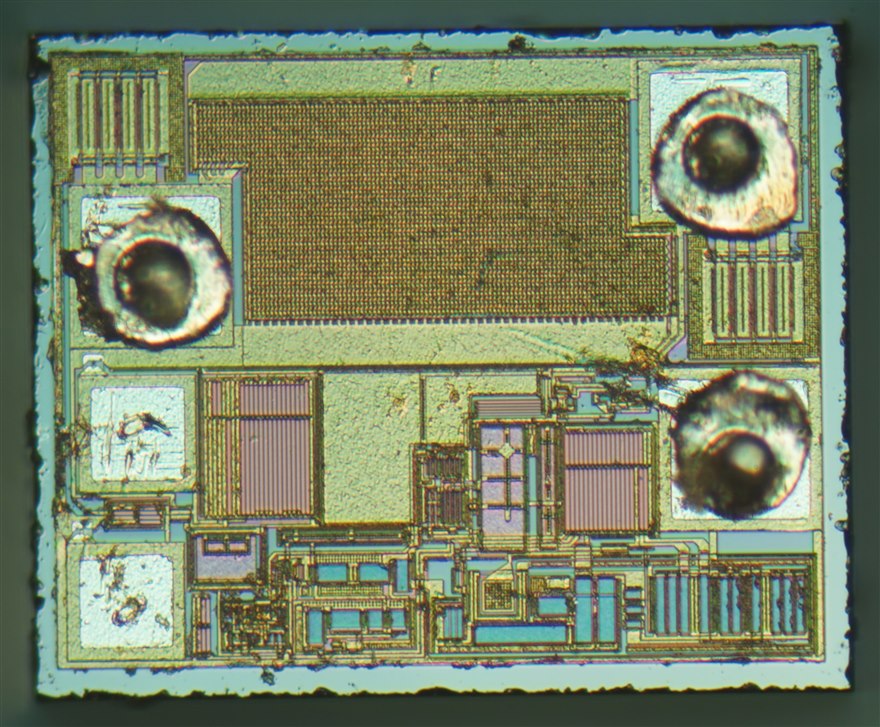
Dropout voltage is the term the part is named for, the smallest input-to-output difference it can hold before the output starts to follow the input down. How dropout voltage limits the load decides whether a part can make 3.3 V from a tired battery sitting near 3.5 V, and a low dropout is what lets a regulator keep working as the input falls toward the output. The figure is quoted at a stated load current and climbs as the load grows, since the pass transistor needs more drive to carry more current, so the dropout that matters is the one measured at the design’s full load, which sits above the headline minimum.
Power-supply rejection is the next, since an LDO earns its place by cleaning a rail rather than only setting its level. How much PSRR a design needs depends on what it feeds, because the regulator’s job on a sensitive rail is to keep the noise on its input from reaching its output. PSRR falls off as frequency rises, so a part that rejects strongly at low frequency may give back much of that by the time the switching ripple of an upstream converter arrives, which is the frequency that usually counts for the rail. Noise the LDO makes on its own matters as much, and where the ultra-low-noise ADI LT3045 is needed is the rail feeding a sensitive analog or RF part that a noisier regulator would spoil. The noise figure to read is the integrated output noise over a stated band, in microvolts, since a part can look quiet on a spot-noise number and still add more total noise than a precision converter can tolerate.
Quiescent current is the term a battery design reads next, the current the regulator burns just to run itself, separate from what it passes to the load. On a device that idles for the bulk of the day a part drawing tens of microamps to keep its own reference alive can outweigh the load it feeds, so a low-power LDO is chosen for the standby budget as much as for the rail it makes.
The output capacitor is part of the regulator.
An LDO is a feedback loop, and the capacitor on its output sets the loop’s stability, so selecting the output capacitor for stability is part of choosing the part itself. Some older parts need a minimum equivalent series resistance to stay stable and oscillate without it, while modern parts are built for ceramic capacitors, so the capacitor and the regulator are specified together. The input capacitor matters too, since the LDO can only reject what its own supply pins stay quiet enough to ignore, and a part starved of input bypassing passes through the noise it was bought to block.
Where each part earns its place
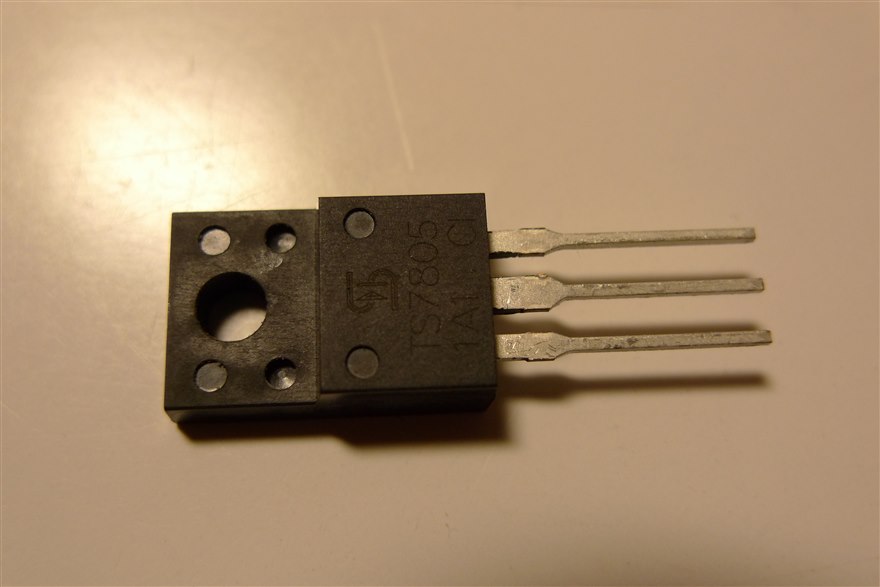
The everyday rails take an everyday part, and the classic fixed regulator still fills the bulk of them. The reason the AMS1117 twenty years on remains on so many boards is that it is cheap, available everywhere, and good enough for a rail that does not feed anything fussy, though its dropout is high by modern standards and its quiescent current rules it out of a battery design. It survives on price and ubiquity, which on a non-critical 3.3 V or 5 V logic rail are reason enough to keep specifying it. Where a small, low-current rail needs a tidy part, the place a small LDO like the Microchip MIC5219 fits is the local supply for a sensor or a small module that wants its own clean rail. Placing a small LDO right at the load it feeds, with a short trace from the central rail, is a common way to give one noisy-neighbour part its own quiet island without re-architecting the whole supply.
Precision rails are a different tier. Selecting a part by the key parameters of the TI TPS7A family covers the low-noise, high-PSRR rails that a converter or a clock leans on, and the reason RF designs keep choosing the TI TPS7A47 is the noise floor it holds under a sensitive radio, where a noisy supply turns straight into phase noise. The work of fitting the RF front end to a wireless design leans on a supply this quiet, since a clean amplifier still picks up the hum on a noisy rail underneath it.
The match is between the rail’s sensitivity and the part’s noise. A precision LDO on a plain digital rail spends its quiet where nothing needs it, and a cheap one on an RF rail costs the radio its noise floor.
The heat the package has to carry
An LDO turns the voltage it drops into heat, so the power it dissipates is the dropped voltage times the current through it, and on a large drop at real current that heat decides the package as firmly as the electrical spec does. When a hot-running LDO needs a different package, the answer is a part with a thermal pad and the copper to spread it, or a rethink of whether a linear part belongs there at all. The drop is the lever: halving the input-to-output difference halves the heat at the same current, so a pre-regulator that brings the input closer to the output can keep a linear part in a job that would otherwise cook it. A regulator dropping 3 V at half an amp burns a watt and a half, which a tiny package cannot shed, so the same die in a larger thermal package is the difference between a rail that holds and one that shuts down on its own thermal protection.
The board is half of that thermal path. A tabbed or pad-down package moves its heat into the copper it sits on, so the pour under the part and the vias into inner layers set the real temperature as much as the package rating does. A part rated for a watt on a generous board sheds far less on a cramped one, and the datasheet number assumes a copper area a small design may not have.
Thermal shutdown and current limit are backstops the design should keep clear of. A part that leans on them in normal operation runs hot enough to age the board around it and to fold back its output under load, so the design sizes the package to stay well clear of those limits and treats them as protection only.
That heat is the honest limit on where an LDO fits, and it is the point where the choice between a linear part and a switcher gets made. Deciding between an LDO and a DC-DC for a rail comes down to the drop and the current: a small drop suits the quiet, simple LDO, while a large drop at real current wastes too much in a linear part and calls for a switcher, sometimes a switcher followed by a small LDO to clean up its ripple. Efficiency makes the same point from the other side: an LDO’s efficiency is roughly the output voltage divided by the input, so making 1.8 V from 5 V throws away nearly two-thirds of the power as heat, a loss a battery design cannot carry. That last arrangement is common on a sensitive rail, since it takes the efficiency of the switcher for the bulk of the drop and the quiet of the LDO for the final volt, giving a rail that is both efficient and clean.
How LDOs get chosen and sourced
Linear regulators run long production lives, and a part like the AMS1117 has been a stocking staple for two decades, so the catalog is deep and a design rarely faces a forced redesign for want of one. The sourcing trap is the substitute that matches voltage and pinout while differing on dropout, on noise, or on the output capacitor it needs to stay stable, since a swap made on the package alone can oscillate or brown out a rail the original held. An independent distributor that carries the regulator lines from the jellybean fixed parts to the ultra-low-noise grades is where a design finds both the specified part and a stand-in whose dropout, noise, and stability have been checked against the original.
The output-capacitor requirement is the one that catches a hurried swap. A part that was stable on a tantalum with some series resistance can oscillate when a newer board uses a low-ESR ceramic, and the reverse trips a modern ceramic-stable part fed from the wrong capacitor, so the stability notes in the datasheet are read alongside the voltage and the current before a substitute goes down. The part chosen here decides whether every rail downstream is clean enough for what it feeds, which is why the LDO is matched to its load by noise and PSRR, with voltage taken as a given. A board can pass every digital test and still fail on analog performance traced back to a rail that was specified on voltage and current with its noise and PSRR left unread, a fault that hides until the measurement it spoils is looked at closely.
The judgment that fits
Pick an LDO on its dropout, its noise and PSRR against what the rail feeds, and the package’s ability to carry the heat it makes, and move to a switcher when the drop gets large. The ten pages below take those parameters one at a time, from dropout and PSRR through the specific parts that fit a cheap rail, a battery rail, or a sensitive RF supply.