Power Discretes
Power MOSFETs, IGBTs and Diodes by Thermal Budget
Power discretes are the transistors and diodes that switch and carry the current in a supply, a motor drive, or a converter, and the heat each one makes under load is what decides whether the part fits the board it sits on. A MOSFET, an IGBT, or a diode all turn electrical loss into heat as they conduct and switch, and the package can only shed so much of it before the junction runs too hot. The selection starts from the thermal budget, the heat the board can carry away, and works back to a part whose conduction and switching losses stay inside it. A device that is cheap, fast, or small means nothing if the board cannot keep its junction cool, so the heat is the constraint the rest of the choice answers to.
Why the thermal budget comes first
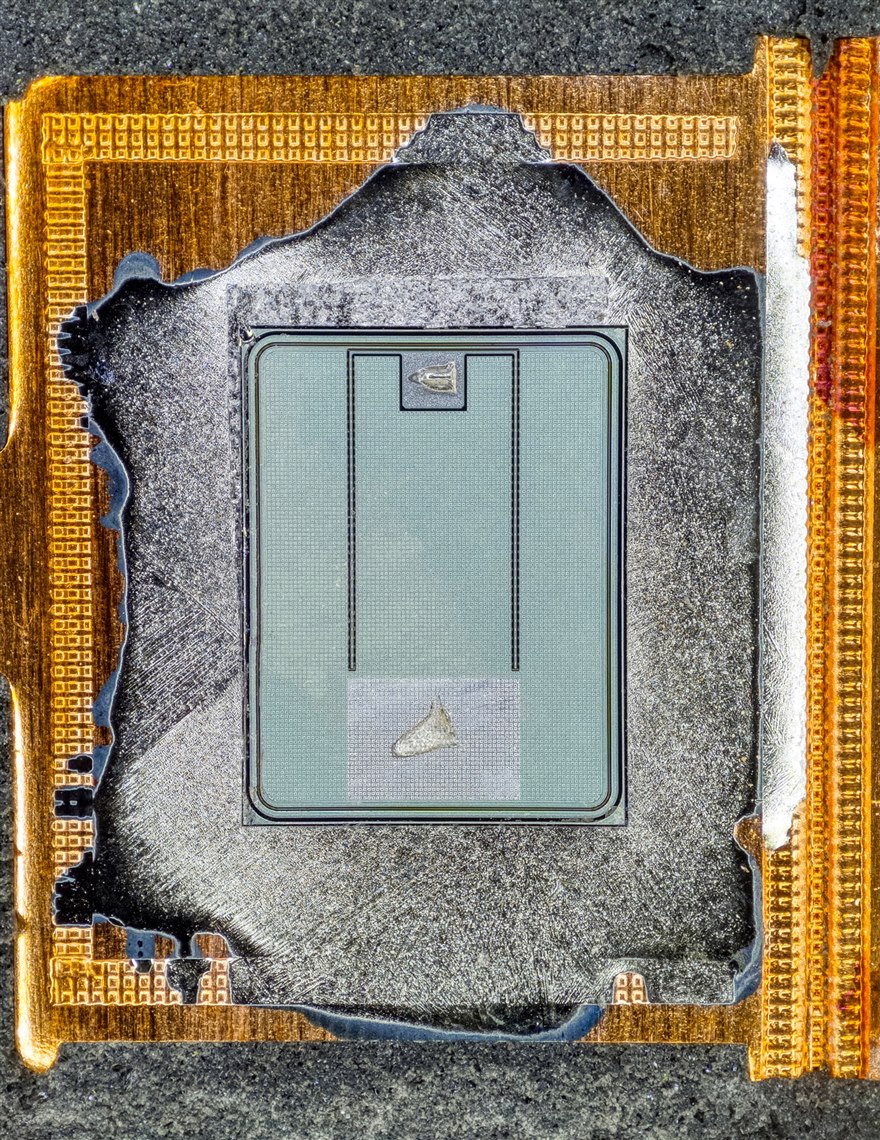
A power part is rated for a current, but the number that binds a design is the temperature its junction reaches at that current. The loss splits in two: conduction loss, the steady burn as the part carries current, and switching loss, the energy it spends each time it turns on and off. Both land in the same junction, and the package, the heatsink, and the board copper decide how fast that heat leaves. Conduction loss grows with the current the part carries; switching loss grows with the frequency it runs, so a part that is quiet at low speed can dominate the heat budget once the frequency climbs. A part inside its current rating still fails if its losses outrun the cooling the board can give it. The current on the front of the datasheet is often a pulsed or a case-temperature figure that no real board reaches, so the number that counts is the continuous current at the junction temperature the design allows.
That makes the thermal path part of the part choice. A device in a small surface-mount package can carry real current on a board with enough copper poured under it, and the same die in the same package fails on a cramped layout with nowhere for the heat to go. The datasheet current assumes a thermal situation a real board may not have, so the rating gets read against the cooling the design can give it in the real enclosure.
Margin is part of the same sum. A junction allowed to sit near its rated maximum has no headroom for a hot day, a fan that clogs, or a load that runs heavier than the spec, so a design leaves room below the limit and accepts the larger part or the better heatsink that buys it. Reliability falls off as the junction runs hotter, so the margin is bought on purpose and not trimmed to save a few cents.
The budget sets the device.
Once the heat the board can shed is known, the loss budget for the switch follows, and that budget points to a technology and a part. A loose thermal budget tolerates a cheaper, lossier part; a tight one, a sealed enclosure or a dense board, forces a lower-loss device or a better package, and pays for it. The same load can be served by a cheap silicon part with a big heatsink or a costly wide-bandgap part with almost none, and which one wins depends on whether the board has room for the heatsink or the budget for the silicon. The pages below take each device family by the losses it makes and the heat it asks the board to carry.
MOSFETs, IGBTs, and the crossover between them
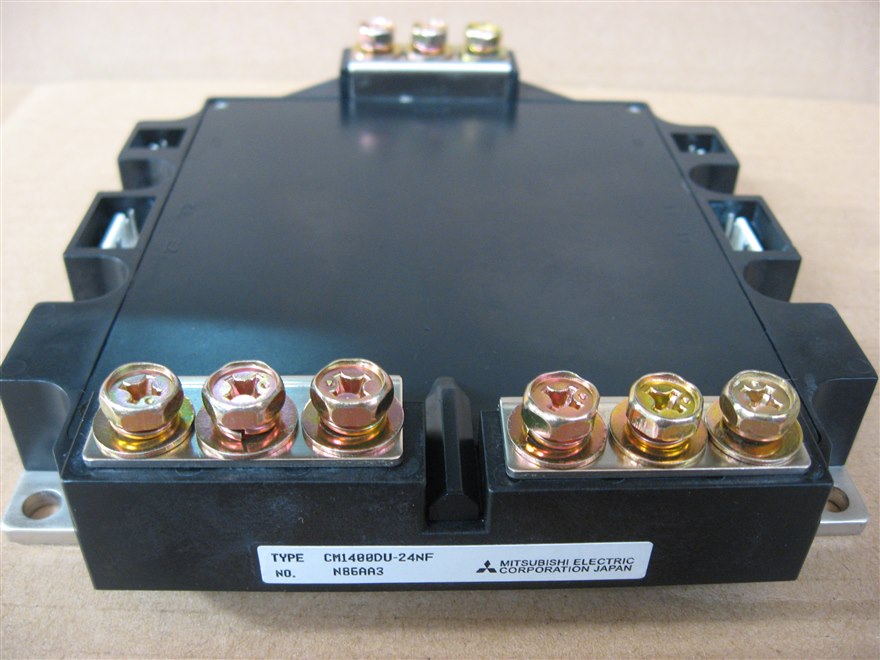
The MOSFET is the default switch for low and middle voltages and for high switching frequencies, since its conduction loss falls with its on-resistance and it turns on and off fast with little switching loss at those speeds. Selecting one means reading the parameters that set those losses, the work of choosing MOSFETs by conduction loss and thermal budget, since the on-resistance, the gate charge, and the package thermals together fix how much heat the part makes at a given current and frequency. A low on-resistance cuts the conduction loss but usually comes with a larger gate charge, which raises the switching loss, so the two are traded against each other at the frequency the design runs rather than minimised on their own.
The IGBT takes over where the voltage climbs and the frequency drops. At high voltage and high current it carries the load with a lower conduction drop than a MOSFET of the same rating, so IGBT selection and protection is the path for motor drives, welders, and high-power inverters, where the switching is slow enough that the IGBT’s turn-off loss stays manageable and its protection against short-circuit and overcurrent becomes the design’s main concern. An IGBT typically survives a short for only a few microseconds, depending on the device, so the gate driver has to detect the fault and turn the device off inside that window, which makes the protection circuit as much a part of the design as the device itself.
The line between them moves with the wide-bandgap parts. Weighing SiC against GaN is how a design reaches higher voltage and frequency than silicon allows: SiC carries the high-voltage, high-temperature loads that once needed an IGBT, and it switches faster than the IGBT did, and GaN switches faster still at lower voltages, each pushing into a band silicon handled poorly. SiC suits the high-voltage traction, solar, and industrial loads; GaN suits the dense, high-frequency adapters and converters where its speed shrinks the whole supply. The cost is higher per part, paid back in smaller magnetics and less heat.
The gate drive ties these choices together. A MOSFET and an IGBT each want a gate driver matched to their charge and their threshold, and the wide-bandgap parts ask for tighter control still, since a GaN device switches so fast that a loose gate loop or a slow driver throws away the speed that justified the part. The switch is chosen with its driver and its layout in view, since the fastest device on paper loses its edge to a gate loop that cannot keep up. The driver voltage and the gate resistor set how fast the device switches, which trades switching loss against the overshoot and ringing a hard, fast edge throws onto the node.
Diodes and the parts that still suit a bipolar
The diode is the other half of nearly every power stage, and its losses matter as much as the switch’s, since the diode conducts for part of every cycle and burns its forward drop times the current the whole time. Choosing diodes by their role, the work of picking a diode by its role, covers the rectifier that turns AC to DC, the Schottky that drops little in a low-voltage converter, the fast-recovery part that catches the current in a switching node, and the TVS or Zener that clamps a transient, each chosen on its forward drop, its recovery, and the heat that drop makes at the current it carries. The reverse-recovery charge is the trap on a fast switching node, since a diode that recovers slowly dumps a current spike into the switch each cycle and adds loss in both parts, so the diode is matched to the switch and the frequency, not picked on its voltage and current alone.
The bipolar transistor, the oldest of these devices, still holds a few corners that the MOSFET never took. Knowing where bipolar transistors still fit covers the low-cost switching, the analog gain, and the current-source jobs where a BJT’s behaviour suits the circuit and its price undercuts the alternatives, long after the MOSFET took the bulk of the switching work. A BJT needs base current to stay on, where a MOSFET needs only a voltage, so the BJT costs drive power that rules it out of efficient switching. That same current-driven behaviour gives a clean, predictable response a small-signal or a linear stage still leans on. For a logic-level load switch or a cheap signal driver, a cent-level BJT is the part the board reaches for.
How power discretes get chosen and sourced
A power discrete is chosen on a chain of numbers that ends at temperature, so the part, its package, and the board’s cooling are specified together, and a substitution that keeps the voltage and current ratings can still cook a board if its losses or its thermal resistance differ. A broad-line distributor that carries the MOSFET, IGBT, diode, and wide-bandgap families across the voltage and current range lets a design source the switch and its companion diode together, and find a part with the same losses in the same package when the specified one is short. A power discrete swap is read on more than the headline ratings: the on-resistance or the saturation drop, the thermal resistance from junction to case, the recovery charge, and the package footprint all decide whether the replacement runs as cool as the original. A part that matches the voltage and current but carries a higher thermal resistance lands the same loss at a hotter junction, so the substitution is checked on the thermal numbers before it reaches a build.
Supply runs long on these parts and tight in a shortage. Power discretes from the big silicon and wide-bandgap vendors stay in production for years, yet a popular MOSFET or a SiC part can go on allocation when demand spikes, so a design holds a qualified second source on the parts it leans on. The wide-bandgap devices are the ones to watch, since their supply base is younger and a single qualified part can have no close drop-in, which makes the early sourcing check pay off as much as the thermal one.
The thermal budget is the constant the whole selection answers to, since a part that runs cool on one board burns up on another, and the heat is the quantity the whole design turns on.
The judgment that fits
Start from the heat the board can carry, set the loss budget that fits inside it, and pick the device family and the package that stay within it at the voltage and frequency the design runs. Read the current at the junction temperature the design allows, leave margin below the limit, and match the diode and the gate drive to the switch. The five pages below take MOSFETs, IGBTs, diodes, bipolars, and the wide-bandgap parts one at a time, each by the losses it makes and the heat the board has to carry for it.