Regulation (EU) 2023/1542. In force since August 17, 2023. Replaces the 2006 Battery Directive. Five categories of batteries, obligations from CE marking through end-of-life recycling, directly applicable across member states. The compliance summary has been written a thousand times elsewhere and I am not going to write it again.

LFP Recycling Economics
Article 71(3)(e) sets lithium material recovery at 50% by 2027, 80% by 2031. Article 8 and Annex XII establish recycled content requirements, declaration from 2028, mandatory minimums from 2030. Language is chemistry-neutral throughout. Specifies elements. Never names a cathode formulation.
The impact assessment is SWD(2020) 335 final. The recycling cost modeling in Annex 10 uses NMC-based parameters. LFP appears in waste composition scenarios but the cost side of the model does not break out what LFP actually costs to recycle versus NMC. JRC Technical Report EUR 31104 EN (2023) covers LFP recycling from a technical feasibility angle and says almost nothing about whether it makes money at 2024-2025 lithium prices. Neither document answers the question that matters.
NMC recycling is profitable because of cobalt. At 12-15% cobalt by mass in NMC 811 cathode active material and cobalt metal pricing above USD 30,000 per tonne, the cobalt content in a batch of spent cells more than covers the entire processing cost. Nickel adds further margin. Lithium recovery is incidental, a low-cost add-on at the end of a hydromet process that was already economically justified by the other metals. Recyclers pay USD 30-50 per kWh of spent NMC cell capacity for feedstock. Revenue event at end of life.
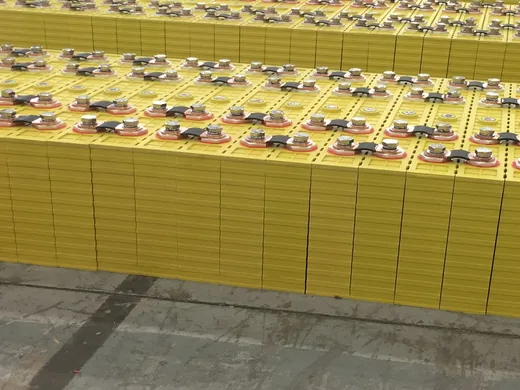
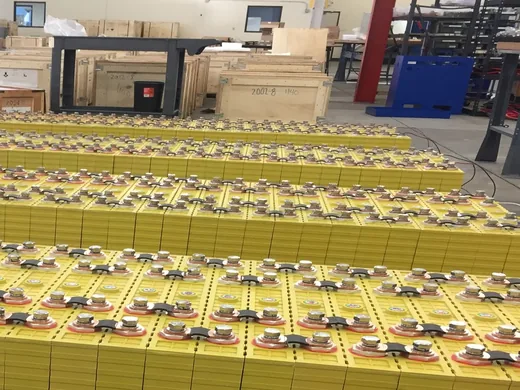
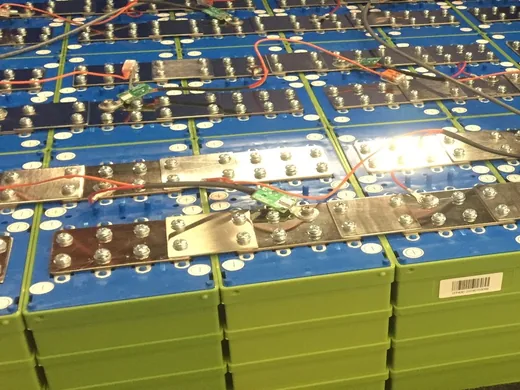
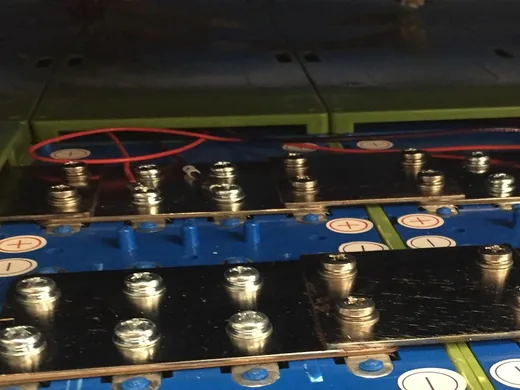
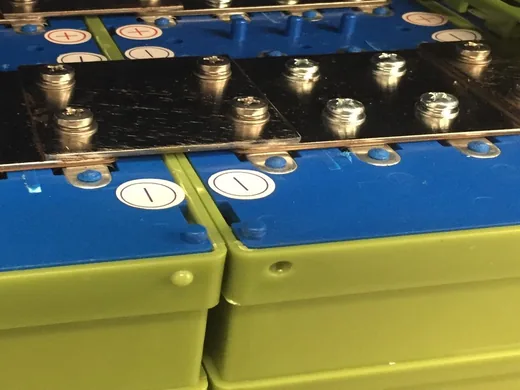
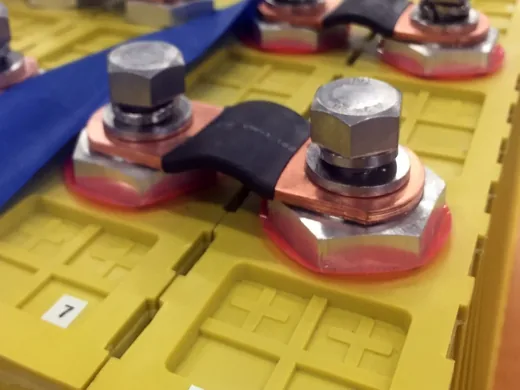
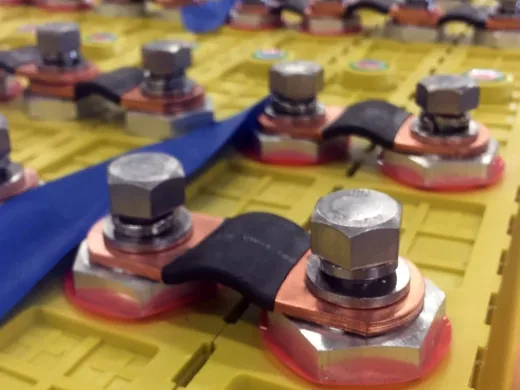
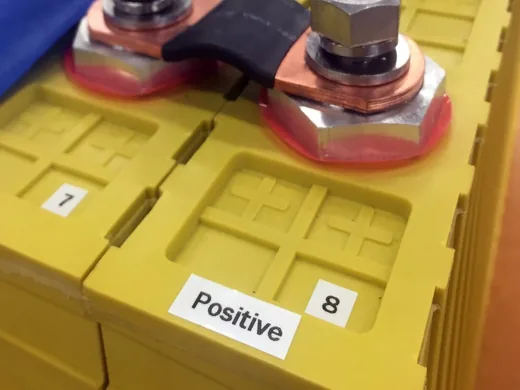
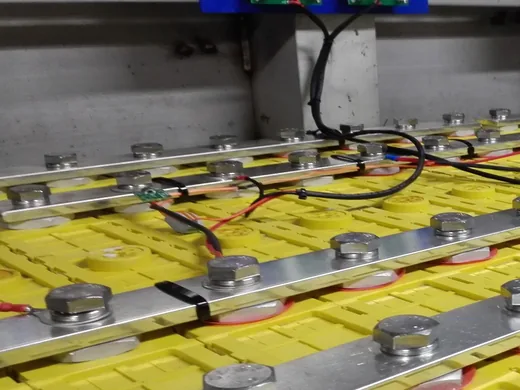
LFP cathode is LiFePO4. The recycling value proposition collapses because there is nothing in the waste stream except lithium that is worth recovering, and lithium by itself at current spot prices frequently cannot cover the processing cost.
LFP cathode is LiFePO4. The recycling value proposition collapses because there is nothing in the waste stream except lithium that is worth recovering, and lithium by itself at current spot prices (USD 10,000-15,000 per tonne lithium carbonate through most of 2024 and first half 2025, down roughly 85% from the 2022 peak) frequently cannot cover the processing cost. CITIC Securities Q3 2024 research note and Shanghai Metals Market pricing put the all-in cost for extracting lithium carbonate from LFP black mass at USD 6,000 to USD 10,000 per tonne LCE depending on scale and reagent sourcing. At the ugly intersection of high processing cost and low lithium price, the margin is negative before collection and transportation. At the favorable intersection the margin is thin enough that it would not justify building a new plant, certainly not in Europe where labor and energy run higher.
Gate fees have already appeared. Several Chinese LFP recyclers charge the battery holder to accept waste. Asian Metal reported RMB 1,000 to RMB 3,000 per tonne of spent LFP cells through 2024, roughly USD 140-420 per tonne. European gate fees will run higher. Cash flow at end of life runs in the opposite direction from NMC.
The 80% lithium recovery target makes this worse specifically for LFP because pushing from 50% to 80% recovery in LFP hydromet adds disproportionate cost. The last lithium fractions in the leachate are entangled with iron and phosphate impurities and require additional reagent stages, additional waste treatment, and additional energy to capture cleanly. In NMC hydromet, achieving high lithium recovery is a marginal cost increment on an already-intensive process justified by cobalt and nickel revenue. In LFP hydromet it is additional cost layered onto a process whose baseline economics are already underwater.

By 2030, recycled content minimums apply. Where does the recycled lithium come from for an LFP manufacturer selling into the EU? Not from LFP recycling at scale, because the economics described above mean nobody is investing in European LFP recycling capacity. Not cheaply from Chinese LFP recyclers either, who are charging gate fees rather than buying feedstock. The remaining pool is lithium recovered from NMC recycling as a cobalt-subsidized byproduct, which NMC manufacturers also need for their own compliance. Competition between LFP and NMC manufacturers for a limited pool of recycled lithium could push recycled lithium above the virgin lithium carbonate price, which is a perverse outcome from a circular economy perspective and a predictable one from a supply-demand perspective.
Direct recycling (relithiation of degraded olivine structure without dissolution) could change this. Active research at Argonne, Faraday Institution, Chinese university groups. Three to five years to commercial scale by their own estimates. Probably not ready for the 2030 recycled content deadline.
The drafters worked in 2020-2022 when LFP had not yet crossed 50% global share and lithium prices were near all-time highs. Both conditions have reversed. The impact assessment's cost modeling did not catch the asymmetry because it was not designed to catch it. I think this was an analytical blind spot rather than a deliberate policy choice, based on the absence of chemistry-specific cost analysis in the published legislative record, but I have no way to prove that from the public documents alone.
The trade politics angle is unavoidable. LFP is Chinese-dominated technology. BYD and CATL own the space. When the regulation's recycled content provisions create costs that fall disproportionately on a Chinese chemistry while barely touching the ternary route that European companies historically preferred, and when this happens in a regulatory jurisdiction that is also imposing anti-subsidy tariffs on Chinese EVs and actively courting Chinese battery investment in Eastern Europe, someone will frame it as a non-tariff barrier. The text names lithium, not LFP. The economics do not need the text.
Same regulation, two sustainability pillars, opposite effects on the same chemistry. I have looked for a published analysis that models the combined net regulatory cost across both pillars for an LFP versus NMC product on the European market. I have not found one.
Adding to the strangeness: LFP produces less CO2 per kWh than high-nickel ternary (no cobalt/nickel refining energy input), so the regulation's carbon footprint provisions (Article 7, thresholds from 2028) favor LFP. Same regulation, two sustainability pillars, opposite effects on the same chemistry. I have looked for a published analysis that models the combined net regulatory cost across both pillars for an LFP versus NMC product on the European market. I have not found one. It would be the single most useful piece of analysis anyone could produce for a manufacturer choosing between the two chemistries right now, and it does not exist, probably because the people who know recycling economics and the people who know carbon LCA methodology do not work together closely enough.
A manufacturer that committed to LFP for a European-market platform in 2023 or 2024 priced the cell, priced the pack, priced the warranty, and did not price the end-of-life regulatory cost because nobody was talking about it. That cost is now visible. Closing it means either nine-figure capex on unproven recycling technology, offtake contracts with Chinese LFP recyclers carrying geopolitical supply risk, or accepting gate fees and recycled-lithium premiums as a permanent drag on EU market economics. None of those are cheap. All of them shrink the lifecycle cost advantage that justified choosing LFP over NMC in the first place.
Omnibus and the Collapsing Timeline
Due diligence (Articles 47-52): pushed from August 2025 to August 2027 by Omnibus IV. Council adopted July 18, 2025. About half the member states had not even designated their notifying authorities by then. EPBA wants the whole chapter swapped out for CSDDD compliance, meaning a generic corporate ESG obligation instead of traceability for cobalt, lithium, nickel, and natural graphite to specific sourcing locations. The practical difference between those two standards is night and day for a compliance team. Threshold proposed up from EUR 40 million to EUR 150 million.
Carbon footprint delegated act for EV batteries was due February 2024. A consultation draft came out that spring. Then nothing. Still nothing as of March 2026. The twelve-month compliance clock cannot start until the delegated act is in force, so the obligation exists on paper and has never been legally activated. The 2028 market-access threshold has no published number because the methodology underlying it does not officially exist.
Germany's domestic implementing law (Batteriedurchführungsgesetz) passed September 2025, enforcement explicitly deferred. Omnibus VIII made further changes in December 2025.
Political context: Draghi competitiveness report late 2024, Budapest Declaration calling for a "simplification revolution," EU leaders in March 2025 demanding rapid Omnibus progress. The battery regulation was not specifically targeted; it was caught in a broad deregulatory push provoked by alarm about industrial decline across Europe.

Nearly every substantive obligation in this regulation depends on a delegated act, implementing act, or Commission guideline that has not been finalized. Flash Battery in Italy started LCA data collection with the University of Modena before the carbon footprint methodology was adopted, on the logic that getting emission factors from a mine operator three supplier tiers up, an entity with zero contractual relationship to the cell manufacturer, takes months of patient engagement and cannot be compressed into a twelve-month compliance window. The European Battery Alliance's 2025 readiness assessment suggests not many manufacturers have done something similar, which means the twelve-month window after the delegated act finally drops is going to be a bloodbath for companies that waited.
Northvolt
USD 15 billion raised. Battery output 0.5% of target. Bankruptcy March 2025. Lyten (US) acquired the Swedish and German assets in August 2025 after the Swedish government blocked Chinese bidders. ACC suspended. Freyr left for the US. Over half of European gigafactory plans delayed or cancelled. Eurofound: net battery sector employment went negative in 2024 for the first time, driven by Northvolt layoffs. China's six largest manufacturers hold about 69% of global installations, CATL in Germany, BYD in Hungary.
The regulation's compliance costs are roughly volume-independent. CATL spreads them over hundreds of GWh. A European startup trying to reach scale cannot.
Three things the EU is currently trying to do at once: block Chinese acquisition of European battery companies, maintain barriers against Chinese battery supply, and buy the vast majority of its EV batteries from Chinese manufacturers. I genuinely do not see how all three persist over a multi-year horizon.
Ebba Busch (paraphrasing from Reuters and others, exact wording varies across outlets): continuing to support only newcomers would hand the clean industrial deal to China. She then blocked Chinese bidders for Northvolt. Three things the EU is currently trying to do at once: block Chinese acquisition of European battery companies, maintain barriers against Chinese battery supply, and buy the vast majority of its EV batteries from Chinese manufacturers. I genuinely do not see how all three persist over a multi-year horizon, and what breaks first will reshape how the regulation plays out far more than anything in the regulatory text.
The Omnibus delays and regulatory softening coincide with European battery manufacturing contracting. The regulation was designed partly to shield an industry that, in 2026, is largely no longer present in Europe.

Other Provisions
Battery passport: mandatory February 2027, over 90 data attributes, QR code, tiered access. China's 2025 export controls on eight LFP-related technologies create a direct conflict with disclosure requirements for the companies supplying 70%+ of European EV batteries. Academic research has flagged the passport's data architecture as favoring recycling over second-life repurposing. GBA, Catena-X, CIRPASS technical frameworks remain incompatible with each other, which means mid-sized manufacturers choosing one framework to build on right now risk having to rebuild if that framework does not become the standard.
Portable battery removability from February 2027 with five-year spare parts obligation. Every product containing a portable battery is in scope. Companies that already signed off on 2027 product designs using adhesive-bonded cells face possible redesign.

Notified body accreditation incomplete in about half of member states as of mid-2025. The medical devices MDR rollout showed what insufficient notified body capacity does to certification timelines: backlogs of a year or more for SMEs. Classification boundary cases at the 2 kWh industrial battery threshold remain ambiguous. Role identification across cross-border supply chains is genuinely messy for non-EU companies selling through EU intermediaries. Natural graphite has the weakest traceability infrastructure of the four regulated raw materials, overwhelmingly concentrated in China, no established audit framework to speak of. Large manufacturers' procurement contracts push due diligence data requirements down to suppliers below the regulation's turnover threshold whether those suppliers are formally in scope or not. Extraterritorial: any company selling into the EU complies regardless of headquarters location. Several non-EU jurisdictions watching the implementation closely.
Carbon footprint data collection is the operational bottleneck. A cell manufacturer has a data relationship with tier one. Getting anything from a mine operator at tier three, who has no contract with the cell manufacturer and no economic incentive to cooperate, requires months of patient outreach. Twelve months after the delegated act drops is not enough if the outreach has not already started.