What Are the Best Battery Solutions for African Telecom Towers
Energy & Infrastructure
What Are the Best Battery Solutions for African Telecom Towers
Long-Form Analysis
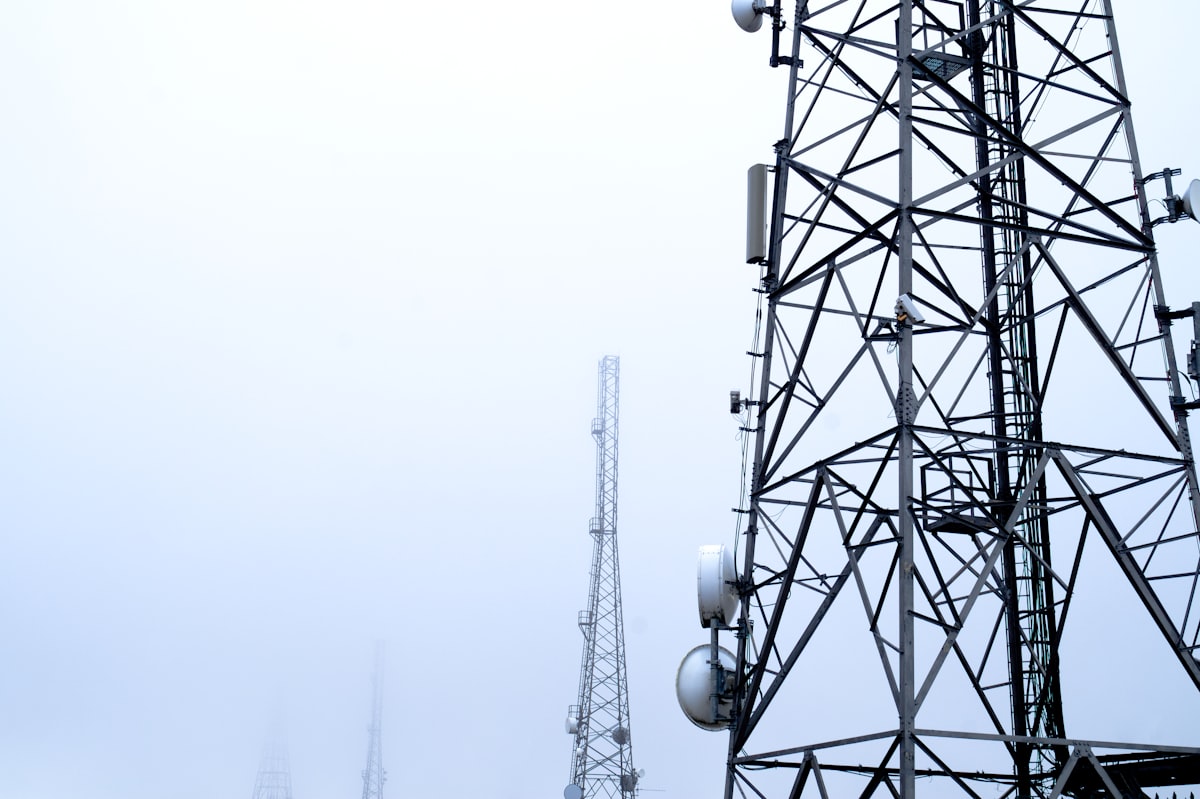
Africa has over 200,000 telecom tower sites. Grid power reaches a minority of them reliably. At most of these sites the battery is cycling daily, sometimes twice, doing the work of a primary energy source in an environment that most battery manufacturers had no part of their product development process aimed at.
The published material on this topic tends to focus on the chemistry comparison: lead-acid versus lithium iron phosphate, with LFP winning on every metric that matters. That comparison is valid and also largely settled. What is not settled, and what accounts for the enormous performance gap between the best and worst LFP deployments across African tower fleets, is everything around the cells: enclosure thermal design, BMS behavior, cell-level incoming quality, system sizing, and energy management configuration. Those are the subjects that actually need discussion.
Telecom infrastructure across Africa operates in environments far removed from laboratory conditions
Temperature
An LFP cell loses capacity over time even sitting on a shelf. This calendar aging is driven primarily by temperature. Degradation models for LFP cathodes generally show calendar loss roughly tripling between 25°C and 45°C. A lot of African tower battery cabinets run well above 40°C internally for months of the year.
Daily temperature swings compound this. In the Sahel, the gap between afternoon peak and pre-dawn can exceed 25°C. Cells expand when hot and contract when cool. The cathode active material is bonded to aluminum current collector foil, and these materials have different thermal expansion coefficients. Over hundreds of repetitions the bond loosens at the interface. Internal resistance rises. Resistance rise shows up in the data before capacity fade does, as increased voltage sag under load, but most remote monitoring platforms only display SoH metrics based on capacity. The resistance signal, which is actually the more useful early warning, goes uncaptured unless someone specifically configures the monitoring system to compute impedance from voltage-drop-at-known-current data, which is available from any BMS that reports cell voltage and current simultaneously but is almost never extracted or displayed.
Thermal extremes across the Sahel region push battery systems far beyond design assumptions
This is worth dwelling on for a moment because it illustrates something about the African tower battery problem more broadly. The data to make better decisions generally exists inside the BMS. It does not make it to the people who make decisions because the monitoring software was specified years ago for a simpler use case, the data pipeline was never updated, and nobody on the operations team has the mandate or the tooling to do fleet-level impedance trending. The gap is not technological. It is organizational and contractual.
The data to make better decisions generally exists inside the BMS. It does not make it to the people who make decisions because the monitoring software was specified years ago for a simpler use case, the data pipeline was never updated, and nobody on the operations team has the mandate or the tooling to do fleet-level impedance trending.
Coastal humidity introduces different failure modes. Salt-laden moisture corroding BMS voltage sensor pins inside connector housings can introduce measurement errors of a couple of millivolts per cell. Across a 16-cell string, that is enough to corrupt balancing decisions. Cells drift apart over months. The capacity loss that results looks normal in the monitoring data and gets attributed to aging. The actual cause is a corroded pin.
Bad-Grid Sites
Off-grid sites have clean energy profiles. Solar charges the battery during the day. Battery discharges at night. Diesel covers gaps. The BMS sees orderly cycles.
Bad-grid sites wreck that orderliness. Utility power shows up for three hours, vanishes for eight, comes back for ninety minutes, disappears again. The battery SoC trace over a day looks like a seismograph. Partial charge/discharge events at random depths create problems for SoC estimation algorithms, particularly Coulomb-counting methods that need periodic open-circuit-voltage recalibration. The recalibration requires the battery to sit at rest long enough for voltage to stabilize. At a bad-grid site, that rest period may not occur for days. SoC estimation drift leads to balancing errors, which lead to cell divergence.
Many towercos tag these sites as “grid-connected” and give them smaller battery banks than off-grid sites. The logic is that grid energy supplements the battery. In reality the grid supplements unreliably while imposing a chaotic cycling pattern that accelerates degradation.
This part of the supply chain is opaque and it matters a lot.
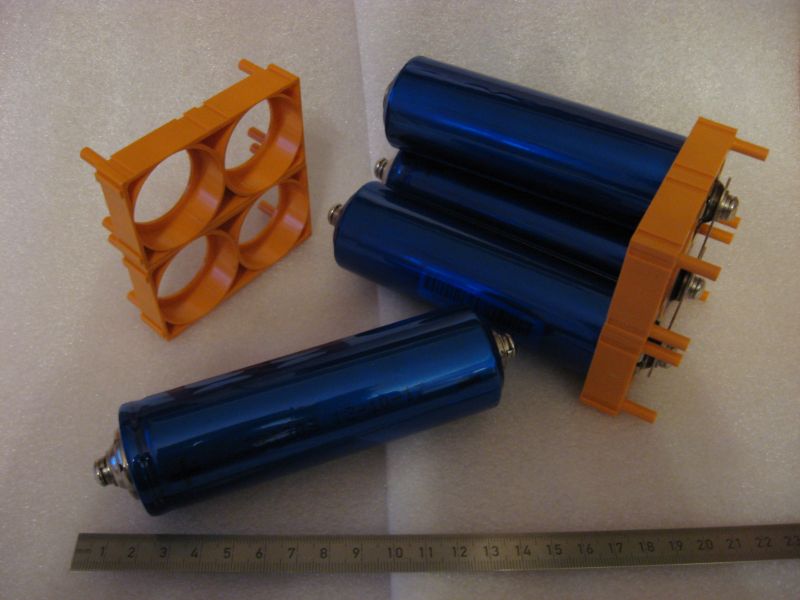
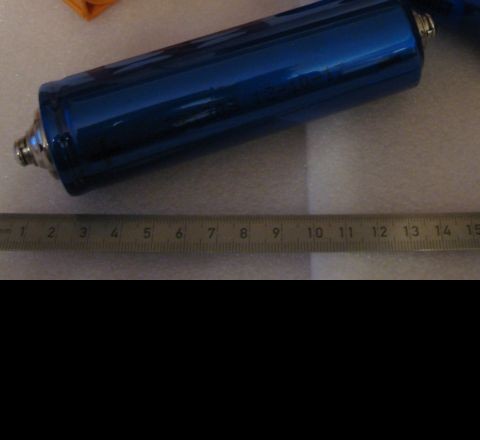
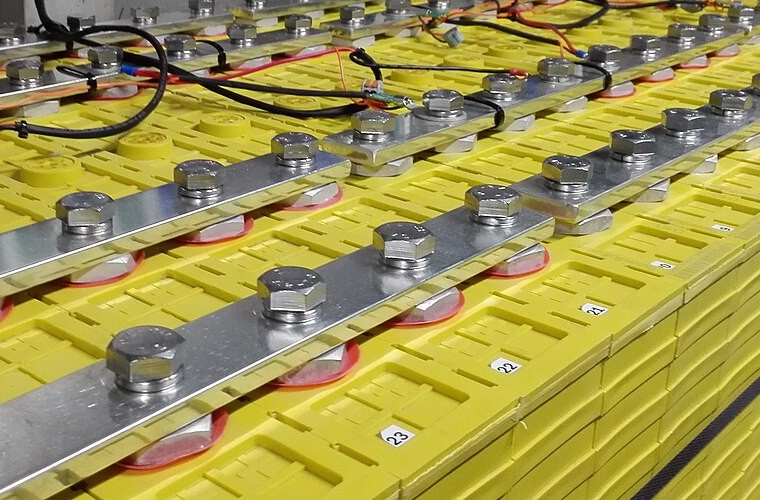
LFP cell production generates variance. Cells from the same batch differ in initial capacity, internal resistance, and self-discharge rate. Manufacturers sort them. A-grade, the tightest-matched cells, go to EV and premium storage customers. B-grade goes to price-sensitive markets. African telecom buys B-grade.
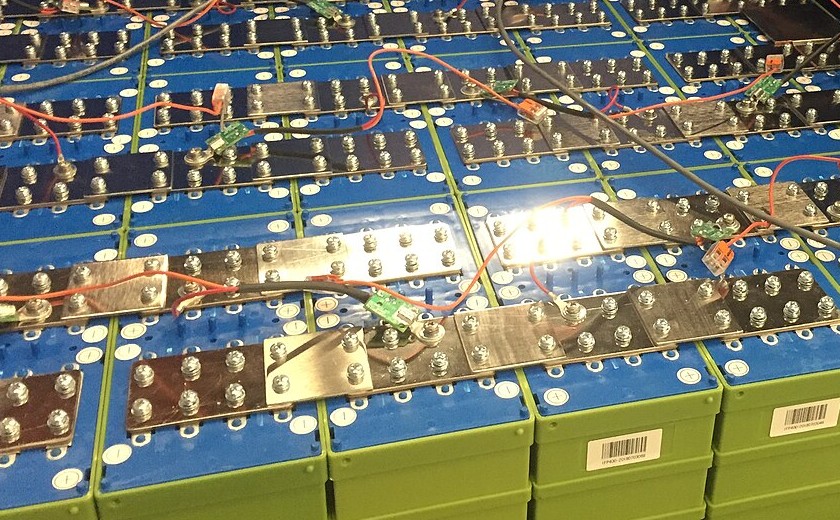
B-grade cells are within spec. The issue is what happens when cells with 10 or 12 mΩ of resistance spread get assembled into a series string. The high-resistance cell hits its voltage limits first on both charge and discharge. On discharge, it triggers the BMS cutoff while the other cells still have energy. On charge, the other cells reach full voltage and sit there waiting while the weak cell catches up. That waiting time at elevated voltage accelerates cathode degradation through iron dissolution from the LFP lattice and migration to the anode, where dissolved iron plates onto graphite and permanently traps cyclable lithium. Over hundreds of cycles the weak cell drags the pack down.
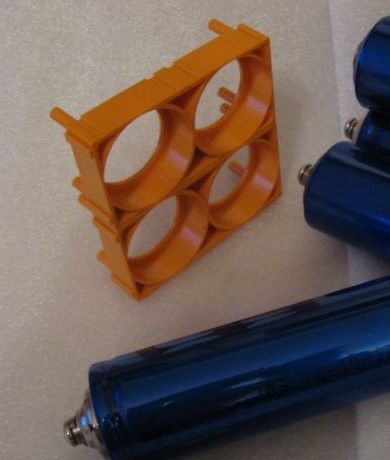
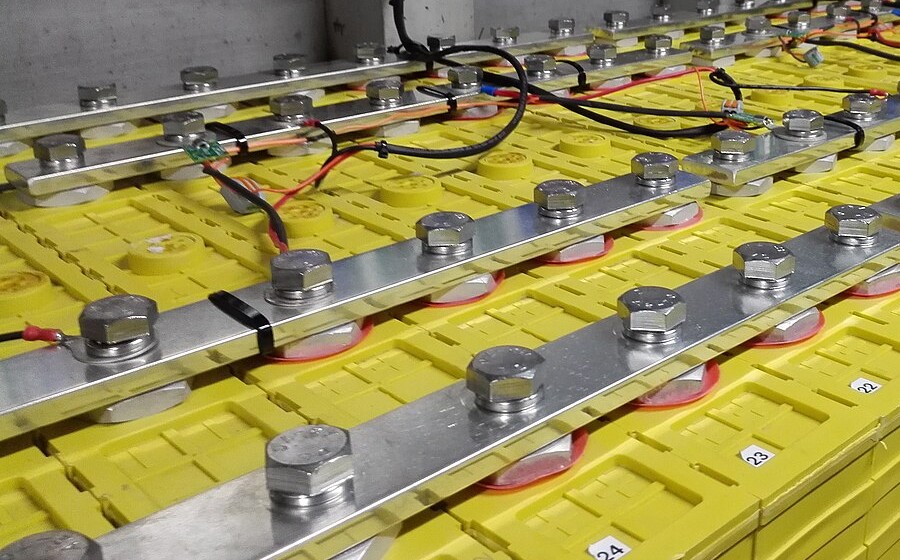
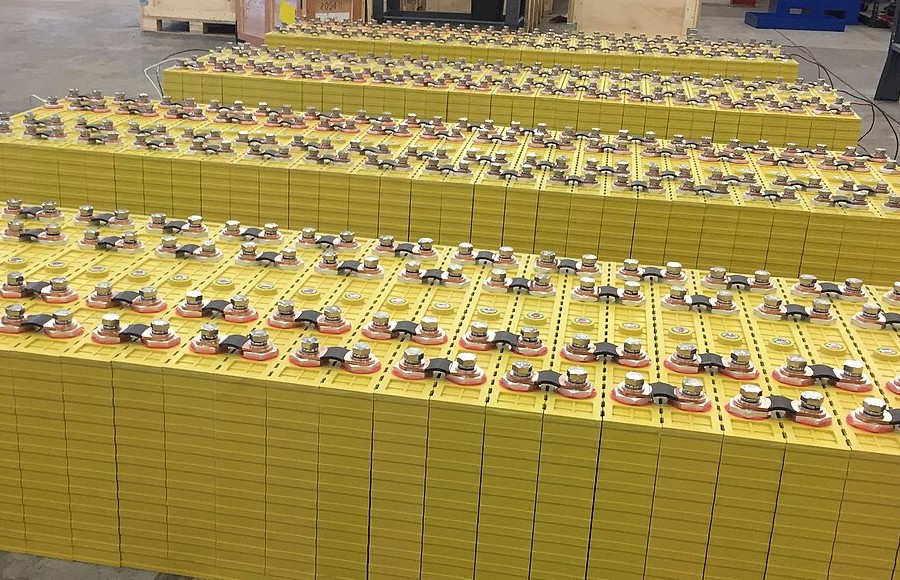
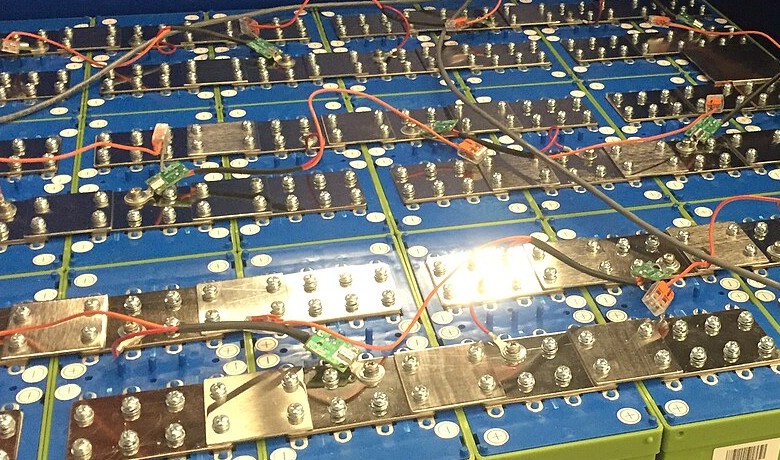
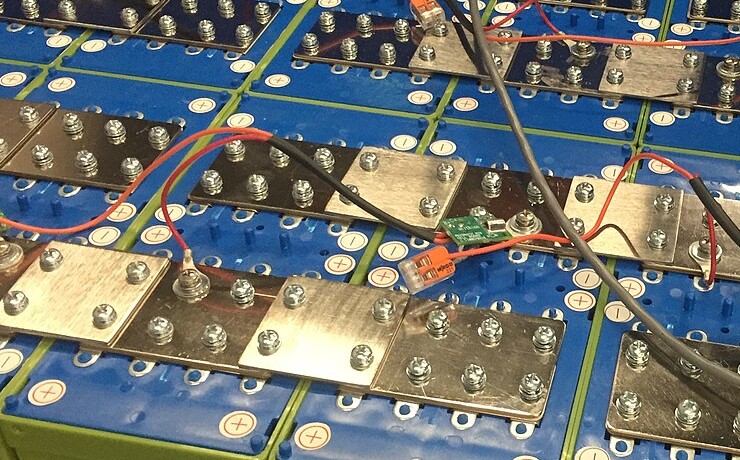
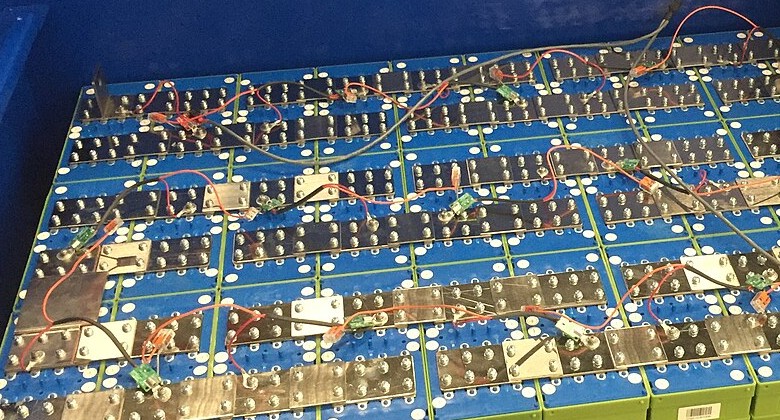
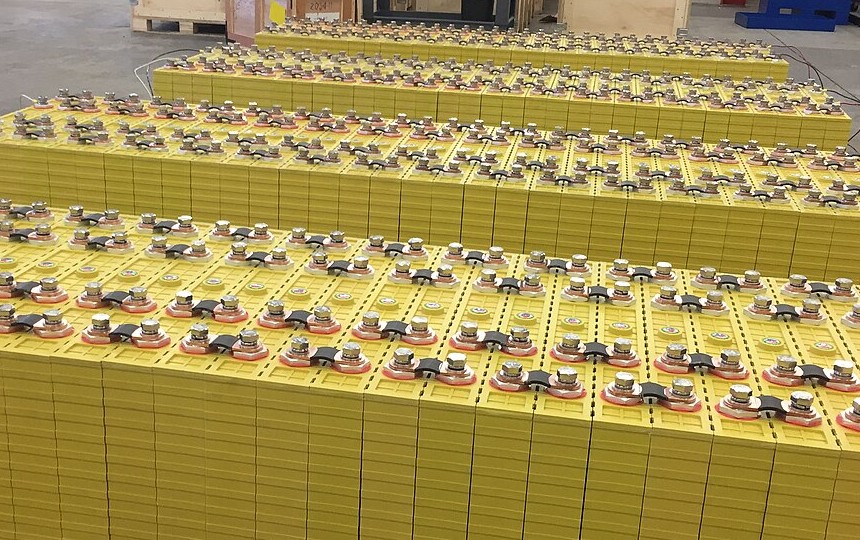
Cell-level variance in manufacturing determines long-term pack performance
Specifying a maximum resistance spread per module in the purchase order, something under 5 mΩ, and requiring cell-level test data as a deliverable, filters out the worst-sorted inventory. Most tenders do not include this specification.
Pre-assembly storage conditions also matter. Cells warehoused at 35°C for months before pack assembly arrive with calendar age already consumed. There is no practical way to verify storage temperature after the fact, but requiring manufacturing date documentation and rejecting modules built from cells older than six months is a rough quality gate.
Lead-Acid
At well-sheltered urban sites with reliable grid, where the battery cycles a few times a year, VRLA still makes economic sense. Purchase cost is low. Supply chains are everywhere. Technicians know the product.
At off-grid and bad-grid sites VRLA falls apart fast. A bank rated for 1,200 cycles at 25°C delivers maybe 400-500 in the thermal environment common at African sites. Replacements cost a fortune at remote towers because the banks weigh over 1,500 kg, roads may be seasonal, and transport logistics in remote areas can cost as much as the batteries. Theft is a structural cost because lead has established scrap value across the continent.
The Peukert effect is a separate problem that procurement teams consistently miss. VRLA capacity ratings assume discharge at C/10 or C/20. Tower loads with 4G and 5G equipment pull C/3 or C/4. At those rates the electrolyte cannot diffuse fast enough through the plate pore structure to sustain the reaction at full depth. Deliverable capacity drops to maybe 72-73% of nameplate. Banks sized on nameplate Ah are undersized from day one. The shortfall only surfaces during a long outage.
Where LFP Deployments Actually Fail
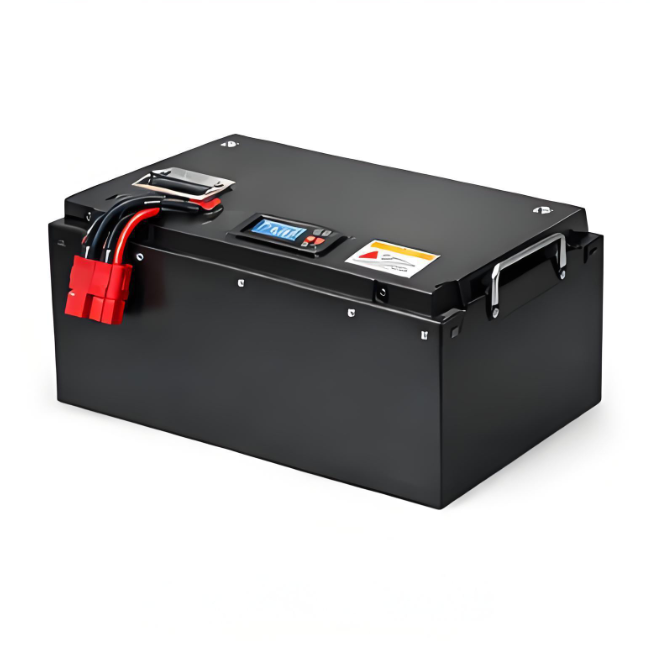
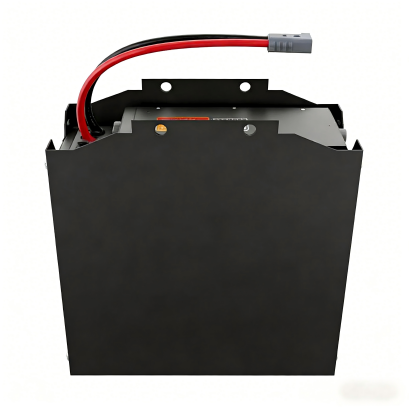
The enclosure does more damage than any difference between LFP cell suppliers. An un-insulated steel cabinet in direct sun reaches interior temperatures above 55°C across much of sub-Saharan Africa during hot months. LFP degradation at 55°C runs roughly 2.5 to 3 times the rate at 30°C. A properly designed outdoor enclosure needs insulated walls, a reflective exterior finish, and a convection path with bottom intake and top exhaust. If fans are added, pulling rather than pushing creates negative pressure that limits dust entry to filtered intake points. In dusty environments, particulate settling on cell surfaces traps heat and creates a thermal feedback loop.
Enclosure specification is usually a line item inside the battery supply contract, controlled by the cell supplier. Cell suppliers are battery companies, not thermal engineering companies. The enclosure gets designed to a price point, not a thermal performance target. Separating enclosure specification from cell procurement and writing maximum permissible internal temperature rise into the tender would improve outcomes, but it requires the procurement team to treat the enclosure as a separate engineered system rather than as packaging.
Cell suppliers are battery companies, not thermal engineering companies. The enclosure gets designed to a price point, not a thermal performance target.
BMS temperature sensor placement is an issue that almost nobody in procurement pays attention to, which is unfortunate because its effects compound over thousands of cycles. Many telecom LFP modules mount the temperature sensor on the BMS circuit board. In hot outdoor cabinets, the PCB and cell surface can differ by 8-13°C because cell mass has thermal inertia that the board does not share. The BMS reads 39°C while the cell is 50°C. Charge parameters get set for 39°C. Chronic mild overcharge at elevated actual cell temperature accelerates the iron dissolution degradation path. Whether the sensor is bonded to the cell body or soldered to the PCB belongs in every tender. Nobody puts it there.
BMS adaptive charge management is the third piece. LFP cells’ optimal charge voltage shifts as they age because internal resistance changes. Fixed-parameter firmware drifts away from the optimum over time. BMS designs that track impedance and adjust charge targets accordingly get more useful life from the same cells. The capability exists from multiple suppliers. It costs more per module. Modules without it tend to win on price.
These three factors interact multiplicatively, not additively. A module with cell-bonded temperature sensing, adaptive charging, and a well-designed enclosure outperforms one without those features by a margin that dwarfs the price difference between them.
Enclosure design, not cell chemistry, is often the deciding factor in deployment success or failure
Sizing
The standard approach is autonomy-based: load times hours divided by voltage equals Ah. For daily-cycling sites, this misses the most important variable.
LFP cycle life as a function of DoD is nonlinear and steep above about 70%. The cost-optimal oversizing factor for daily-cycling sites works out to about 1.6-1.8x the minimum capacity needed. This keeps average DoD around 55-65%, where the degradation curve is flattest. Additional capacity below 50% average DoD buys diminishing returns.
Most towercos deploy a standardized configuration across sites with very different cycling profiles. Some sites end up oversized, wasting capital. Others end up undersized and burn through batteries. Site-level sizing using actual load and grid data would help, but the procurement process does not fund the engineering work.
Solar Degradation
Solar hybrid reduces battery cycling depth. Over time, panels degrade and the battery compensates by cycling deeper.
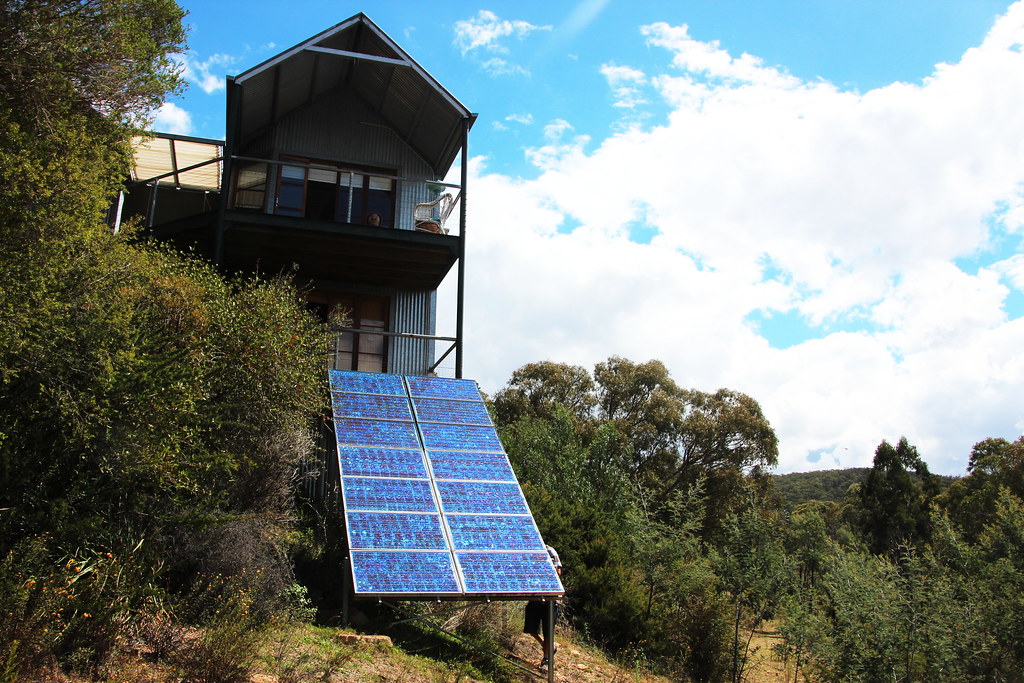
Panel degradation in African conditions runs above the 0.5%/year global average. UV, thermal cycling, dust abrasion, micro-cracking from thermal shock all contribute. After five years the array may be down 4-6%. A system designed for 57% battery DoD in year one could be running at 66% by year five, moving from the flat part of the LFP degradation curve toward the steeper section. Oversizing the array at installation by a few panels to build in a degradation margin is cheap compared to early battery replacement.
Panel degradation above global averages shifts cycling burden back onto the battery over time
Diesel Dispatch Thresholds
When VRLA gets swapped for LFP, the hybrid controller’s diesel start threshold needs updating. VRLA requires a conservative threshold, 35-40% SoC, because deep discharge causes sulfation damage. LFP handles 15-20% SoC without penalty. If the threshold is not reprogrammed, the generator starts hours before the battery actually needs help. The battery upgrade realizes its full economic value only when the control system is reconfigured. This gets missed because the battery upgrade and the energy management configuration tend to be handled by different teams or contractors.
Lightning
The Congo Basin and Lake Victoria region are among the highest lightning density zones on earth. Nearby ground strikes induce transients through the earthing system onto the DC bus. The cells usually survive. The BMS often takes damage that does not cause an obvious failure but corrupts one voltage sensing channel. The balancing algorithm trusts the bad data and systematically mismanages the affected cell. Months later the module fails. The warranty claim says “cell defect.” DC surge protection, dedicated battery earthing, and galvanic isolation on the BMS communication bus would prevent this. Application across African fleets is inconsistent.
The Congo Basin and Lake Victoria region see some of the highest lightning density on earth
Warranties
Most LFP warranties require continuous BMS data logs as a condition of coverage. At remote sites with intermittent monitoring backhaul, maintaining gap-free logs over years is difficult. Short data gaps give suppliers grounds to contest claims. Even successful claims take months to resolve through the return-assess-replace cycle.
What provides actual protection is whether the supplier has swap stock in Africa. A depot in Nairobi or Lagos that can ship a replacement within a week matters more than the warranty document.
Sodium-Ion
This chemistry warrants sustained attention from African tower operators because of how its specific characteristics align with the specific challenges of this market.
Sodium-ion uses no lithium, no cobalt, no nickel. Raw materials are sodium (from salt, available everywhere) and iron-based cathode compounds with no supply chain bottleneck. Manufacturing uses production equipment similar to lithium-ion, so existing factories can convert.
What makes sodium-ion specifically interesting for African towers, rather than just generically interesting as a cheaper battery chemistry, is the thermal behavior. Early commercial cells from CATL and HiNa show a capacity retention curve at elevated temperatures that appears flatter than LFP between 40°C and 55°C. Long-term field data at scale is still thin, and it would be premature to draw firm conclusions, but if the pattern holds then sodium-ion could be the better chemistry specifically for the hottest sites, which are the ones where batteries fail fastest and replacement logistics cost the most.
Sodium-ion chemistry aligns with the specific thermal and supply-chain challenges of African markets
Cycle life for current-generation cells clusters around 3,000-4,000 at 80% DoD, below LFP. Energy density is about 70-80% of LFP volumetrically, which is fine for tower applications where the battery sits in a ground-level cabinet. Cost projections at manufacturing scale suggest a meaningful advantage over LFP, but projections are projections.
The practical step now is to establish pilot deployments so that if the technology matures as expected, there is already operational data rather than a standing start.
LTO
LTO handles extreme temperatures above 55°C and punishing cycling better than any other commercial lithium chemistry. Over 10,000 cycles at 80% DoD. The cost per kWh is high enough that the lifecycle math only works at the most extreme sites, the ones with the worst heat, the hardest cycling, and the most expensive logistics for replacement. At those sites, where LFP might last under three years and truck-roll cost is very high, LTO can deliver the lowest 10-year cost despite two or three times the upfront price. Fleet-wide tenders structured on unit cost per kWh will never select LTO because LTO only wins on a per-site lifecycle calculation, which requires modeling that the standard tender process does not do.
Second-Life EV Batteries
Retired EV packs at 70-80% of original capacity, available at significant discount versus new cells. The essential requirement is that BMS firmware must be completely rewritten for stationary cycling. Automotive firmware manages cells for high-power transient loads, regenerative braking, and vehicle thermal loops. Tower batteries need slow deep cycling. Running second-life packs on automotive firmware accelerates their remaining degradation. The supply chain for properly re-commissioned packs is immature.
Vanadium Redox Flow
Unlimited cycle life, good thermal tolerance, scalable capacity. Current systems are too large and complex for individual tower sites. Tower-scale modular designs are years away.
Procurement Process
The gap between the best and worst LFP deployments in Africa comes almost entirely from system-level factors that most procurement processes do not evaluate: enclosure thermal performance, BMS sensor placement, BMS adaptive capability, cell-level resistance spread documentation, sizing based on cycling depth, solar degradation margins, diesel dispatch recalibration, lightning protection, and supplier logistics presence in Africa. Tenders that specify and score these factors would produce better fleet outcomes with the same technology that is available today.