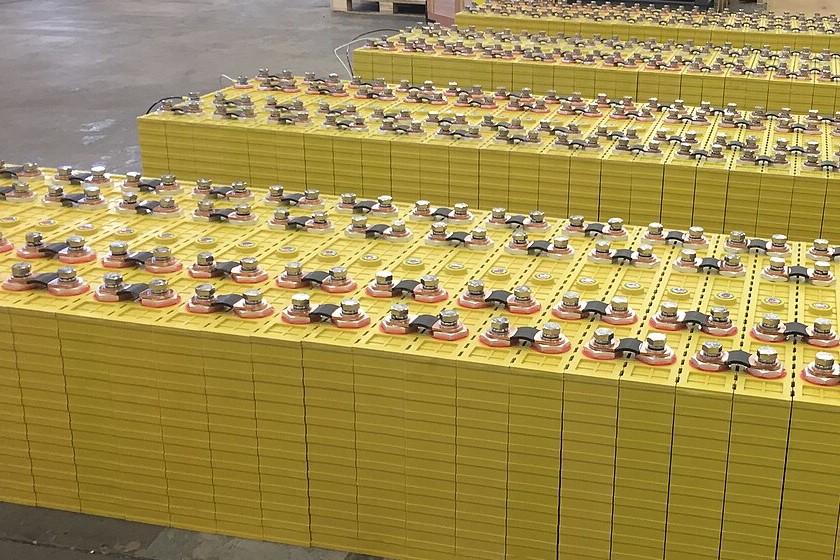
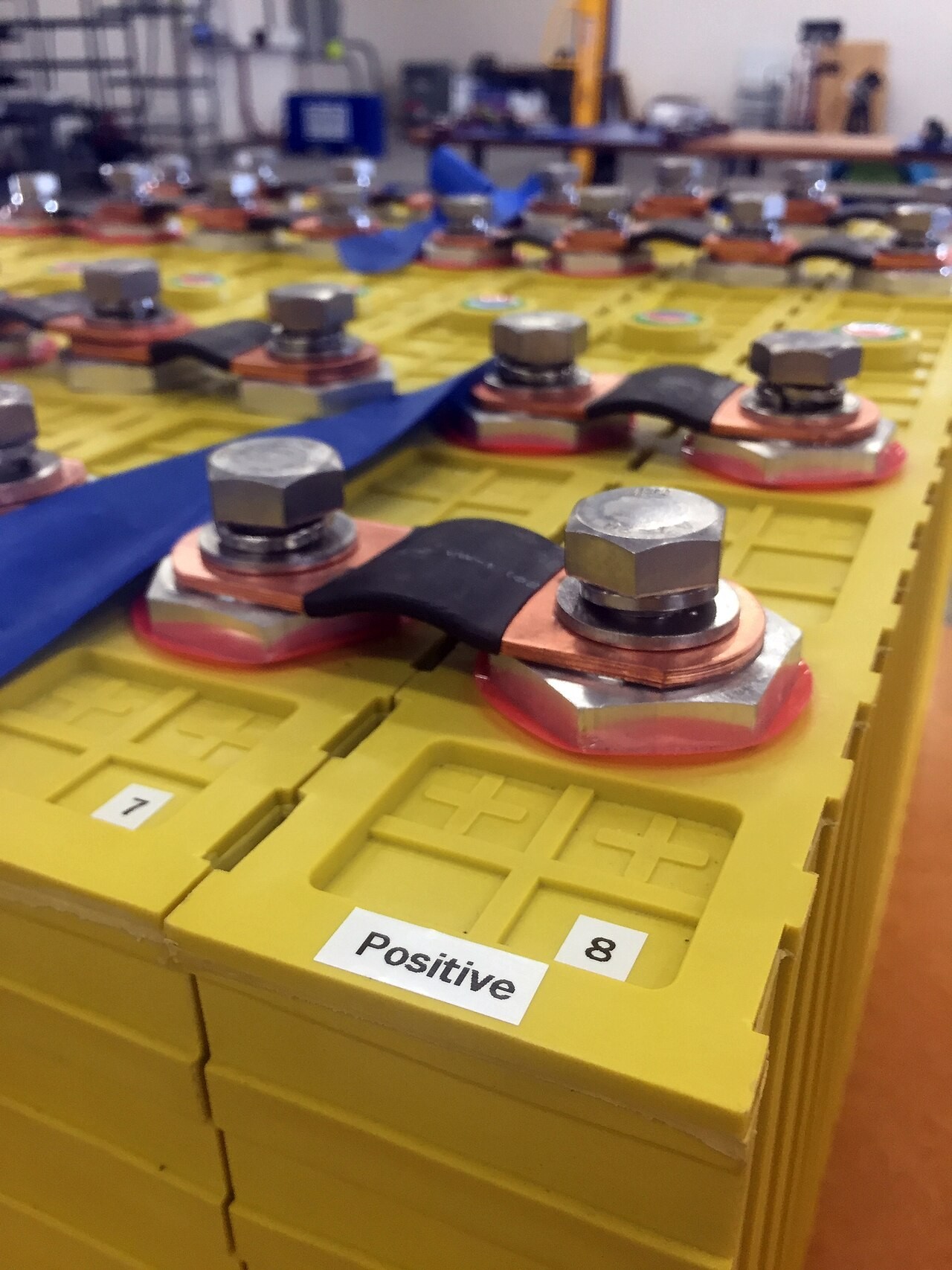
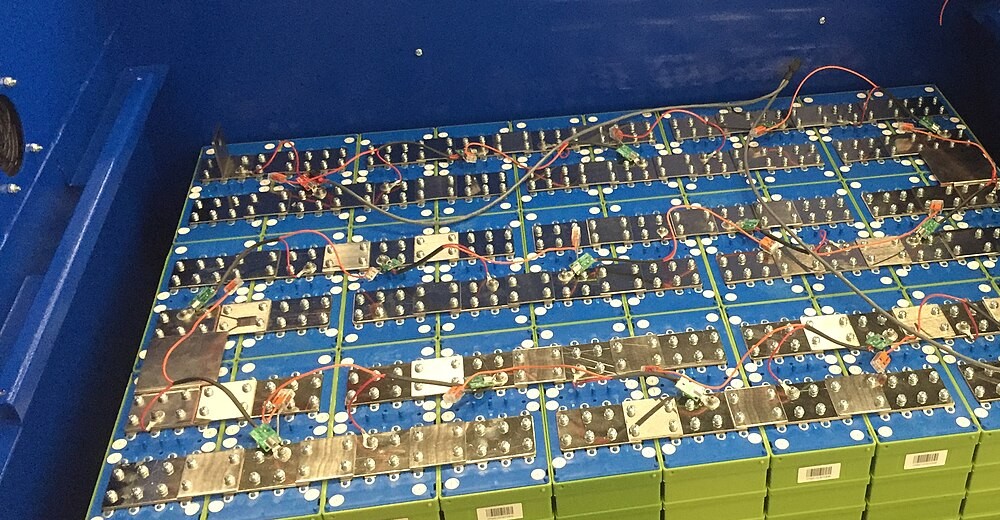
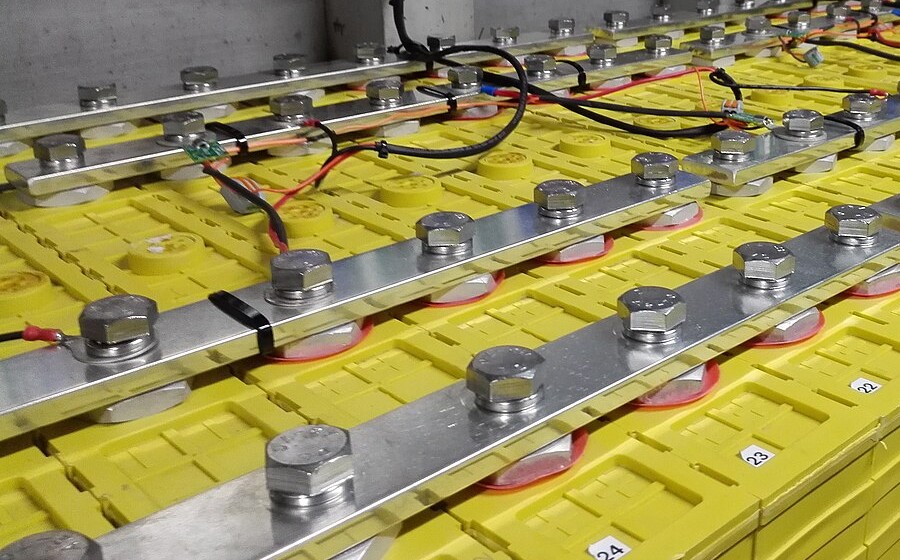
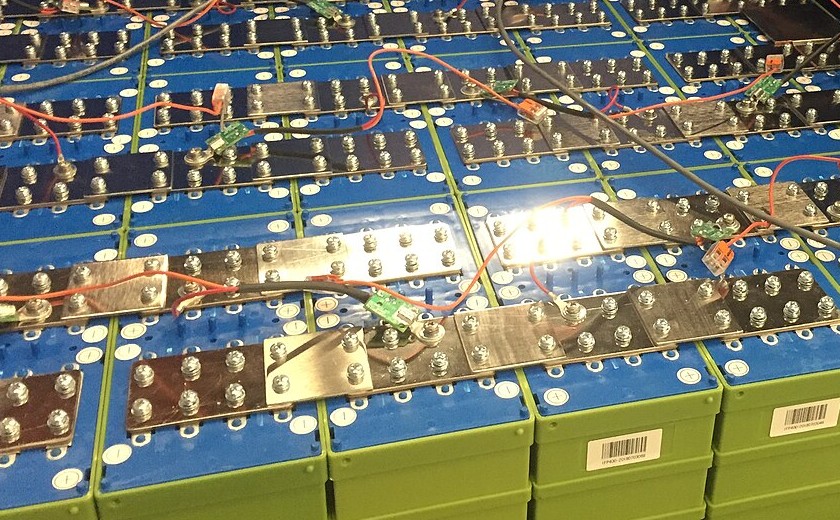
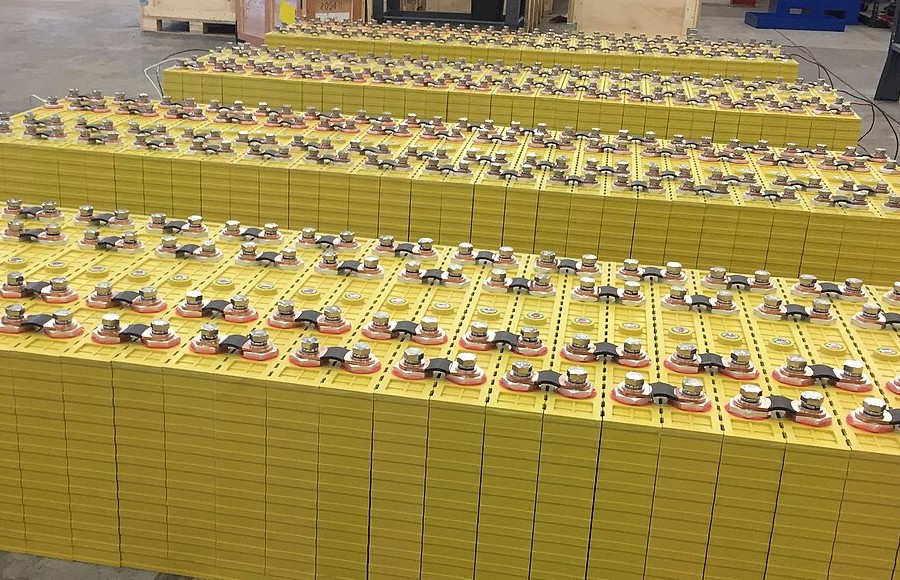
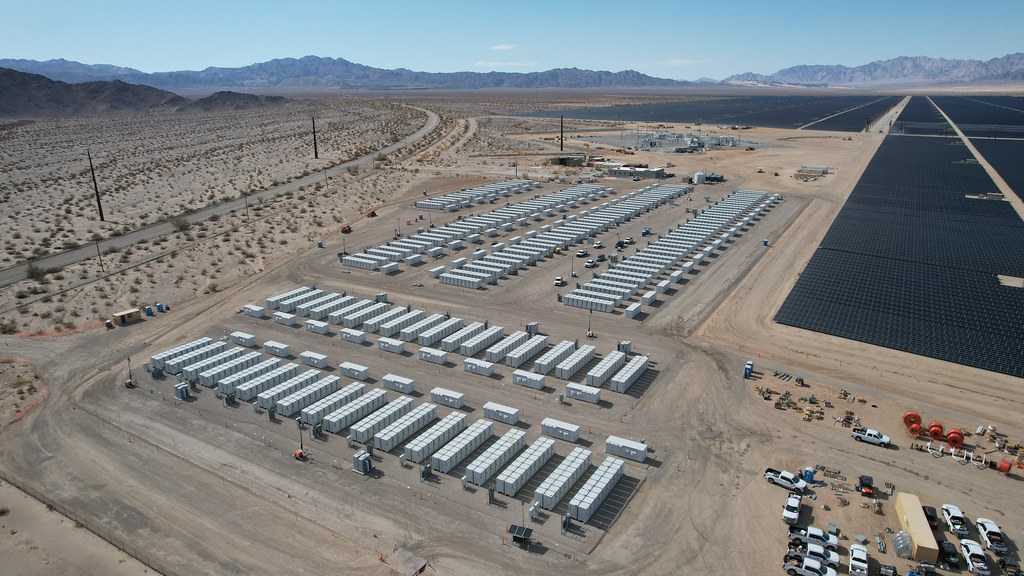
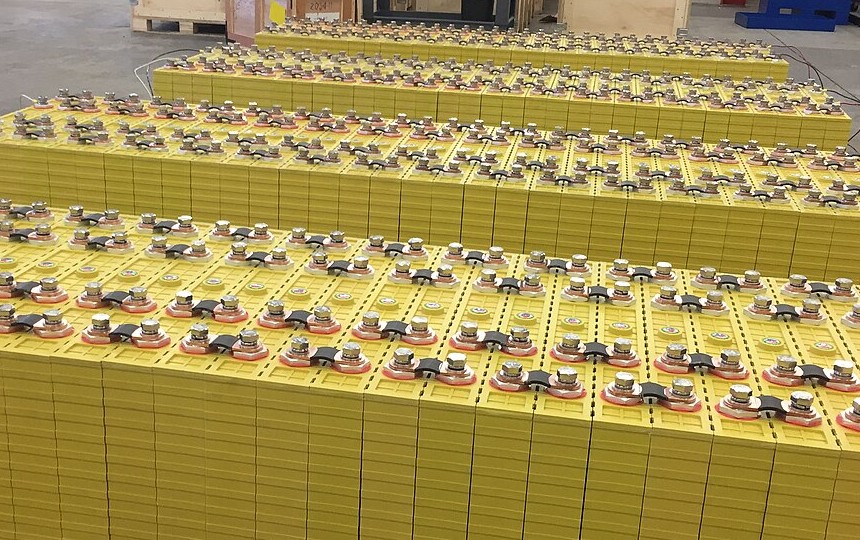
The Middle East is procuring battery energy storage systems in GWh-scale units, and the procurement pace is accelerating. The storage tender pipelines in Saudi Arabia, the UAE, and Oman have expanded several times over in the past three years.
Understanding why this is happening, where the money comes from, what the technical bottlenecks are, and whether it can ultimately succeed requires cutting through several layers of surface narrative.
Saudi summer air conditioning load can push electricity demand to more than three times winter levels. To handle this peak, Saudi Arabia maintains a large fleet of peaking power plants that only run at full capacity during the hottest months, sitting largely idle the rest of the year, with capacity factors potentially below 15%. Battery energy storage can shave peaks and fill valleys, deferring or even canceling peaking plant construction plans. This layer of economic logic is straightforward.
What is not straightforward is the gas price.
Gulf states have kept domestic natural gas prices under administrative controls for a long time. Saudi domestic industrial gas pricing is around 1.25 USD/MMBtu, while Asian LNG spot prices during the same period can reach ten times that figure. Calculated against the domestic regulated gas price, the economics of storage replacing gas peaking simply do not hold, because the fuel being replaced is "too cheap."
The key is opportunity cost. Every cubic meter of natural gas burned for power generation is a cubic meter that cannot be exported as LNG at international prices. Saudi and UAE power planners are evaluating storage using shadow prices, benchmarked against Asian LNG delivered prices. This explains an apparent contradiction: domestic electricity prices look too low for storage to be competitive, yet Gulf states are procuring storage at massive scale. The contradiction does not exist, because the price used for decision-making and the publicly visible regulated price are two different systems.
The UAE has an additional detail: it is a net importer of natural gas, importing through a subsea pipeline from Qatar. Domestic production is insufficient to simultaneously serve power generation, industrial use, and export. The combination of storage and solar is releasing gas molecules from low-value-added power generation into higher-value uses.
Oman's situation differs from Saudi Arabia and the UAE. Oman's sovereign wealth fund is thinner, and its tolerance for inefficient power sector capital expenditure is lower. The storage facilities supporting the Duqm Industrial Zone exist for a straightforward reason: without storage, the industrial zone's power cost structure does not hold up.
This section deals with market structure, and the differences from Western markets are large enough to require a different analytical framework.
In the US and Australia, storage projects can stack value across energy markets, ancillary services markets, and capacity markets. The Middle East has virtually no competitive wholesale electricity markets. Saudi Arabia's SEC, the UAE's EWEC, and Oman's OPWP are all single buyers. Storage project revenues depend entirely on the terms of power purchase agreements or capacity payment contracts. Frequency regulation, peak shaving, reserve capacity, black start capability, services that can be separately priced in mature electricity markets, are all priced and procured by the same single buyer in the Middle East.
This pushes the storage project economic model toward avoided cost logic: proving that deploying storage is cheaper than building a new gas turbine. The avoided cost baseline is the full lifecycle cost of a gas turbine, and how that baseline is calculated, what discount rate is used, what fuel price curve is assumed, is all defined by the buyer in the tender documents. The buyer is simultaneously the rule-maker and the only customer. Developer profit margins depend on depth of understanding of tender rules and the ability to anticipate buyer decision-making logic.
There is also a layer of implicit price coupling. The opportunity cost of natural gas in the region fluctuates with global LNG supply and demand. When LNG demand rises, storage's avoided cost advantage passively expands; when it falls, storage competitiveness is compressed. The link between Middle Eastern storage investment rhythm and the global LNG market is tighter than most people assume.
This topic needs to be expanded because its impact on project economics is widely underestimated, and the engineering details involved rarely appear in macro-level analysis pieces.
LFP battery calendar aging accelerates under high temperatures. The cycle life data manufacturers provide is typically based on 25°C standard test conditions. The Middle East has many days when outdoor temperatures exceed 50°C. LFP systems operating long-term under these conditions see meaningful reductions in effective cycle life, with significant impact on replacement costs over a project's 20-year lifespan. How much the reduction is varies considerably across suppliers, depending on specific cell chemistry formulations, packaging processes, and thermal management solutions. Estimates circulating in the industry span a wide range, from the low teens in percentage terms to the low thirties, and each project needs to be assessed against actual operating data. There are not yet many large-scale BESS projects in the Middle East with long enough operating histories to provide robust reference data.
The energy consumption of the thermal management system itself eats into the storage system's effective capacity. Maintaining battery compartment temperatures within acceptable range in a 50°C environment requires liquid cooling and air conditioning systems whose parasitic load is a non-negligible number. A storage station with a nameplate rating of 100MW will have a dispatchable capacity below 100MW on extreme summer days in the Middle East. How much below depends on thermal management design and the day's temperature. This deviation is negligible in temperate climate projects. In the Middle East it is not.
Some Middle Eastern procurers have begun introducing "guaranteed output at 45°C ambient temperature" clauses in tender technical specifications. The appearance of this clause itself conveys information: in early projects, the gap between nameplate capacity and dispatchable capacity during hot weather may have already created some uncomfortable operating experiences.
Thermal management system cost share in Middle Eastern projects is higher than the global average, and this is visible at the bidding stage. Liquid cooling adoption rates in Middle Eastern projects are noticeably higher than air cooling, because air cooling heat dissipation efficiency degrades too fast in 50°C environments. Liquid cooling systems have higher upfront capital costs, and ongoing coolant maintenance and replacement is an additional continuing expense. Some integrators who win on low cost through air cooling solutions in temperate markets lose that advantage in the Middle East, because the reliability and efficiency of air cooling under high temperatures cannot meet requirements.
This creates an experience barrier. Companies that have operated large-scale storage projects in Rajasthan in India, the Australian interior, or North Africa have high-temperature operating records they can present when bidding in the Middle East. Integrators who have only operated in temperate markets can only submit laboratory data and simulation results. Project financiers assess the credibility of these two types of data very differently.
Insurance is another variable. Global BESS property insurance has already risen due to multiple thermal runaway incidents. In the Middle East, insurers price more conservatively. Higher deductibles, stricter fire suppression system standards. The insurance premium gap between a large Middle Eastern BESS project and an equivalent European project is large enough to affect project financing structure. Most publicly available LCOE calculation models either compress insurance costs or leave them out entirely. This omission matters more in Middle Eastern projects than in temperate ones.
Long-duration storage needs separate discussion. The Middle East has abundant abandoned underground salt caverns and depleted oil and gas reservoirs, and its dry climate reduces air moisture content impacts on compressed air energy storage efficiency. The techno-economic fit for CAES in the Middle East is very high, determined jointly by geological and climatic conditions. Flow batteries may perform better than LFP under high temperatures, because the electrolyte has high thermal mass and low sensitivity to ambient temperature changes. This point is gaining weight in technology pathway evaluations.
The green hydrogen investments under the NEOM framework create some infrastructure synergy possibilities for hydrogen-based storage. Round-trip efficiency at around 35% to 40% determines hydrogen storage's role in the Middle East: a candidate for seasonal storage, not suitable for intra-day dispatch. Lithium batteries and hydrogen storage address problems on timescales that differ by two orders of magnitude. Placing them in the same "storage" category invites confusion.
A storage station with a nameplate rating of 100MW will have a dispatchable capacity below 100MW on extreme summer days in the Middle East. How much below depends on thermal management design and the day's temperature. This deviation is negligible in temperate climate projects. In the Middle East it is not.
The traditional Middle Eastern grid dispatch model is simple enough to summarize in one paragraph: baseload on large combined-cycle gas turbines, peaking on open-cycle gas turbines or diesel generators, system frequency maintained by the mechanical inertia of rotating generator sets. It ran for decades.
After large-scale solar and storage connect to the grid, several foundational assumptions of this system get removed. They need to be addressed one by one.
The inertia problem is the most fundamental. Batteries and solar both connect through inverters and do not provide physical rotational inertia. When inverter-based resource penetration exceeds a certain threshold, grid frequency stability can no longer be backstopped by the rotating mass of synchronous generators. It needs to rely on virtual inertia control and fast frequency response. This is not a theoretical exercise. Southern Australia, the island of Ireland, and Great Britain have all encountered frequency stability events under high IBR penetration and have accumulated operating experience and countermeasures.
Middle Eastern grid operators have near-zero operating experience in this area. SEC is developing grid codes suitable for high IBR penetration. The impact of this work on whether the entire storage investment wave can actually be deployed is severely underestimated. Grid codes define the technical conditions that grid-connected equipment must meet. If the codes define inverter fault ride-through capability, frequency response speed, or harmonic injection limits inaccurately, or copy standards wholesale from a country with entirely different climate and load characteristics, the consequences will surface gradually after project commissioning.
Saudi and UAE grid operating institutions rely heavily on expatriate consultants when drafting these codes. Most of these consultants come from European and Australian backgrounds. The experience they bring has been validated in their own markets. Transferring it to the Middle East involves adaptation issues. Nordic grids do not have the steep demand ramp that air conditioning load creates at 2 PM under 50°C heat. They do not have the concentrated solar output surplus that forms around midday in the Middle East. Parameter settings in power system dynamic simulation models, load forecast curve shapes, unit ramp rate constraints, all need to be recalibrated for different climate and load structures. Directly applying temperate grid simulation parameters creates deviation between model output and the physical behavior of the grid.
There is no shortcut around this problem. It can only be solved by accumulating operating data under Middle Eastern grid conditions, progressively correcting simulation models, and simultaneously cultivating local engineers who understand the relationship between models and the physical grid. Engineers with power system dynamic simulation capability are scarce human resources globally. In the Middle East, more so. The speed at which this talent gap is filled directly constitutes the speed limit on storage grid integration. A hundred GWh of batteries can be delivered to site within two years. If the grid code is not yet finished, if the simulation team is still dependent on external consultants billing by the hour, the batteries wait.
Bidirectional power flow is the second problem. Middle Eastern grids have historically been unidirectional, flowing from large power plants to load centers. Protection relay settings, voltage regulation, and fault current calculations in the distribution network are all based on the unidirectional flow assumption. Distributed solar and storage create reverse power flow. Distribution systems built in the 1980s and 1990s need to be redesigned from the protection philosophy level up. This work is dispersed across thousands of distribution nodes, has no clear start and completion dates, and is very difficult to manage and track as a single "project." It is more like a continuous systemic retrofit, with pace depending on distribution company technical capability and capital expenditure willingness.
Cybersecurity sensitivity in the Middle East extends far beyond the technical domain. BMS, EMS, and SCADA interfaces in storage systems are all potential attack surfaces. Gulf states are tightening requirements on BMS supplier nationality, data localization, and source code review in storage project tenders. Chinese storage integrators and Western control system suppliers will both be affected. Companies willing to establish local R&D and data centers in the Middle East will gain access advantages.
Above these three technical challenges sits an institutional layer. Most Middle Eastern countries do not have an independent system operator (ISO). Grid dispatch, transmission asset operation, and market rule-making are handled by the same institution. When the grid needs to shift from a "large unit dispatch" model to a model requiring aggregated management of distributed storage resources, functional conflicts and priority-setting within the same institution become a bottleneck. Saudi Arabia's establishment of National Grid SA is a step toward functional separation. The pace at which this institutional design evolves has a direct impact on storage asset utilization rates.
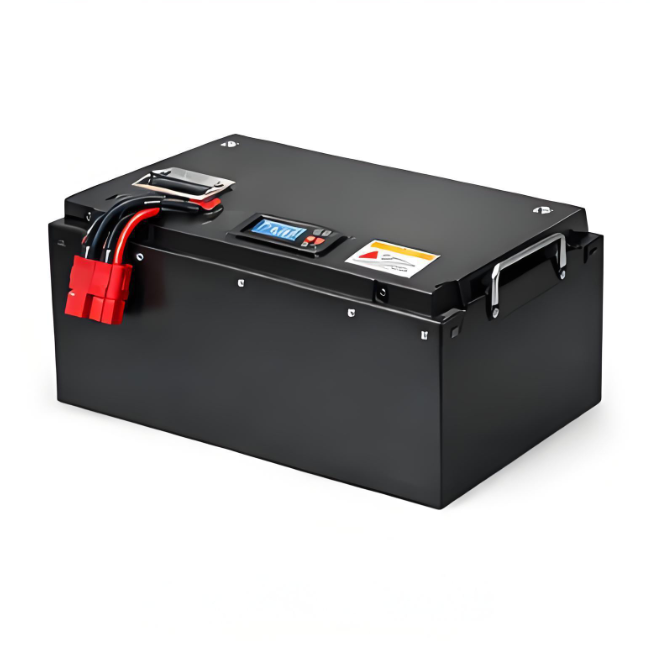
A hundred GWh of batteries can be delivered to site within two years. If the grid code is not yet finished, if the simulation team is still dependent on external consultants billing by the hour, the batteries wait.
Early Middle Eastern storage projects were mostly directly invested by sovereign wealth funds or state-owned power companies. As the project pipeline expanded, the IPP model was introduced into storage, creating the ISPP (Independent Storage Power Producer) category.
Regional energy majors like ACWA Power, Masdar, and TAQA have become the main BESS project developers. Their competitive advantage in this market comes from relationship density with sovereign entities. Securing a 25-year, USD-denominated capacity payment contract guaranteed by a sovereign entity has an enormous effect on project finance leverage ratios and debt cost reduction.
International storage technology companies without local partner relationship networks can almost never directly win Middle Eastern storage EPC general contracting awards. Technology companies' optimal positioning in this market tends to be as equipment suppliers or technology licensors. Profit distribution happens at the project company (SPV) level, and SPV equity structures are almost invariably dominated by local developers. Some international companies hit walls in the Middle East and blame "market opacity." The market's rules do apply differently to outsiders and local players. This is structural, not a problem that can be solved by increasing information disclosure.
Asian export credit agencies play a key role in the capital chain. Japan's JBIC and NEXI, Korea's K-SURE provide buyer credits and insurance support for storage equipment exported to the Middle East. The credit anchor for the entire chain is Gulf state sovereign ratings.
Green Islamic bonds (green sukuk) are beginning to enter storage financing. Sukuk structures require tangible asset linkage of underlying assets, and storage projects naturally satisfy this requirement.
There is also a trend worth noting. Some Gulf sovereign wealth funds have begun directly investing in upstream storage technology companies and battery materials companies. PIF's attention to battery recycling enterprises, Mubadala's investment positioning in solid-state battery startups, point in the same direction: shifting from "buying batteries" to holding equity in the supply chain. When the same region is simultaneously the world's fastest-growing storage demand market and a strategic investor in the storage supply chain, its influence on industry pricing power increases in a nonlinear manner.
The GCC Interconnection Authority operates high-voltage interconnection lines linking six Gulf states, with chronically low utilization rates. Load curves across countries are highly homogeneous, all driven by summer air conditioning peaks, and cross-border trade complementarity is insufficient.
Storage changes part of this equation. Storing electricity during Saudi midday solar surplus periods and releasing it through interconnection lines during UAE evening peak hours creates temporal arbitrage that can increase the economic value of the interconnection lines. The HVDC interconnection lines under construction between Saudi Arabia, Egypt, and Jordan will connect storage assets to a larger market spanning three time zones.
Institutional obstacles here are harder to deal with than engineering ones. Cross-border electricity trading requires unified dispatch protocols, settlement mechanisms, and imbalance energy handling rules. GCC countries have notable differences in electricity market design. Saudi Arabia is pushing market reform, the UAE maintains the single buyer model, Oman has introduced partial competitive wholesale trading. A cross-border storage dispatch transaction that can be completed within two hours technically may require two years of negotiation at the institutional level before an executable commercial framework is in place.
The complexity of Middle Eastern battery storage investment is unevenly distributed. On the technology layer, battery engineering and thermal management under high-temperature environments have numerous unresolved engineering problems, and relevant operating data is still being accumulated. On the market structure layer, storage project revenues under the single buyer model depend entirely on contract design, and value stacking is not viable. On the grid dispatch layer, the talent gap and grid code maturity constitute hard constraints.
GWh-scale batteries can be procured and installed within 18 months. Grid code revision cycles are measured in years. Cultivating local simulation engineers takes a decade. Cross-border dispatch agreement negotiation timelines depend on the speed at which six countries align political will, and no one can give a reliable estimate. There is an order-of-magnitude time gap between equipment delivery and institutional maturity.
Discussion of Middle Eastern storage that stays at the "how many GWh installed" level covers only the most superficial part of the story. How much value batteries release after arriving on site depends on a series of institutional construction and technical calibration efforts still underway. Each of these efforts taken individually is unglamorous. Together they determine the ultimate return on this wave of investment.
GWh-scale batteries can be procured and installed within 18 months. Grid code revision cycles are measured in years. Cultivating local simulation engineers takes a decade. There is an order-of-magnitude time gap between equipment delivery and institutional maturity.