Can Lithium Battery Exploding Be Prevented?Technology & Safety
Can Lithium Battery Exploding Be Prevented?
Marcus Chen
December 23, 2025
A Samsung Galaxy Note 7 caught fire on a Southwest Airlines flight in October 2016. Flight attendants dumped ice on it. Passengers evacuated through inflatable slides in Louisville. That phone became famous, but nothing about its battery was unusual. Every lithium-ion cell operates near the same edge. Note 7 units just fell off more often than Samsung found acceptable.
Samsung lost $5.3 billion and became a case study in engineering failure. What case studies rarely mention is how thin the margin was between Note 7 and every other phone on the market. Samsung pushed slightly too hard. Other manufacturers push almost as hard. A few microns of material, invisible to consumers and barely understood by regulators, often separates product recalls from successful launches.
Separators
Two reactive materials sit inside every lithium-ion cell, separated by a polymer film thinner than a grocery bag. That film is called the separator. It does one job: keep anodes and cathodes from touching while allowing lithium ions to pass through.
Most battery safety discussions ignore separators entirely. Forums obsess over charging habits. Tech blogs rank temperature management tips. Influencers demonstrate their 80% charging discipline. None of this addresses what determines whether a battery catches fire. Separator integrity determines that. Everything else is noise.
A polymer separator thinner than a grocery bag stands between function and catastrophe
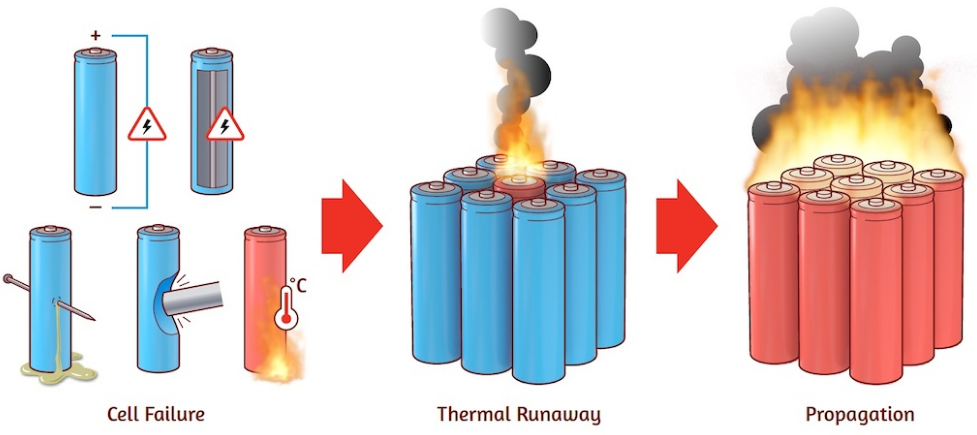
When engineers want more energy density, separators get thinner. When separators get thinner, margin for manufacturing error shrinks. A burr on an electrode edge can puncture them. A microscopic particle trapped during assembly can pierce them. Slight deformation during a drop can compromise them. Once electrodes touch, reactions feed themselves. Temperature climbs. Electrolyte, which is flammable, starts breaking down. Gases build pressure. Cathodes release oxygen. Past the venting stage, stopping the cascade becomes impossible.
Samsung engineers understood separator physics perfectly. Every battery engineer does. Note 7 failed because someone decided acceptable separator thickness was a few microns less than it should have been. Spreadsheets probably looked fine. Yield rates were acceptable. Testing passed. Phones burning on airplanes looked different.
Consumers want thinner devices with bigger batteries. Manufacturers deliver. Separators get squeezed. Quality control catches most defects. Most is not all.
What makes this story uncomfortable is that Samsung was not doing anything unusual. Consumers want thinner devices with bigger batteries. Manufacturers deliver. Separators get squeezed. Quality control catches most defects. Most is not all. Failures stay rare enough that aggregate statistics look acceptable, and individual tragedies get settled quietly.
Why does battery safety discourse focus on charging habits instead of manufacturing quality? Because manufacturers control that conversation. Investors get nervous when separator margins come up. Consumers ask uncomfortable questions. Regulators might start paying attention. Shifting focus to temperature management and charging schedules makes people feel responsible for their own safety while obscuring where responsibility lies.
Industry conferences discuss separator technology in technical sessions that consumers never see. Papers get published about novel separator materials, coating techniques, thermal stability improvements. Engineers understand that separators are the critical failure point. Marketing departments understand that consumers should not think about this too much. Public-facing battery advice focuses on charging habits because charging habits are something consumers can control, and because manufacturing decisions are something consumers cannot influence, cannot evaluate, and ideally should not ask about.
Chargers
Gas station charging cables are garbage.
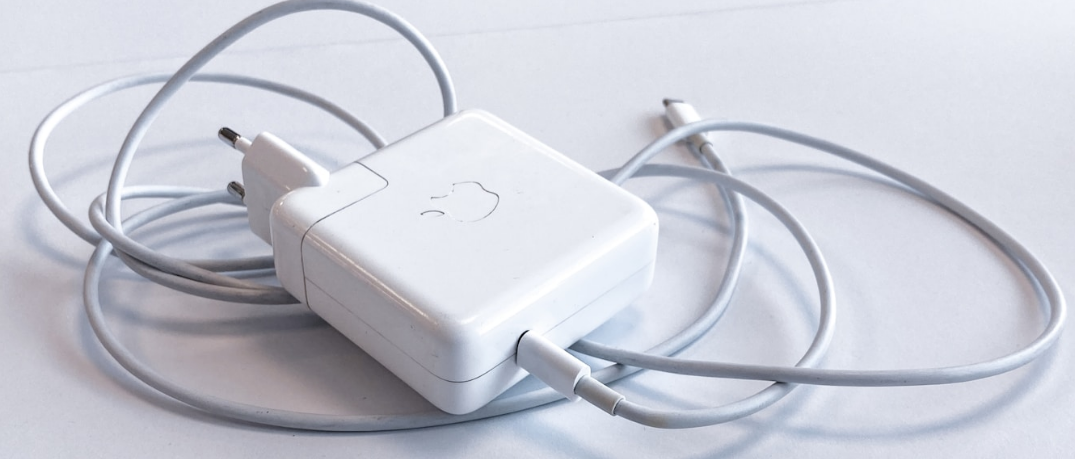
Between a $25 Apple cable and an $8 gas station cable, differences include wire gauge, shielding, strain relief, and overcurrent protection. Cheap cables use thinner copper. Thinner copper generates more resistive heat during current flow. Heat damages batteries. Sometimes heat starts fires.
The difference between a quality cable and a counterfeit is invisible to most consumers
Engineers at a consumer testing organization cut open several gas station cables a few years back and compared them to OEM equipment. Copper strands in cheap cables were visibly thinner. One cable had no strain relief at all. Plastic housing just ended where connector began, leaving junction points to absorb all mechanical stress from bending and pulling. Another cable had certification logos on packaging that referenced no real testing body. Logos looked official. They meant nothing.
The standard argument follows predictable logic: saving $17 finances two cups of coffee, damaged phones cost $900, house fires cost everything, therefore buy authentic cables. Sound argument. Nobody listens.
Nobody listens because cheap cables work fine most of the time. They charge phones. They do not immediately burst into flames. Impressions form that quality differences are marketing fiction, that expensive cables are scams designed to extract money from gullible consumers. Then one day a frayed cable shorts against a metal surface. Or thin wire overheats during fast charging while trapped under a pillow. Or a battery slowly cooking from accumulated heat damage over eighteen months finally fails. Users blame phone manufacturers. Cables go in trash, replaced by new cheap cables from the same gas station.
A functional market would solve this. Clear quality signals. Meaningful certifications. Consequences for fraud. Instead, consumers navigate a marketplace where authentic and counterfeit products are visually identical, certification logos are meaningless, and worst outcomes are rare enough that bad actors face minimal accountability. Gas station cable manufacturers who sell a million units and cause three house fires face no meaningful consequence. Statistical victims have no recourse. Manufacturers have already moved on to next product runs.
No regulatory body polices cable quality effectively. UL and CE markings require testing, but enforcement is spotty and counterfeiting is trivial. Buying from manufacturers or retailers with reputations and assets worth protecting remains the only reliable protection. Annoying advice. Expensive advice. Also correct.
The cable market illustrates a broader problem with consumer electronics safety. Certification exists on paper. Enforcement does not exist in practice. Consumers cannot distinguish certified from counterfeit through visual inspection. Price signals nothing because counterfeiters price strategically. Reviews are gamed. Returns are inconvenient. Most failures do not result in fires, so defective products generate acceptable reviews from satisfied customers who will not discover problems for months or years. Market incentives reward cutting corners and punish quality investment. Manufacturers who test their products and use adequate materials compete against manufacturers who do neither and charge less.
Heat
Everyone who has ever read a battery care guide knows batteries hate heat. Arrhenius relationships govern chemical reaction rates: degradation roughly doubles for every ten-degree temperature increase. A phone sitting on a car dashboard in Phoenix during summer ages at several times normal rate. A few hours of exposure costs weeks of battery lifespan. A summer of dashboard storage costs a year or more.
Standard mitigation advice follows: avoid leaving phones in hot cars, skip charging in direct sunlight, remove cases during charging to improve heat dissipation.
Temperature extremes accelerate battery degradation in ways no charging habit can offset
But consider how people live in practice. Phones get left in cars because people forget them. Charging happens wherever outlets exist, including sunny windowsills. Cases stay on because removing them is tedious and people worry about drops. Advice that assumes consumers will reorganize daily habits around battery temperature is advice that will not be followed. Gaps between optimal battery care and real human behavior are wide and probably permanent.
Cold creates different problems that get even less attention. Charging cold batteries causes lithium plating onto anode surfaces instead of proper intercalation into graphite structure. Plating is permanent. It reduces capacity immediately and continues causing damage over subsequent cycles. Plated lithium can also form dendrites, needle-like structures that grow across separators and eventually puncture them. Batteries that have experienced repeated cold charging become thermal runaway candidates even under normal subsequent use.
Modern phones refuse to charge when internal temperature drops below safe thresholds. Users treat this behavior as malfunction, something to work around by warming phones against their bodies or placing them near heat sources. Phones are trying to protect themselves. Users defeat protection and wonder why battery health degrades faster than expected.
People in Phoenix deal with summer heat exceeding safe battery operating conditions for months at a time. People in Minnesota deal with winter cold making outdoor phone use problematic. For these consumers, accelerated battery degradation is simply a tax on living in their climate, paid in replacement devices and reduced resale value. No amount of advice changes geography.
Manufacturers know this and do not discuss it. A phone marketed in Phoenix will degrade faster than the same phone marketed in San Francisco. Warranty terms do not vary by climate. Expected lifespan assumptions baked into product design assume temperate conditions that many consumers do not experience. Marketing materials never mention that battery performance specifications assume laboratory conditions rather than car dashboards in August.
The temperature problem has no consumer-level solution. Carry phones in insulated bags. Park in shade. Remove cases during charging. These help at margins. They do not overcome physics. A battery repeatedly exposed to extreme temperatures will degrade faster than a battery kept in controlled environments. Consumers living in extreme climates pay for that reality whether or not they understand it.
Overnight Charging
People unplug their phones at 80% because the internet told them to. Forums and tech blogs repeat advice endlessly. Influencers demonstrate their charging discipline. Rituals have become markers of sophisticated device ownership.
The mechanics of overnight charging contradict popular belief. Charging circuits monitor temperature, voltage, and current continuously. They adjust delivery rate based on conditions. They stop drawing power when batteries reach full charge. Phones do not keep absorbing electrons overnight. They sit at full charge while devices run background processes on wall power, batteries untouched.
Modern charging circuits are smarter than most charging rituals give them credit for
Degradation differences between 100% and 80% charging exist but are tiny in practice. Lab testing under controlled conditions suggests two or three percentage points of capacity difference over a year of daily cycling. Maybe a month of additional lifespan before batteries reach replacement threshold. Time spent unplugging and plugging across a year adds up to hours of cumulative effort.
Promoters of partial charging cite lithium-ion stress at high states of charge, and chemistry is real. Fully charged batteries experience slightly higher internal stress than partially charged batteries. Cathode structures are less stable. Side reactions proceed faster. But magnitude matters, and magnitude is small. Someone keeping a phone two years notices no practical difference between charging strategies. Someone stretching ownership to four years might notice something marginal. Neither group benefits enough to justify daily rituals and midnight alarm clocks.
Smart charging features attempt to automate optimization. Apple's Optimized Battery Charging, Samsung's Protect Battery, and Google's Adaptive Charging all work identically: learn when users typically wake up, charge to 80% immediately, then complete charging shortly before predicted wake time.
Features work well for users with consistent schedules. They frustrate everyone else. Users with variable wake times, rotating shifts, or frequent travel find their phones sitting at 80% when they need to leave early. Features operate invisibly until they fail at inconvenient moments. Many users disable smart charging after one frustrating morning and never reconsider.
Battery degradation matters for people holding devices four or five years. Most consumers upgrade within two or three years, long before battery capacity becomes limiting. For majority of users, elaborate charging rituals provide psychological comfort and nothing else.
Battery Cases
Mophie made battery cases popular around 2014. Anker released cheaper versions. Social media filled with travelers showing off extended battery life during long flights. Product category seemed like pure upside: more battery, same pocket space. Physics disagreed, but marketing departments did not mention that part.
Phones generate heat during operation. Processor-intensive tasks like gaming or navigation produce substantial thermal load. Normal cases insulate that heat, reducing dissipation to ambient air. Battery cases insulate even more effectively because they contain their own electronics and cells. Phones running inside battery cases measure noticeably hotter than naked or minimally cased phones. Degradation accelerates proportionally.
Someone who keeps devices three or four years pays later in reduced battery health and earlier replacement necessity.
Marketing materials for battery cases emphasize capacity numbers and convenience features. Thermal costs never appear. Accelerated degradation never appears. Honest marketing would undermine sales, so information that would help consumers make informed decisions stays hidden.
Someone who upgrades every two years and needs all-day power may find tradeoff acceptable. Battery cases provide real value during ownership, and phones get replaced before degradation becomes limiting. Someone who keeps devices three or four years pays later in reduced battery health and earlier replacement necessity.
Separate power banks solve capacity problems without thermal penalties. Banks sit in bags or pockets, dissipating their own heat into ambient air rather than into phones. Phones stay cool. Total available power usually exceeds what integrated case solutions provide because standalone banks are not constrained by phone dimensions. Inconvenience is carrying a second object and a cable. Minor inconvenience compared to engineering benefits, but inconvenience that battery case marketing exists to exploit.
Replacement Batteries
Apple charges $89 for most iPhone battery replacements. Samsung charges $75 to $100. Mall kiosk charges $45.
Difference is not labor cost. Difference is battery sourcing.
The price difference between official and third-party repairs often reflects supply chain accountability
Official manufacturer service includes genuine cells with verified specifications, professional installation, and warranty backing. Independent repair shops buy from distributors who buy from other distributors. Some aftermarket cells are perfectly fine. Secondary manufacturers produce cells meeting reasonable quality standards that function normally for years. Other replacement cells are factory rejects that failed OEM quality control, recycled units harvested from used devices with unknown history, or outright counterfeits with inflated specifications and minimal safety features.
Consumers cannot distinguish good aftermarket batteries from bad ones before installation. Packaging looks similar. Specifications are similarly inflated. Prices overlap. Repair shops performing installation may not know differences either. Supply chain provenance is murky by design, because transparency would reveal quality problems that hurt sales.
Swollen batteries complicate this further. Swelling means gases are building inside cells from electrolyte decomposition. Same chemistry that produces those gases precedes thermal runaway. Swollen batteries may be weeks from failure or hours from catching fire. No reliable way exists to tell from external inspection.
Correct response is immediate: stop using devices, avoid compressing or puncturing swollen cells, seek professional replacement. Incorrect response, chosen by many consumers, is waiting. Phones still work. Swelling is not that bad. Replacement is expensive and inconvenient. People rationalize delays until batteries fail or screens separate from frames or devices start smoking.
Paying Apple $89 instead of mall kiosk $45 is not about brand loyalty. That price difference buys accountability. If official replacements fail, companies with assets and reputation exist to pursue. If mall kiosk replacements fail, consumers find closed storefronts and disconnected phone numbers.
Counterfeits
E-bike battery fires killed eighteen people in New York City in 2023.
Not defective batteries. Not old batteries. Counterfeit batteries. Purchased online. Prices well below manufacturer retail.
E-bike battery fires have become a deadly consequence of the counterfeit electronics market
Authentic e-bike batteries cost $400 to $800 depending on capacity and brand. They use quality cells from established manufacturers, sophisticated battery management systems with proper protection circuits, and pass safety testing that costs money to perform. Counterfeit batteries cost $150 to $250. They use rejected cells that failed quality control, minimal protection circuits that may or may not function, and no meaningful safety testing.
Buyers choose cheaper options because $250 is much less than $600 and batteries work when plugged in. Failure modes are not immediate. Counterfeit batteries function normally for weeks or months. They power bikes. They charge and discharge. Problems emerge later, after degraded cells develop internal shorts, after inadequate protection circuits fail to prevent overcharge conditions, after accumulated damage reaches critical thresholds. Thermal runaway begins in apartments at night, when residents are sleeping and escape time is minimal.
Supply chains are difficult to disrupt for structural reasons. Products arrive through overseas marketplaces with limited regulatory enforcement. Listings use photographs copied from authentic products and specifications that match genuine items exactly. Reviews are gamed by coordinated fake accounts. Sellers disappear when problems emerge and reappear under new names selling identical products.
Authentic purchasing channels exist but require effort to find and verify. Manufacturer websites sell direct with genuine warranty backing. Authorized dealers can be verified through manufacturer databases. Prices are higher and availability is sometimes limited compared to marketplace convenience. Friction of legitimate purchasing pushes budget-conscious consumers toward counterfeits despite risks.
E-bike battery problems preview broader issues as lithium-ion technology spreads into more product categories. Power tools, electric scooters, home energy storage, portable electronics of every description. Each category develops its own counterfeit market. Each market produces its own casualties. Regulation lags years behind market reality. Enforcement remains chronically underfunded.
Eighteen deaths in one city in one year should have been a turning point. Policy responses have been modest. Some buildings banned e-bike storage. Some insurance policies added exclusions. Marketplace enforcement remained minimal. Counterfeit batteries remain available through the same channels that supplied batteries involved in fatal fires. Prices remain attractive. Consumers remain unaware of risks until fires start.
The deaths trace to economic logic that no individual consumer can disrupt. Authentic batteries cost more because quality costs money. Counterfeit batteries cost less because quality has been removed. Consumers see only prices. Consumers cannot see cell quality, protection circuit adequacy, or testing history. Consumers choose cheaper options because cheaper options appear equivalent. Consumers discover the difference when apartments burn.
◆
What Prevents Explosions
Battery safety advice splits into two categories.
First category: charging equipment quality, temperature exposure, battery replacement sourcing, product authenticity. These factors affect whether batteries explode.
Second category: charging to 80% versus 100%, smart charging features, specific charging schedules, software battery health monitoring. These practices provide psychological comfort while affecting almost nothing about explosion risk.
People gravitate toward second category because it costs nothing and requires minimal effort. Rituals are free. Checking battery health percentages takes seconds. Practices feel like responsible device ownership without requiring difficult choices about spending or lifestyle.
First category requires spending more money. Authentic charging equipment carries premium prices over counterfeits. Professional battery replacement runs higher than mall kiosk rates. Authorized retailers charge more than marketplace sellers. Unsatisfying advice. Amounts to throwing money at problems and hoping manufacturers deserve trust. Lacks specificity of charging percentage tips. Enables no clever optimization or life hacks.
But battery safety comes down to supply chain quality more than consumer behavior. Well-made batteries charged with well-made equipment in reasonable temperature environments almost never explode. Failures cluster around cheap replacements, counterfeit equipment, and extreme thermal abuse. Users who avoid these factors through purchasing decisions face minimal risk regardless of charging habits. Users who embrace cheap alternatives face elevated risk that no amount of careful charging will offset.
Identifying supply chain quality requires expertise most consumers lack. Authentic and counterfeit products look identical on marketplace listings. Pricing is unreliable signal because counterfeits are priced to undercut authentic products by believable margins. Reviews are manipulated and untrustworthy.
Lithium-ion chemistry is remarkable. Energy density that seemed impossible thirty years ago now fits in pockets and powers vehicles. But chemistry operates close to thermodynamic limits. Margin between function and fire is thin. Manufacturing quality, not user behavior, determines which side of that margin batteries land on.
Safest path is buying from manufacturers and authorized retailers, paying associated premiums, accepting that expertise to evaluate alternatives does not exist at consumer level. Alternative path is gambling with chemistry that does not forgive mistakes.