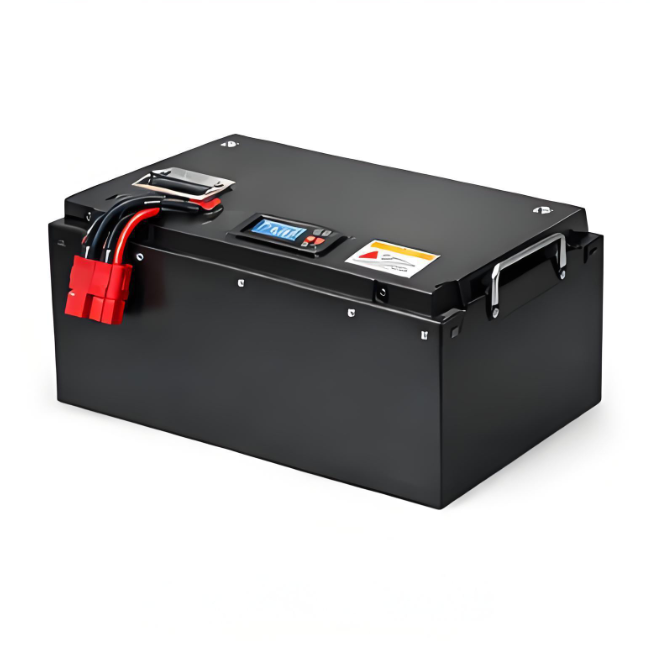
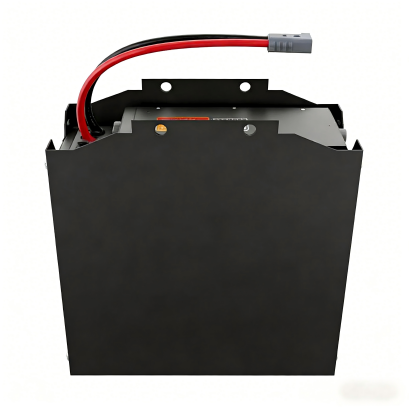

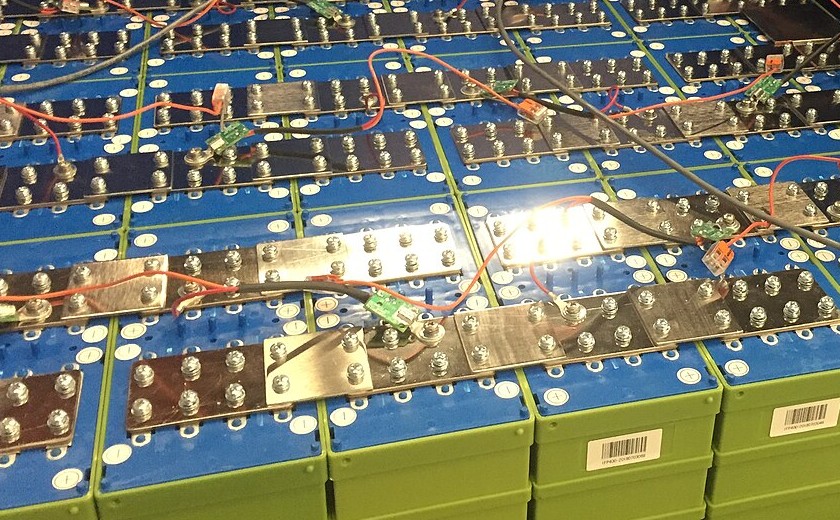
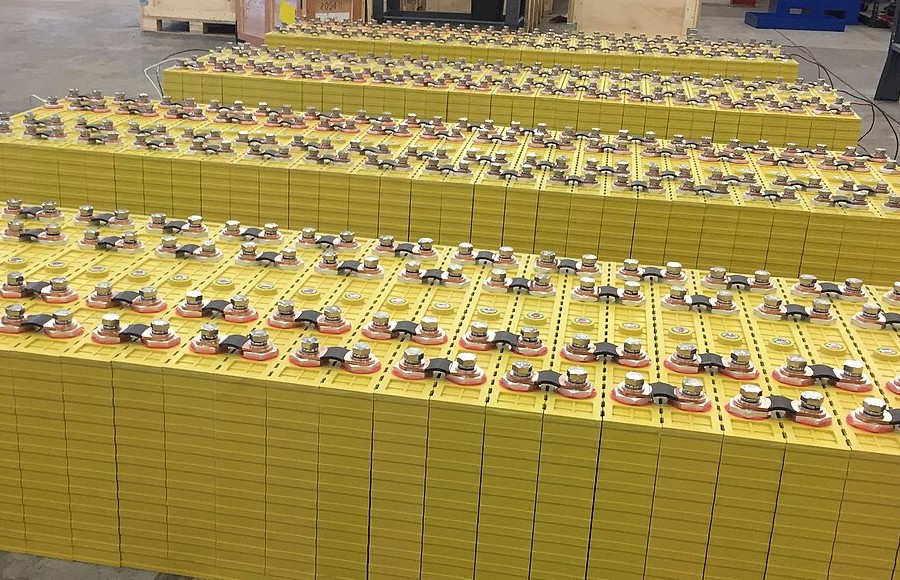



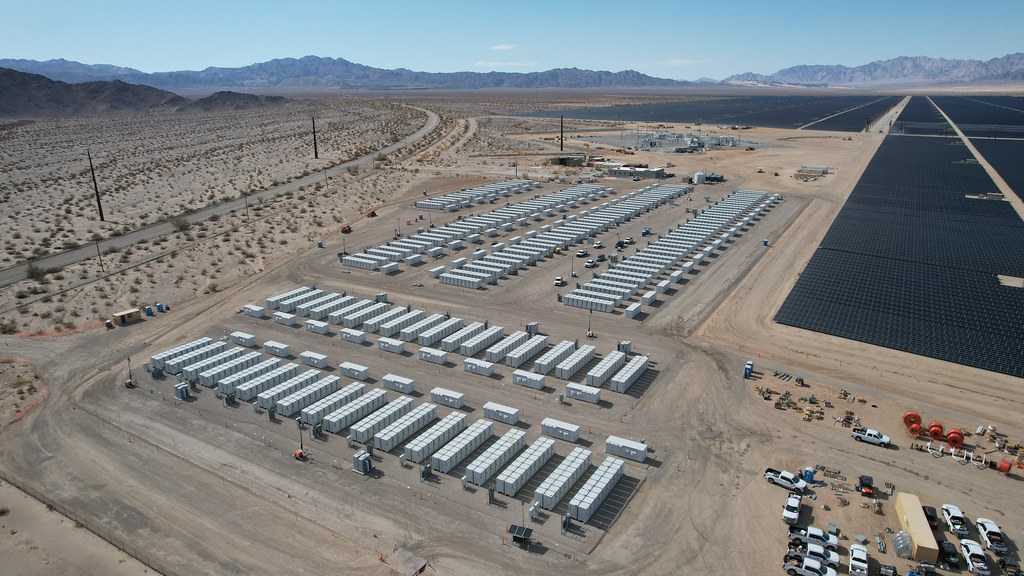

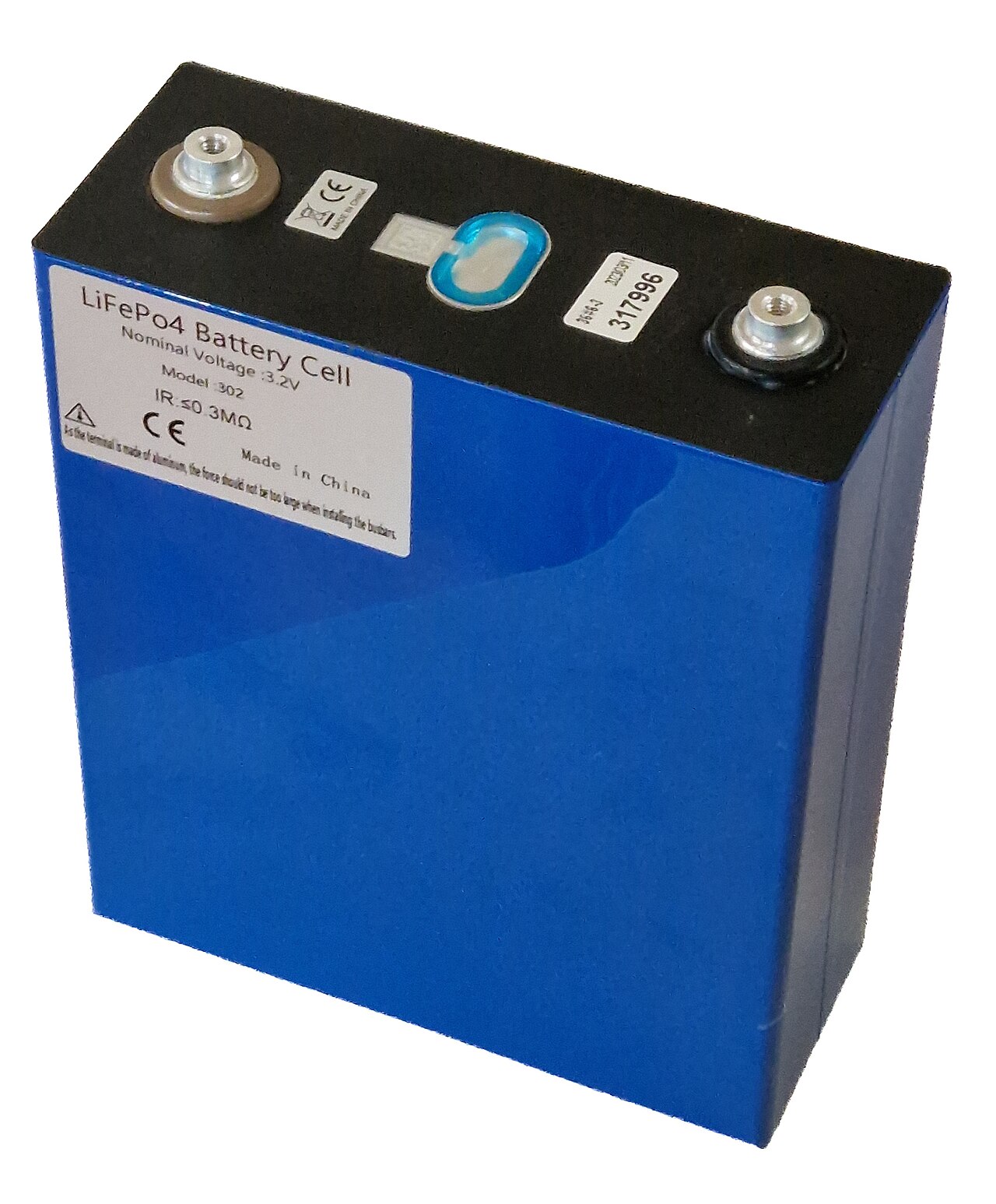

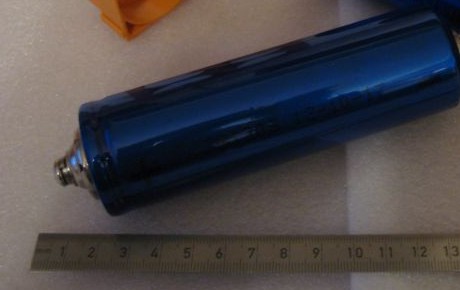
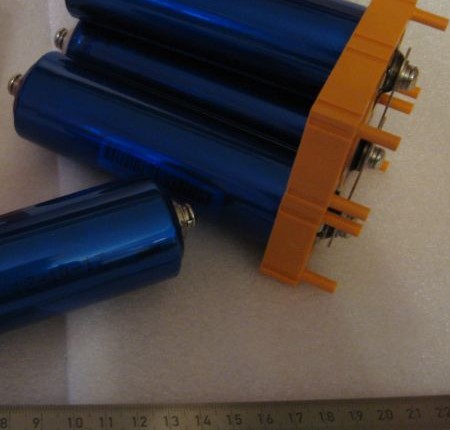
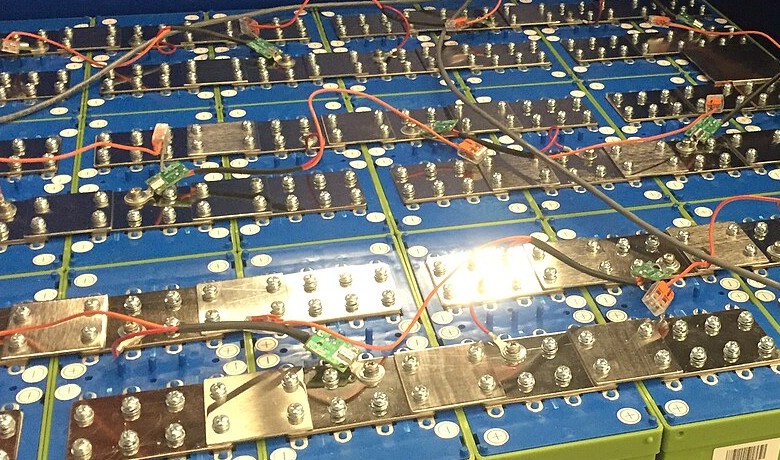
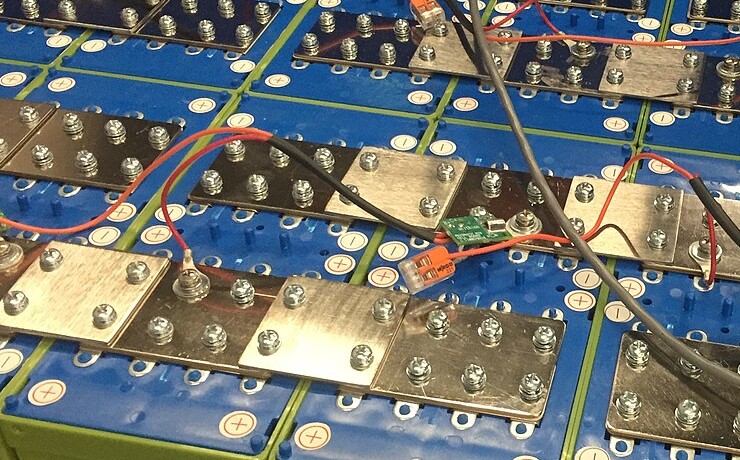
The EU Battery Regulation (Regulation 2023/1542) requires that from February 18, 2027, all EV batteries, industrial batteries above 2 kWh, and LMT batteries placed on the EU market carry a Digital Battery Passport. The passport is a standardized, machine-readable dataset linked to a QR code or equivalent data carrier on the battery. It covers manufacturer identity, factory location, battery chemistry, carbon footprint, raw material due diligence, performance characteristics, and recycled content. Non-compliant batteries are barred from sale.
The regulation also does many other things. It sets carbon footprint declaration requirements, minimum recycled content thresholds, collection and recycling targets, due diligence obligations for raw materials. The passport is the mechanism that makes most of these other requirements verifiable. Without the passport, the rest of the regulation is a set of promises with no receipt.

Why Batteries
The EU's ESPR (Ecodesign for Sustainable Products Regulation) plans Digital Product Passports for textiles, electronics, construction materials, furniture, and more. Batteries go first.
The public-facing explanation centers on batteries being critical to the green transition and carrying serious human rights risks in their supply chains. This is true and also not the whole story. Batteries were the path of least legislative resistance in Europe. The European battery manufacturing industry is young. Northvolt was founded in 2016. PowerCo later still. These companies actively want transparency requirements because traceability is how they compete against CATL and BYD. They lobbied for stricter rules, not against them. Try getting that dynamic in textiles, where the industry association has been writing position papers against supply chain disclosure for decades and has allies in every national parliament.
The complexity of batteries also serves the EU's long-term agenda. If the digital passport works for a product whose supply chain spans four continents, involves dozens of chemical systems, and passes through hundreds of intermediaries, the argument that it is "too complex" for simpler products collapses in advance.
The Carbon Footprint Methodology Problem
Of everything in the battery passport, this is where the most consequential decisions are being made right now, with the least public scrutiny.
The regulation requires manufacturers to declare each battery's lifecycle carbon footprint. Declarations phase in first, then performance class assignments, then binding maximum thresholds. Batteries that exceed the threshold get banned from the EU market.
All of this depends on a calculation methodology that the European Commission, through the JRC (Joint Research Centre), is still drafting via delegated acts. The methodology is where the regulation stops being an environmental policy and starts functioning as an industrial policy instrument, whether or not anyone in Brussels would describe it that way.

The central variable is the grid emission factor. Take a CATL cell factory. If it sits in Sichuan, where hydropower is abundant, the grid emission factor is relatively low. If it sits in Shandong, which runs heavily on coal, the factor is much higher. Use the Chinese national grid average for both factories and you erase the difference. Use provincial data and you preserve it. If the factory has a green power purchase agreement (PPA), the picture shifts again.
Now the question: does the EU methodology accept Chinese green electricity certificates (GEC) as valid offsets? What about international I-RECs? The answer to this question alone could rearrange the competitive positioning of Chinese versus European battery manufacturers on the carbon footprint performance class table.
Accept Chinese green certificates and a factory in Yunnan with a PPA can post carbon numbers that rival or beat a European factory running on the Nordic grid. Reject them and even the cleanest Chinese factories carry a carbon penalty that has nothing to do with their actual operational efficiency and everything to do with how the accounting boundary was drawn.
The JRC's parameter choices look like technical details. They carry trade policy consequences on the scale of import tariff adjustments.
Which background LCA database gets adopted as reference. Whether process-level or facility-level data is required. How co-product allocation works for mining operations that produce cobalt as a byproduct of nickel or copper. Each of these parameters shifts market access in measurable ways.
Some of the companies and governments that understand this have been submitting detailed technical comments through the consultation process. Others have not. The gap in engagement is striking. Several major Chinese battery manufacturers did not submit comments during the first consultation round on the carbon footprint delegated act, either because they underestimated its importance or because their European regulatory affairs teams were not yet staffed to handle it. The European automotive OEMs, by contrast, submitted extensively. This disparity in participation will have consequences that outlast the consultation period.
The EU will end up with a methodology that is defensible on technical grounds regardless of which choices it makes, because LCA methodology inherently involves judgment calls that reasonable experts disagree on. The question of which reasonable choice gets adopted is a question about who was in the room and who was not.
The Data Layers That Matter Less Than They Seem, and the One That Matters More
Identity, provenance, composition, performance characteristics: these are the passport's bread and butter, and most articles about the battery passport spend the bulk of their word count on them. Manufacturer name, factory location, cathode chemistry, rated capacity, cycle life, SoH at time of placing on market.
The competitive intelligence concern around chemistry disclosure is real. Battery chemistry is a trade secret. The disclosure level in the regulation is enough for a competitor's R&D team to make useful inferences. This has been raised in every industry consultation. The regulation has not been meaningfully amended in response. The Commission's apparent position is that the transparency benefit outweighs the competitive intelligence cost. Whether that position survives contact with the first major trade secret dispute remains to be seen.
Performance data becomes important after the battery leaves its first application. A retired EV battery with verified SoH and cycle history is an asset that can be valued, insured, and financed for second-life use in stationary storage. A retired EV battery without that data is scrap with uncertain residual value. The gap between those two things is what makes a secondary-use battery market possible or impossible. Right now, the market barely exists because the information layer is missing. The passport supplies the information layer. Whether a functioning market actually forms around it depends on many other things: standardized testing protocols, liability frameworks, logistics infrastructure for battery collection and grading. The passport is a necessary condition. It is not sufficient.

The due diligence layer is where the regulation is most politically ambitious and most practically constrained. About 70% of global cobalt comes from the DRC, much of it through artisanal and small-scale mining (ASM). ASM is fragmented, informal, mobile. The regulation requires rigorous supply chain auditing per OECD Due Diligence Guidance. It does not ban materials from high-risk areas.
This is not a loophole. Banning ASM-sourced cobalt entirely would push millions of miners deeper into informality and worsen the conditions the regulation is trying to address. The US learned this with Dodd-Frank Section 1502, which imposed conflict mineral disclosure requirements in 2010. The result in parts of the DRC was a de facto embargo that harmed legitimate mining communities without meaningfully reducing armed group financing. The EU regulation is designed with that precedent in mind. The goal is to make ASM supply chains auditable, not to eliminate them. Whether mandatory data tracing translates into improved conditions at mine sites is a separate and genuinely open question.
Recycled Content and What 6% Lithium Actually Means
2031 minimum recycled content: cobalt 16%, lithium 6%, nickel 6%. The cobalt and nickel numbers are achievable with current pyrometallurgical recycling. Lithium is a different situation. Pyrometallurgy sends lithium into slag with very low recovery. Reaching 6% lithium recycled content at scale requires hydrometallurgy or direct recycling, technologies that are in pilot or early commercialization. Companies like Li-Cycle, Redwood Materials, and several Chinese recyclers are scaling hydromet processes, but the gap between current capacity and what 6% across the EU market requires by 2031 is large. The threshold looks gentle. It encodes a technology transition deadline for the entire recycling industry.
The Infrastructure Layer
The passport uses a federated data architecture. Manufacturers host their own data. The QR code links to a URL resolving to the manufacturer's repository. Different stakeholders get different access tiers: public data open to all, restricted data for regulatory authorities, some data requiring battery holder consent.
Two competing infrastructure visions. Catena-X, driven by German automotive industry, built on Eclipse Dataspace Connector and Gaia-X principles, tightly integrated with German OEM data ecosystems. GBA (Global Battery Alliance), incubated by the World Economic Forum, cross-industry membership, pushing its own framework as a global benchmark. They differ on data models and access protocols. The Commission's implementing rules will effectively favor one architecture over the other, and network effects in data infrastructure make early choices sticky.

Blockchain traceability, which attracted significant investment around 2020, has lost momentum for a specific reason. Blockchain secures data integrity on-chain. It cannot verify that the data entered at the source was accurate. A mine that falsifies cobalt origin information produces a cryptographically secured chain of false data. The passport's credibility depends on physical auditing, third-party verification, and enforcement at the source. These are institutional functions, not cryptographic ones.
QR Codes Under an EV Chassis for Twenty Years
Battery mounted under an electric vehicle. Fifteen to twenty years of temperature extremes, vibration, road debris, salt spray. QR code label reliability under these conditions over that duration has not been fully validated. If the code is unreadable when the battery enters secondary use at year 12 or 15, the link between physical object and digital record breaks.
Alternatives under evaluation include laser etching, ceramic labels, embedded RFID. Each has different cost and durability profiles. The regulation does not specify what happens when the data carrier fails. Given that the entire passport system assumes a functioning physical-to-digital link for the battery's full lifecycle, this is a gap in the regulatory design that will need to be addressed through implementing acts or industry standards. It has received far less attention than the data model specifications, probably because it is an engineering problem rather than a policy problem, and the people drafting the regulation are policy specialists.
Ghost Batteries
Hundreds of millions of batteries on the EU market before February 2027 will never carry passports. These units will circulate through secondary-use and recycling channels for fifteen to twenty years. The secondary-use market will have passported batteries that can be precisely assessed and non-passported batteries that cannot. Passported units will command a price premium that reflects information value and nothing else.
Some companies will build retroactive data files for pre-passport batteries based on physical testing. These files will be less complete and less verifiable than native passports. A third-party testing and data services niche is forming around this demand. The regulation's drafters probably did not anticipate this secondary market. Regulations of this scope always produce economic activity in their crevices.

The Delegated Acts Timeline
February 2027 is fixed in the regulation. The delegated acts that operationalize the passport are behind schedule. Carbon footprint methodology has gone through multiple revisions with extended consultation periods. Key passport data model specifications remain unfinalized.
Manufacturers need final specifications 12 to 18 months before the compliance date to freeze system designs and begin data collection. Consultation period extensions consume exactly the preparation time that was supposed to follow finalization. No official communication has suggested moving the February 2027 date. If specifications are not locked by late 2025, the effective compliance window drops below 14 months.
This is the kind of risk that only becomes visible to people who track administrative procedure timelines, which is almost nobody outside specialized regulatory affairs teams. It is also the risk most likely to cause a messy launch, because the regulation's authors set the political deadline, the JRC and Commission services set the technical specification pace, and these two processes are not synchronized by any formal mechanism.
Who Can Handle This
European battery manufacturers are in the best position. Northvolt and PowerCo built transparency into their operations from the start. The passport confirms what they were already doing. Tesla's vertical integration gives it structurally fewer data handoff points between legal entities, which reduces compliance coordination cost. That is an advantage of corporate structure, not of passport preparation.
CATL and BYD have the resources, European presence, and organizational capacity to comply. Their ESG reporting is converging with European standards at speed. The pressure point is mid-tier manufacturers and materials trading intermediaries. Passport IT infrastructure runs several million euros annually for a mid-sized cell maker before you add upstream data collection and third-party verification. On thin margins, this is consolidation pressure.

A pattern worth watching: some manufacturers are building dual-track supply chains, one transparent for EU-bound production, one traditional for everywhere else. Short-term cost management. The US, Japan, UK, and South Korea are all developing transparency requirements at various stages. When those converge toward the EU standard, the dual-track approach becomes an expensive legacy system. Companies that went full-transparency from the outset will be years ahead.
Greenwashing Distinction
Corporate sustainability reports let the company define the boundaries, pick the metrics, choose what to emphasize and what to omit. The battery passport lets the regulation define all of that. Data is structured and machine-readable, which means automated compliance checking at scale. Market surveillance authorities in every member state have recall, fine, and border seizure powers. Falsification is a legal offense, not a reputational risk.
The meaningful difference is between voluntary disclosure designed by the discloser and mandatory disclosure designed by the regulator for external verification. Most "sustainability transparency" initiatives in other sectors are the former. The battery passport is the latter. They belong in different categories even though they share vocabulary.
The Bet
The battery passport assumes that standardized, compelled, machine-readable supply chain disclosure can move environmental and social costs from externality status into the pricing mechanism. That assumption may prove correct. The EU has staked substantial institutional credibility on it. If the passport works for batteries, the template extends to every product category that follows. If it fails through implementation problems, delayed delegated acts, data carrier unreliability, methodology disputes, ghost battery market distortion, or enforcement gaps across 27 member states, the loss is not limited to this one regulation. REACH, GDPR, and every other instance of the Brussels Effect operating through first-mover regulation depend on global industry believing that EU regulatory commitments are durable and enforceable. The battery passport is the current test of that belief, applied to a more technically complex product, in a more geopolitically tense environment, with a tighter implementation timeline than any previous instance.