What Battery Systems Are Used in Desert Climate Conditions
Energy & Infrastructure
What Battery Systems Are Used in Desert Climate Conditions
Long-Form Analysis
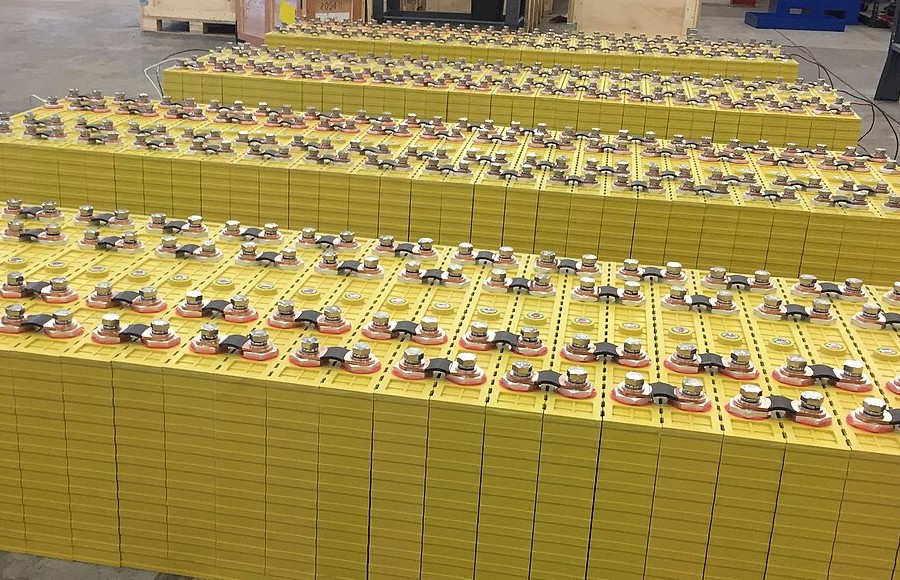
A 40-foot shipping container full of lithium iron phosphate cells costs roughly the same whether it ships to Munich or to Riyadh. The engineering that surrounds those cells once they arrive costs two to five times more in Riyadh if done correctly, and about the same if done cheaply, which is how most of them are done, and which is why degradation rates in desert BESS projects consistently overshoot the pro-forma.
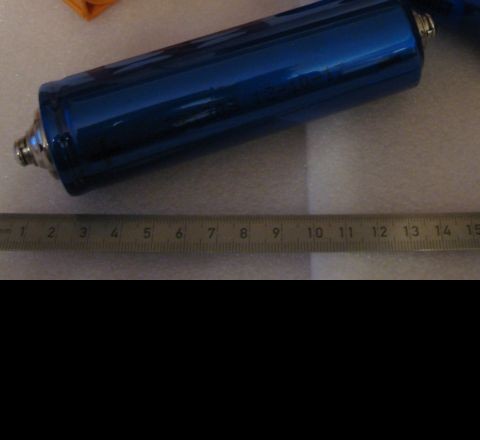
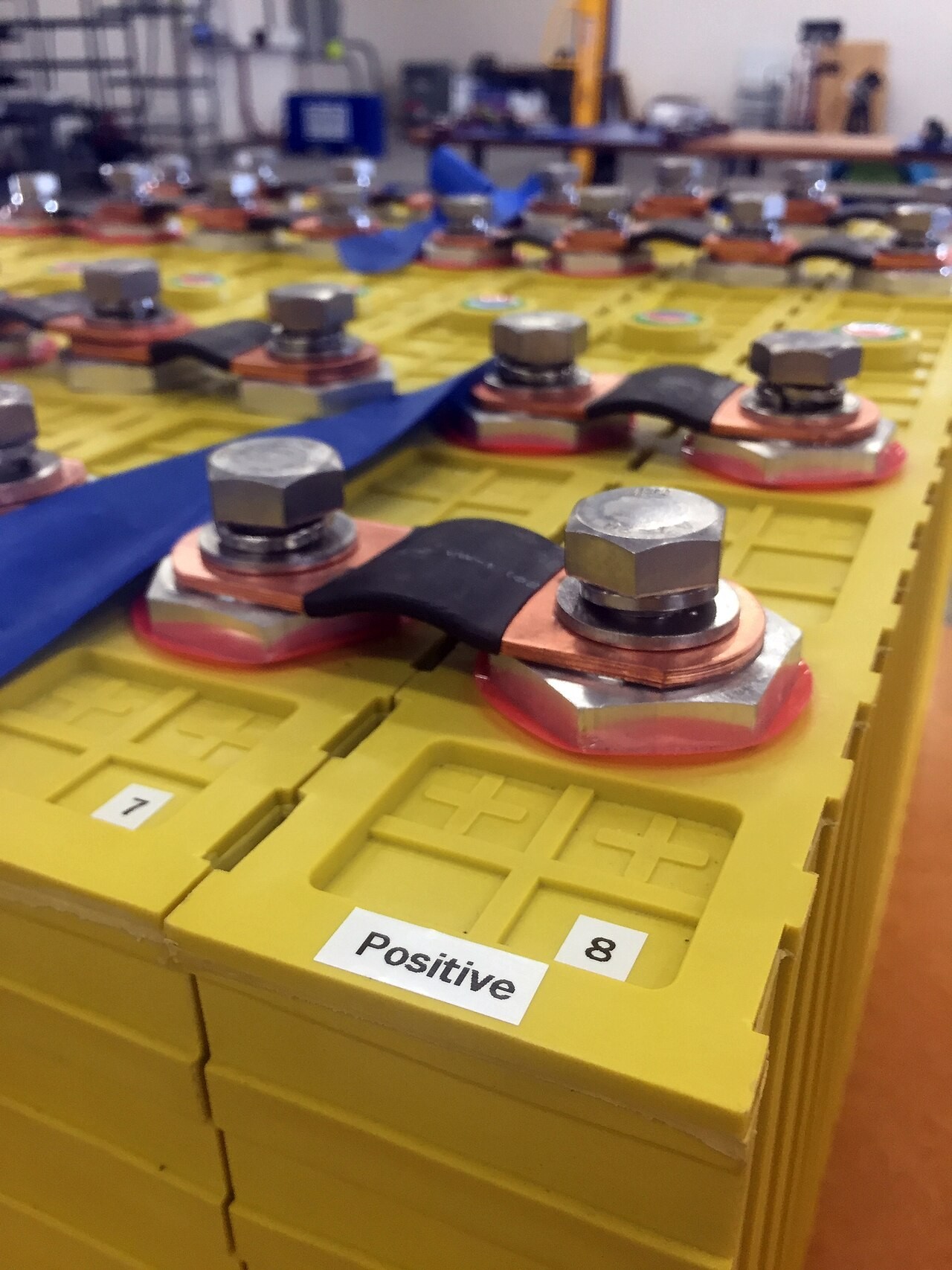
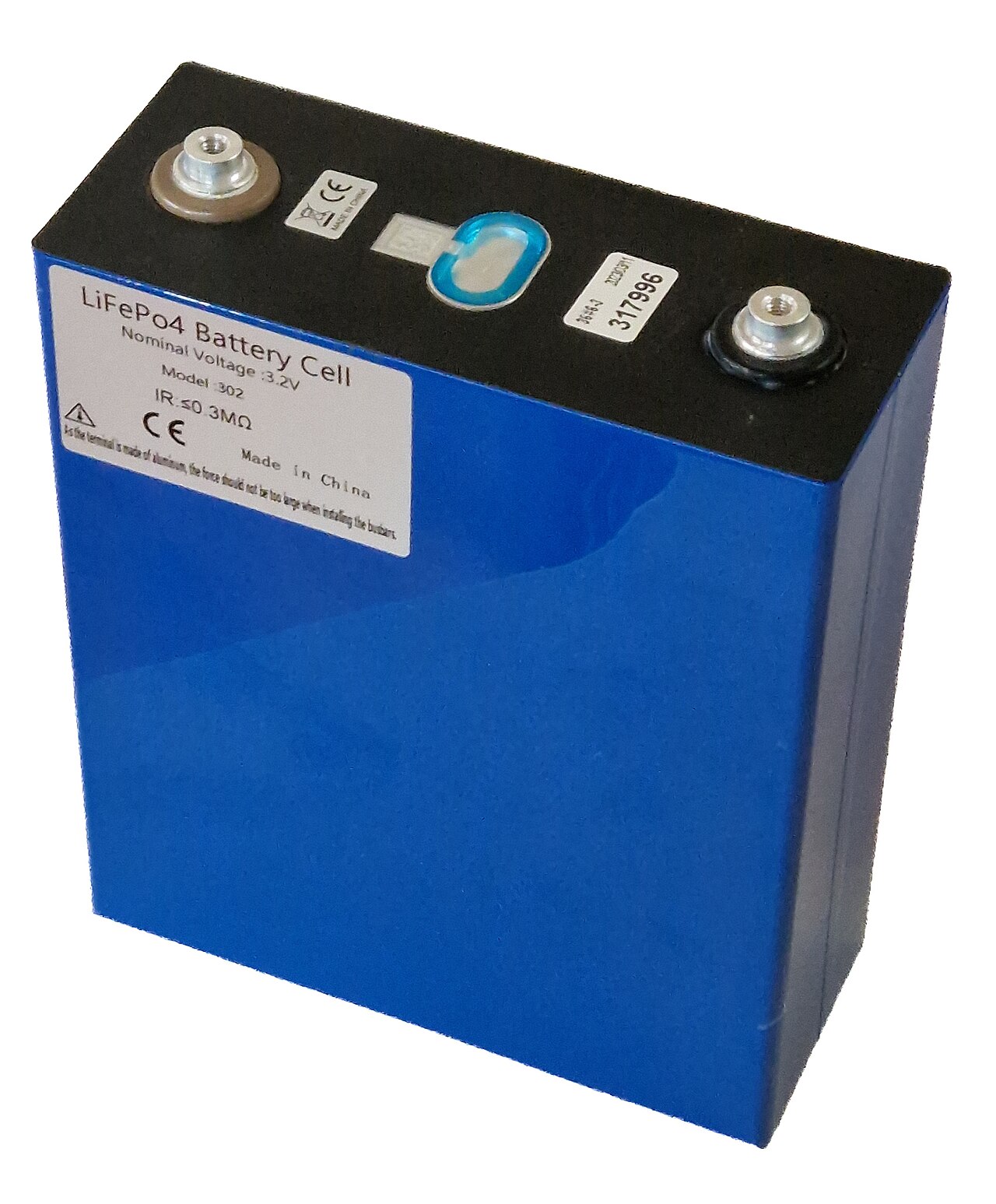
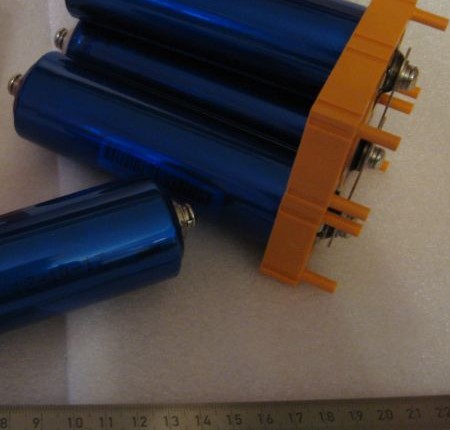
LFP from BYD, CATL, or EVE Energy is in nearly every desert grid storage project of consequence. There is no active debate among operators with Gulf or Saharan field experience about whether LFP is the right cathode chemistry for stationary desert storage. It is. NMC and NCA show up inside electric vehicles and in the occasional rooftop installation where structural weight limits force the choice. Sodium-ion has no desert field data at scale. Solid-state has no commercial desert deployment. Flow batteries have the best technical case and the worst market traction. Lead-acid hangs on through distribution logistics and scrap economics in developing markets.
None of that is where the interesting failures happen.
The Condenser Coil at 3 PM in July
The interesting failures happen in the cooling system, specifically in the outdoor condenser coil of the vapor-compression refrigeration circuit that keeps the cells below 35°C.
At 50°C outdoor air, which is a normal July afternoon across a wide belt from Riyadh to Phoenix to Jacobabad, the condenser must reject heat into air that is almost as hot as the coolant. The coefficient of performance of the refrigeration cycle drops. Compressor power consumption rises. High-side refrigerant pressure climbs toward the protection cutout threshold. The compressor is now working harder than at any other point in the year, at the exact moment when the battery is most likely to be at peak discharge (late afternoon solar-plus-storage peak shaving), which means the battery is generating maximum internal heat at the exact moment the cooling system is least able to reject it.
Add dust. Condenser coils are finned heat exchangers sitting outdoors. Desert dust settles on the fins. The thermal resistance between refrigerant and outdoor air increases. Heat rejection degrades further. High-side pressure rises further. If the coils are not cleaned on a schedule matched to local dust loading, performance degrades week by week until the system either trips on high-pressure protection or pushes the compressor into early failure.
Compressor failure at a remote site is a specific event with a specific and fixed consequence: every hour of unprotected operation at desert ambient temperature adds irreversible capacity loss to the cells. For LFP, the cells will not ignite. They will permanently lose a small increment of capacity for each hour spent above roughly 45°C, through accelerated iron dissolution from the cathode into the electrolyte and catalyzed SEI growth on the graphite anode. For NMC, the same heat drives cation mixing in the layered oxide cathode, which is a different mechanism with the same practical result: permanent, invisible, cumulative damage.
How many hours of unprotected operation occur between compressor failure and replacement depends on where the site is. Near Abu Dhabi or Tucson, maybe 48-72 hours. In the Sahel or the Australian interior or the Karakum, could be two or three weeks, longer if spare parts are not locally stocked, which they usually are not because stocking compressor spares at remote desert sites costs money that the EPC contractor did not include in the fixed-price bid because the EPC contractor’s scope ends at commissioning.
N+1 redundancy on the refrigeration circuit prevents this. One extra compressor beyond what the thermal model requires. Expensive. The only demonstrated method for maintaining warranty-compliant cell temperatures through a summer compressor failure at a remote desert site. Whether it gets specified depends entirely on whether the entity writing the procurement specification will be the entity paying for cell replacement in year twelve. Usually, it will not be.
N+1 redundancy on the refrigeration circuit prevents this. One extra compressor beyond what the thermal model requires. Expensive. The only demonstrated method for maintaining warranty-compliant cell temperatures through a summer compressor failure at a remote desert site.
Why the Weather Station Temperature Is Wrong
The cell manufacturer’s thermal management guideline says “design for 40°C ambient.” That number comes from weather station data. Weather stations measure air temperature in a ventilated Stevenson screen at 1.5 meters above grass in shade.
A BESS container on a concrete pad in the desert is not in shade. It is not above grass. It is not ventilated.
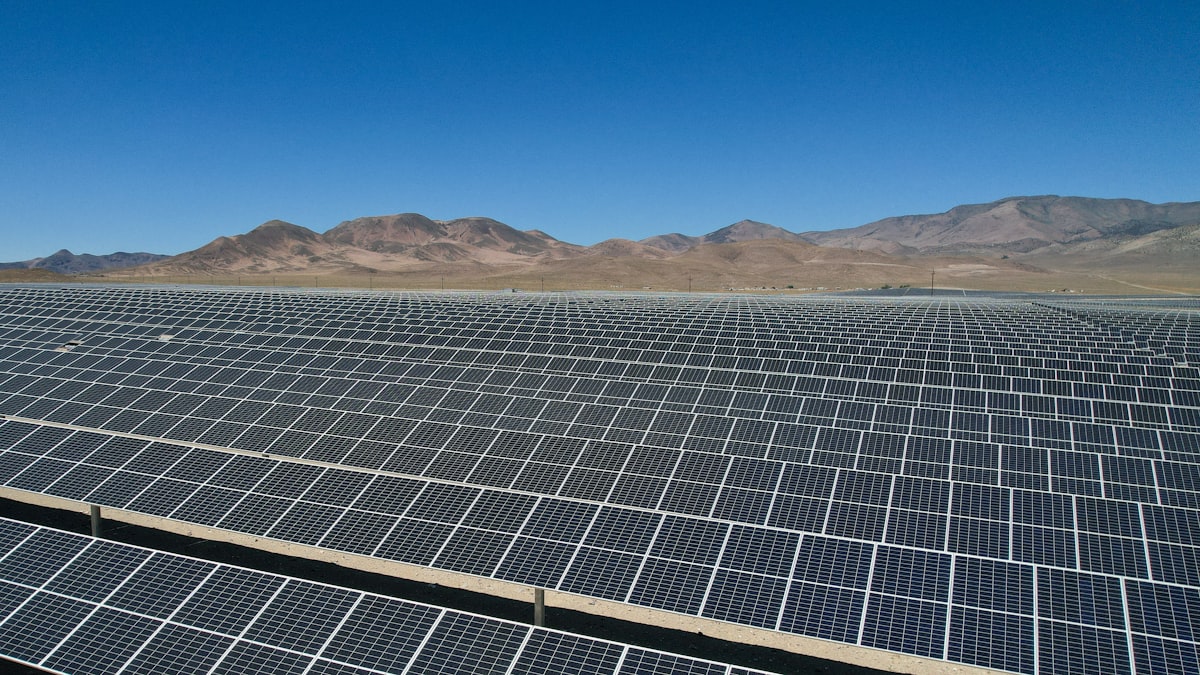
Research measurements at the Mohammed bin Rashid Al Maktoum Solar Park site in Dubai have recorded dark surface temperatures above 72°C at solar noon during summer. The concrete pad under a BESS container absorbs ground heat and conducts it upward through the uninsulated steel floor. The roof absorbs direct solar irradiance. The walls absorb reflected radiation from surrounding sand, which bounces 35-45% of incoming sunlight back up. Cumulative thermal input to the container envelope is dramatically higher than the 40°C air temperature measured at a weather station a few kilometers away.
An EPC contractor who sizes the cooling system to the manufacturer’s 40°C guideline will deliver a system that cannot hold 35°C cell temperature on a July afternoon. The undersizing is not a subtle margin question. It is a category error: the design ambient and the experienced thermal environment are different quantities, and conflating them produces a cooling system that runs out of capacity during the hundred or so hours per year when cell temperatures matter most.
The floor problem is specific. Modules stacked on the container floor receive conducted heat from the slab below. Bottom-row modules run several degrees warmer than top-row modules. BMS temperature sensors may or may not be on the bottom row. If they are on the upper modules, the temperature log that determines warranty compliance understates the worst-case cell temperature in the system. The warranty claim in year five will be adjudicated based on data that systematically underreports the thermal stress the hottest cells experienced.
Elevated mounting on steel piers, 300mm of air gap between container and slab, breaks the conductive path. Cheap. Simple. Omitted from most projects because it adds a line item to civil works that the EPC contractor is trying to compress.
Enclosure Modifications That Pay for Themselves and Get Cut Anyway
Spray-applied closed-cell polyurethane foam on interior walls and ceiling. Ceramic or elastomeric white reflective coating on exterior surfaces. Double-wall construction with a ventilated air gap. Each reduces solar heat gain into the enclosure. Combined, the reduction is large enough to meaningfully cut cooling system energy consumption over twenty years of operation.
These modifications get specified in projects where the long-term operator participates in procurement. They get cut in projects where the EPC contractor controls the specification and is optimizing a fixed-price bid. The pattern is consistent enough across the industry that it is boring to document, which does not make it less consequential.
Dust, Salt, Leakage Currents, and the Diagnostic Problem
Arabian Peninsula dust carries soluble salts. Saharan dust carries different minerals with different conductivity profiles. Gobi dust is high in silica. The salt-bearing dust is the problem for battery systems.
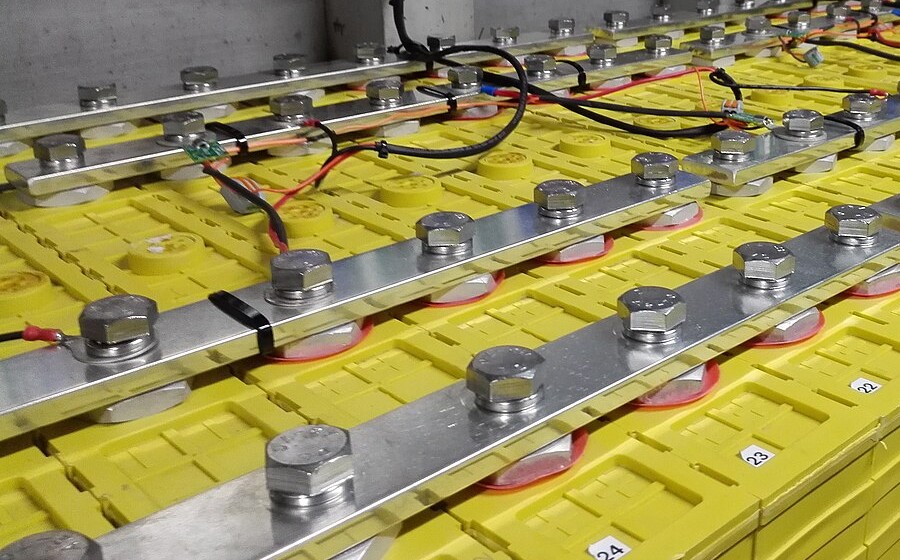
Standard HVAC systems ship with MERV 13 filters. These do not capture the fine fraction below 10 microns, which is exactly the fraction that carries the salts and stays airborne longest. Fine particles pass through the filter, settle on bus bars and cell terminals, and wait for moisture. Overnight temperature drops can briefly reach dew point on metal surfaces even at single-digit ambient humidity. The salt-laden particles absorb that trace moisture and form thin conductive films across terminal gaps.
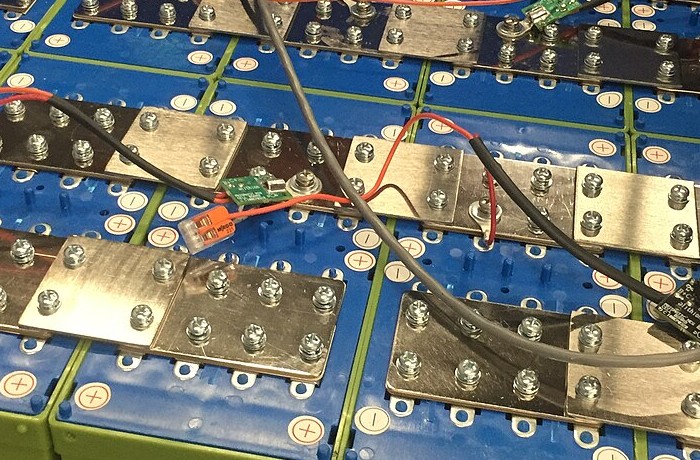
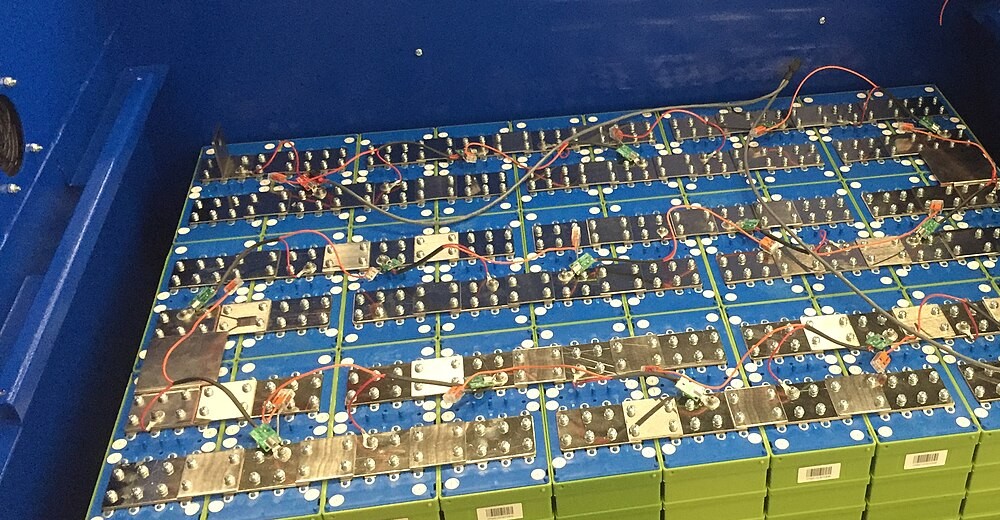
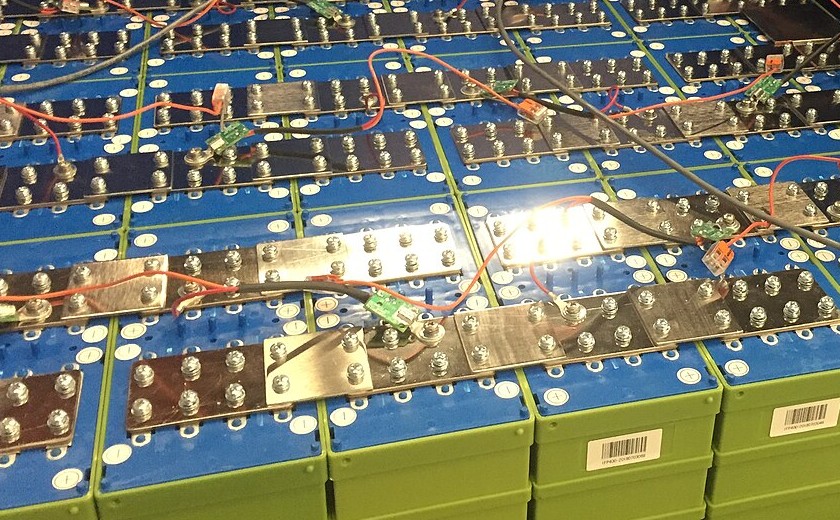
Parasitic leakage currents develop between series-connected cells. The currents are far below protection thresholds. Over weeks, they push parallel strings to different states of charge. The BMS sees voltage divergence and attempts to rebalance. If the drift rate exceeds balancing capacity, usable pack energy decreases because some strings hit cutoff limits before others. The monitoring system attributes this to normal aging.
Nobody discovers the root cause without pulling panels and inspecting terminals, which requires a site visit, which requires scheduling, which in a quarterly maintenance contract means the problem can run for months before anyone looks. And when they look, the conductive film is thin enough that it is not obviously visible without measurement. A resistance check across terminal gaps reveals the issue. A cloth wipe and recheck confirms it. The fix is cleaning. The prevention is better filtration.
MERV 14 on all intakes. Coarse pre-filters upstream. Differential pressure sensors across filter stages with telemetry to remote monitoring. Event-driven filter replacement. These are the specifications. They add modest cost.
When a filter clogs and nobody catches it in time, the HVAC intake starves for air, negative pressure develops inside the enclosure, and unfiltered air enters through cable glands and door seals. This pathway deposits dust directly onto BMS circuit boards and relay contacts, which is a different and worse problem than bus bar contamination because it affects the control system rather than just the power path. Cleaning BMS boards requires partial shutdown and careful work. Most maintenance contracts do not scope for it because the contract was written assuming the filtration would prevent it, which it would have, if the filters had been specified correctly and monitored.
Burying the Coolant Loop
Several Gulf installations run glycol through horizontal pipes two to three meters underground. Soil temperature at that depth in the Arabian Peninsula is around 28-31°C year-round with negligible variation by season or time of day.
This is a free heat sink. The glycol picks up battery heat, circulates through the underground loop, drops its heat into soil that is twenty degrees cooler than afternoon air, returns to the battery modules. The compressor circuit still runs during peak conditions. It runs less hard and less often because the ground loop has already removed a portion of the thermal load. Compressor runtime across the year drops significantly. Compressor life extends because cycling frequency decreases and operating pressures are lower when the compressor does engage.
During a total mechanical cooling failure, the ground loop alone keeps cells below the temperature where significant accelerated degradation begins, for hours at minimum, possibly a full day or more depending on the thermal mass of the system and the discharge load. This is a passive survival margin that no air-cooled-only system possesses.
Trenching cost varies with soil type and site access. On a flat utility-scale desert site it is routine earthwork.
LFP Degradation in the Desert Specifically
The Jeff Dahn group at Dalhousie has the most systematic published academic work on LFP aging mechanisms. The iron dissolution pathway is well characterized at the cell level under laboratory conditions. What is not well characterized is the ten-year field degradation trajectory under the specific combination of conditions that desert deployment creates: daily temperature cycling, variable cooling system effectiveness, intermittent dust contamination, and irregular cycling profiles driven by solar generation patterns.
Iron dissolves from the LiFePO₄ cathode at rates that increase with temperature. Dissolved iron migrates through the electrolyte to the graphite anode. It deposits on the anode surface as metallic iron particles. These particles catalyze the decomposition and reformation of the SEI layer. Each reformation consumes cyclable lithium that cannot be recovered.
In laboratory accelerated aging at constant elevated temperature, capacity fade looks gradual and roughly linear for the first several years. Manufacturers extrapolate this to ten-year warranty terms. In desert field operation, where temperature is not constant, where the SEI is subjected to mechanical stress from thermal cycling and electrode expansion/contraction in addition to chemical attack, the trajectory appears to diverge from the linear model somewhere around year three to four. The divergence is not dramatic in any single quarter. It accumulates. By year six or seven, the cumulative departure from the linear model is enough to materially affect augmentation planning and revenue projections.
The mechanism behind the divergence is probably a threshold effect in iron surface coverage on the anode. Below a certain coverage density, iron-catalyzed SEI breakdown is localized. Above that density, it becomes general across the electrode area. The rate-limiting step shifts and the fade rate changes character.
“Probably” because there is no published peer-reviewed paper documenting this threshold effect with field data from a specific desert installation over a decade of service. The longest publicly discussed data is five to seven years from conference presentations and industry working group discussions. The threshold hypothesis is consistent with what operators report, consistent with the Dahn group’s mechanistic studies, and consistent with the electrochemical literature on iron contamination effects on graphite anodes. It has not been confirmed with a full-lifecycle field dataset.
This is a problem for the industry. Financial models project ten-year performance using linear extrapolation from early-life data. If the field trajectory has a nonlinear inflection around year four, the model overstates remaining capacity for every year after the inflection. The resulting revenue shortfall accumulates. Augmentation decisions that should begin in year seven start in year nine. The system underperforms its contracted capacity obligations for two years before anyone acts.
Operators who have long-duration field data treat it as confidential. Publishing degradation rates that exceed warranty projections would impair asset valuations across their portfolio. This is individually rational and collectively destructive. New projects continue to be modeled with the same laboratory-derived curves that previous projects found optimistic. Banks and equity investors have no independent benchmark to apply a desert correction factor. The cycle repeats.
The flat voltage-SOC curve of LFP between 20% and 80% state of charge has a secondary implication that interacts with the dust-induced leakage current problem. When parallel strings drift apart in SOC due to parasitic surface currents on contaminated terminals, the flat voltage curve means the resulting voltage divergence between strings is small. The BMS, which detects imbalance through voltage comparison, is slow to identify the drift. At the same time, the small voltage difference means less electrical stress on the drifted strings than the equivalent SOC divergence would produce in NMC with its steep mid-range voltage curve. The net effect on system health depends on the specific BMS balancing algorithm. For a BMS that triggers active balancing at a fixed voltage-difference threshold, the flat LFP curve means the system tolerates more SOC drift before intervention, which could mean more energy loss before correction or less stress-induced damage during the drifted period, depending on what matters more at the specific drift magnitude. There is no general answer.
Operators who have long-duration field data treat it as confidential. Publishing degradation rates that exceed warranty projections would impair asset valuations across their portfolio. This is individually rational and collectively destructive. New projects continue to be modeled with the same laboratory-derived curves that previous projects found optimistic.
NMC in the Desert, Short
NMC shows up in EVs and in the rare stationary project with a binding density constraint. Cation mixing in the layered oxide cathode has steeper temperature sensitivity than LFP’s iron dissolution. Everything in the cooling section above applies with smaller margins. Tesla in Gulf EV markets runs software charge rate limits and pack pre-conditioning tuned for heat; supercharger sessions run longer in Riyadh than in cold-climate markets.
For stationary NMC: either N+1 cooling redundancy or accept compressor-failure-event cathode damage as a line item in the risk register. The engineering is covered above. There is nothing NMC-specific to add about the cooling system or enclosure that has not already been said.
Sodium-Ion
No multi-year desert field data at any scale. Cell-level temperature tolerance looks good (inorganic-rich SEI on hard carbon, higher electrolyte thermal decomposition onset). Zero-volt shipping eliminates hazmat logistics for remote sites. No lithium or cobalt in the supply chain, which resonates with Middle Eastern procurement strategists who have discussed it publicly at events like the World Future Energy Summit.
The 2027-2028 procurement cycle is the first plausible window for significant desert deployment. Field data from those installations will not exist until the early 2030s.
Cell-level test results are encouraging. Whether they predict ten-year desert field performance is unknown. Every previous extrapolation from laboratory data to desert field performance for lithium-ion chemistries has overestimated. There is no specific reason to expect sodium-ion to be immune to this pattern, and no specific reason to expect it to follow the pattern either. The data does not exist yet.
Lead-Acid
Eighteen to thirty months of VRLA life in unconditioned desert telecom shelters versus seven-year ratings at 25°C. Grid corrosion and water loss, both temperature-accelerated.
Persists because replacement batteries are available locally in rural Pakistan, Niger, Mali, Yemen, and similar markets without international procurement. Spent batteries have positive scrap value through informal lead recycling networks. Lithium-ion has no end-of-life channel in these markets. This structural advantage will erode as lithium-ion recycling expands geographically, which is not happening fast.
Solid-State
Prototypes in field testing in Saudi Arabia and UAE. Sulfide electrolytes conduct ions better when hot. Thermomechanical interface stress from daily thermal cycling on rigid ceramic-to-metal interfaces is the open question. Years from useful data.
Flow Batteries
Tanks underground at stable soil temperature. Cell stack with minimal thermal mass. Vanadium electrolyte that does not degrade. Membrane crossover correctable through maintenance. Cycle life in the tens of thousands over decades. Architecturally better suited to desert conditions than any sealed-cell chemistry.
Capital cost per kilowatt-hour higher than LFP at financial close. Economic advantage appears in years eight through twenty-five. Project developers planning equity exit at year five to seven do not capture the benefit. The long-term owner or utility that would benefit rarely controls procurement.
Invinity Energy Systems and Largo Clean Energy have discussed hot-climate markets publicly. Deployed desert capacity is negligible relative to lithium-ion. The constraint is project finance structure.
Who Decides and Why It Matters
Developer minimizes capex for IRR at financial close. EPC contractor delivers fixed-price. Cell manufacturer warrants at 25°C and places temperature compliance burden on operator through BMS log requirements. Operator arrives after commissioning.
Cooling gets sized to the cell manufacturer’s minimum guideline. Guideline ambient does not match the thermal environment of a metal box on hot sand. Enclosure ships unmodified from temperate-climate product line. Maintenance contract assumes quarterly visits. Financial model uses 25°C degradation curves.
Capacity tests at year four disappoint. Operator files warranty claim. Manufacturer pulls temperature logs, finds exceedances during a compressor outage, contests. The warranty was conditional on thermal compliance, and the cooling system was not specified to maintain compliance through equipment failures.
Projects where the long-term owner participates in procurement from the start specify cooling with redundancy, insulated reflective enclosures, MERV 14 filtration with pressure monitoring, and event-driven maintenance. Cost more at commissioning. Cost less by year ten. ACWA Power and Masdar, both of which build and operate their own assets for portions of their portfolio, have moved toward heavier thermal management specifications based on operational experience.
The performance data that would quantify the cost difference between these two approaches is not publicly available, for the same reasons discussed under LFP degradation: publishing unfavorable field data impairs asset valuations. Industry conferences acknowledge the pattern obliquely. Private technical advisory reports from DNV, Guidehouse, and similar firms contain project-specific numbers behind confidentiality agreements.
This information asymmetry will persist until a regulator mandates performance disclosure or a research institution publishes a multi-year monitored field trial. Saudi and Emirati energy regulators are still building out their grid storage oversight frameworks. Disclosure mandates are possible in the medium term. They are not imminent.
Meanwhile, every new desert BESS project carries an unquantified optimism bias in its degradation model, and the procurement structure ensures that the parties best positioned to correct the bias have the weakest incentive to do so.
Meanwhile, every new desert BESS project carries an unquantified optimism bias in its degradation model, and the procurement structure ensures that the parties best positioned to correct the bias have the weakest incentive to do so.