Indonesia banned raw nickel ore exports in January 2020. The policy has since reshaped battery material sourcing, destroyed the London Metal Exchange's credibility as a nickel pricing venue, triggered a WTO dispute that exposed the emptiness of international trade enforcement, killed over a hundred smelter workers, and handed China a degree of control over nickel processing that may prove irreversible within the current investment cycle. The policy has also, by an irony that compounds with each passing quarter, helped accelerate the global battery industry's migration toward chemistries that do not use nickel at all.
Value Capture and Its Discontents
Raw nickel ore trades at $30 to $50 per ton. Nickel sulfate for battery cathodes trades at $15,000 to $20,000. Former President Joko Widodo's administration cited a jump in nickel export value from 17 trillion to 510 trillion Rupiah as proof of concept, and those figures are not fabricated. Indonesia had tested the approach before: a 2014 ore export ban channeled foreign capital into ferronickel smelting and, within seven years, made the country the world's second-largest stainless steel producer.
The 2020 version targeted a higher-value destination. Electric vehicle batteries use nickel in their cathode chemistry, and the margins on battery-grade nickel products dwarf those on stainless steel inputs. Investment poured in. Smelters proliferated across Sulawesi and Halmahera. Indonesia's share of global nickel production reached 58 percent by 2024. Projections put it at 70 percent before 2030.
These numbers describe tonnage and capital flows. They do not describe who owns the smelters, who operates the HPAL plants, who supplies the sulfuric acid, who buys the output, or who dies when a furnace explodes. The distribution of those answers is less encouraging for Jakarta than the tonnage figures suggest.
Class 2 Nickel Is Not Class 1 Nickel
Indonesia's laterite deposits produce Class 2 nickel: nickel pig iron and ferronickel, the feedstock for stainless steel. Battery cathodes require Class 1 nickel at 99.8 percent purity or above. The two grades respond to different demand drivers, serve different end markets, and trade at different effective prices. The entire downstreaming strategy depends on converting one into the other.
The conversion technology is HPAL, which forces sulfuric acid through laterite ore at high temperature and pressure to yield Mixed Hydroxide Precipitate, a precursor to battery-grade nickel sulfate. Construction costs run $1 to $3 billion per plant. The process demands large volumes of sulfuric acid (sourced predominantly from China), generates caustic tailings that require engineered permanent containment, and consumes enormous amounts of electricity generated, in Indonesia's case, by captive coal-fired power plants built specifically for the nickel processing parks. These captive plants now account for roughly a fifth of Indonesia's total coal power capacity, operating outside the national grid and largely outside public accounting of the country's energy mix.
HPAL has a difficult operational history globally. New Caledonia's Goro plant, Australia's Ravensthorpe, Madagascar's Ambatovy project: all experienced years of technical struggle and cost overruns, and not all reached stable commercial production. Chinese engineering teams have achieved faster ramp-ups in Indonesia than predecessors managed elsewhere, which is worth noting. It is also worth noting that in March 2025, two tailings facilities inside the Indonesia Morowali Industrial Park failed within days of each other. The first, operated by PT Huayue Nickel Cobalt, had been built on an infilled pond (according to Earthworks), and its breach sent a wave of heavy-metal-laden red water into the Bahodopi river and through Labota village, affecting 341 families. The second, owned by PT QMB New Energy Materials, collapsed and killed three workers.
The carbon footprint of this processing route adds another dimension to the problem. Producing Class 1 nickel from Indonesian laterite releases, on average, two to six times more CO₂ per ton than producing Class 1 nickel from sulfide deposits in Canada or Australia. European procurement teams are already scoring suppliers on carbon intensity in anticipation of the EU's battery passport mandate, which will require carbon footprint disclosure for every battery sold in Europe. Indonesian HPAL nickel, the cheapest source by unit cost, is becoming a progressively harder sell in RFQ processes where carbon compliance is weighted alongside price.
107 Dead
Between 2019 and 2025, according to data compiled by Sembada Bersama Indonesia, 104 workplace accidents occurred in Indonesian nickel smelters, killing 107 people and injuring 155. Rasamala Hijau Indonesia counted 38 incidents in 2024 alone, with 32 fatalities among 120 victims. IMIP, the flagship of downstreaming, accounted for 40 of the deaths between 2015 and mid-2024, per the NGO TrendAsia.
The December 24, 2023 explosion at an Indonesia Tsingshan Stainless Steel smelter in IMIP killed 21 workers and burned 38 more. The company announced payments of approximately $37,000 to families of the dead. At least one survivor, after 33 days hospitalized and eight surgeries, has stated publicly that he received nothing. Workers in the park live in plywood-and-sheet-metal settlements adjacent to the smelter complex. The Bahodopi Community Health Center recorded 55,527 cases of acute respiratory infection in 2023, four times the previous year's figure.
A 2024 workplace safety survey by the Federation of Mining and Energy (FPE KSBSI), covering May through July, documented conditions inside IMIP that multiple workers described with a consistent phrase: production first, safety later. Defective equipment was ordered into use. Workers who posted accident information online faced disciplinary action for leaking company secrets. Those who joined unions were denied overtime shifts, which in practice meant a pay cut that made the job financially untenable. The facilities are classified as national vital objects. Police and military guard the perimeters. Worker protests are treated as security threats.
The U.S. State Department's 2025 Trafficking in Persons Report flagged limited Indonesian government effort to investigate labor exploitation at Chinese-affiliated industrial parks, citing restricted worker movement, surveillance, and approximately 6,000 Chinese migrant workers operating without meaningful access to independent labor representation.
Bloomberg reporting showed that Tesla, Ford, General Motors, and Hyundai likely have or will imminently have Indonesian nickel in their supply chains, with IMIP almost certainly among the sources. Tracing a specific ton of nickel from a specific facility through the refining, cathode manufacturing, cell assembly, and module integration stages to a specific vehicle is, under current supply chain architecture, effectively impossible. Climate Rights International contacted Tesla, Ford, and Volkswagen about their Indonesian nickel due diligence. Ford and Volkswagen replied in writing. Tesla engaged in discussions but provided no written response. Elon Musk publicly called for more nickel production in 2020. As Columbia University researcher Tom Moerenhout has noted, Musk stopped mentioning nickel. The purchasing continued.
Tsingshan Is the Story
Tsingshan Holding Group, founded by Xiang Guangda, holds roughly 49.7 percent of IMIP through one subsidiary and additional stakes through another. The company is landlord, contractor, power supplier, port operator, and smelter operator within the park simultaneously. Chinese firms collectively control an estimated 75 percent of Indonesian nickel refining capacity. Tsingshan is the largest single node. China supplies 80 to 90 percent of the refining machinery Indonesia uses, 70 percent of heavy mining equipment, and the sulfuric acid that HPAL plants consume. Roughly 80 percent of processed nickel output ships to China. In September 2025, Tsingshan took a majority stake in a new facility alongside South Korea's POSCO, extending its control even into projects that involve non-Chinese equity partners.
Indonesia designed the export ban to move up the value chain. The processing capacity that resulted is Chinese-owned, Chinese-engineered, Chinese-supplied, and sells its output to Chinese buyers. Indonesia captures employment, some tax revenue, and environmental liabilities. The cathode manufacturing, cell assembly, and battery pack integration steps where the highest margins accumulate remain located in China.
What makes Tsingshan's position singular among commodity producers is that the company's influence extends from the physical supply chain into the financial pricing mechanism for nickel, and the two interact in ways that the market has not resolved.
In early 2022, Xiang Guangda built a short position in nickel futures equivalent to approximately 150,000 tons. For context, the LME held about 76,800 tons of physical nickel available for delivery. Tsingshan's position was roughly five times that. Only 20 percent sat on the LME. The other 120,000 tons were in over-the-counter trades with JPMorgan, BNP Paribas, Standard Chartered, and United Overseas Bank, invisible to the exchange and to regulators. Xiang was betting that Tsingshan's own production expansion would depress prices. The world's largest physical nickel producer was simultaneously the market's largest directional short seller of nickel.
Russia invaded Ukraine on February 24, 2022. Russia accounts for about 12 percent of global nickel and 15 to 20 percent of battery-grade supply. Between March 4 and March 8, a short squeeze drove LME nickel futures from around $29,000 to over $101,000 per metric ton. Tsingshan faced approximately $8 billion in potential losses. LME CEO Matthew Chamberlain was asleep during the overnight session when prices spiraled through Asian trading hours. He woke at 5:30 a.m. and, in about 20 minutes, determined the market was disorderly. He did not know at the time that LME staff had disabled automatic volatility controls during the night. The exchange calculated that morning margin calls would total $19.75 billion across 28 banks and brokers, more than ten times any previous daily figure.
The LME halted trading and retroactively cancelled every trade executed on March 8: 9,000 transactions, approximately $3.9 billion erased. If prices had been allowed to stand above $100,000, Tsingshan's liability would have reached an estimated $15 billion. Xiang refused to pay. His banks, weighing the difficulty of pursuing litigation across Chinese and Indonesian jurisdictions, conceded. A standstill agreement was reached. Tsingshan gradually closed its position as prices fell back below $30,000. The company posted $56 billion in total revenue that year. JPMorgan reported a $120 million nickel-related loss in its Q1 earnings. LME nickel trading volumes dropped 21 percent the following quarter.
A 147-year-old exchange cancelled billions in trades to prevent its clearing system from collapsing, and the primary beneficiary of that intervention was the same entity that controls the largest single cluster of physical nickel processing capacity on the planet. Trading volumes have not recovered. The LME's function as a price discovery venue for nickel is damaged in a way that affects every downstream procurement contract referencing LME benchmarks, which is to say, nearly all of them. Anyone writing a five-year nickel supply agreement is now working with a benchmark whose reliability was publicly destroyed by the very company they are most likely sourcing from.
The WTO Ruled. Indonesia Shrugged.
The WTO dispute settlement panel ruled in November 2022 that the export ban violated GATT 1994 Article XI:1. Every Indonesian defense was rejected, including the argument that the ban was a temporary measure to prevent critical resource depletion. The EU's claims were upheld in full.
Indonesia appealed to the WTO Appellate Body, which has been non-functional since 2019 because the United States has blocked judicial appointments. Filing an appeal to a body that cannot hear it, described in trade law as appealing into the void, prevents the ruling from becoming binding. Indonesia continues enforcing the ban. The EU launched a consultation on countermeasures under its Enforcement Regulation in 2023 and extended the comment period through September of that year. As of early 2026, countermeasures have not been imposed.
The consequence for the rules-based trade order is mechanical: a WTO member can violate its obligations, lose the case, appeal to a paralyzed body, and continue the violation indefinitely. The consequence for the nickel market is that Indonesian stainless steel, manufactured with domestically processed nickel priced below international market rates as a direct result of the ban, enters the EU at costs European mills cannot match. EUROFER has noted that EU stainless steel carries a carbon footprint five to six times lower than the Indonesian equivalent. The EU is simultaneously building a Carbon Border Adjustment Mechanism to prevent exactly this kind of carbon-cost arbitrage while failing to enforce a WTO ruling that would partially address it. The two policy tracks exist in separate institutional silos and have not been reconciled.
LFP Did Not Need Permission
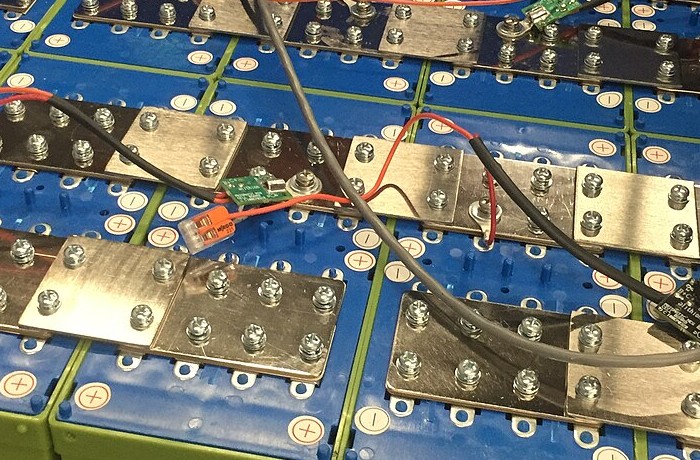
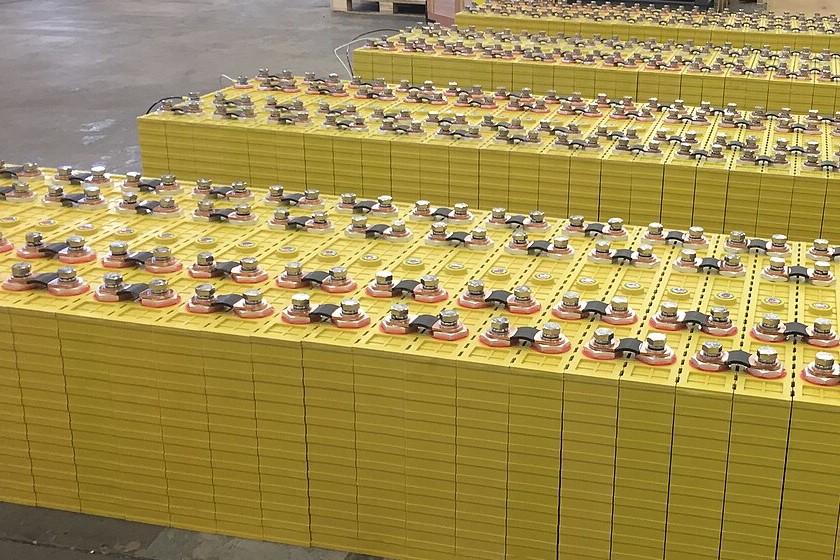
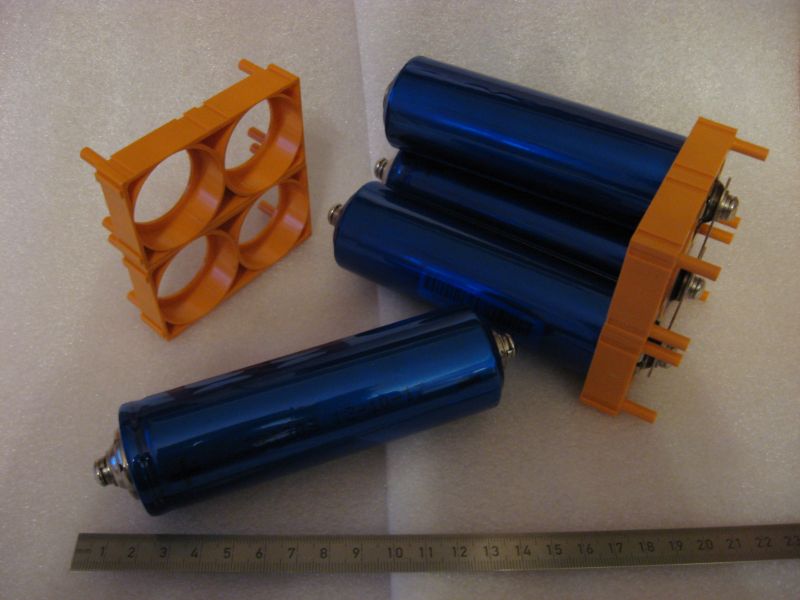
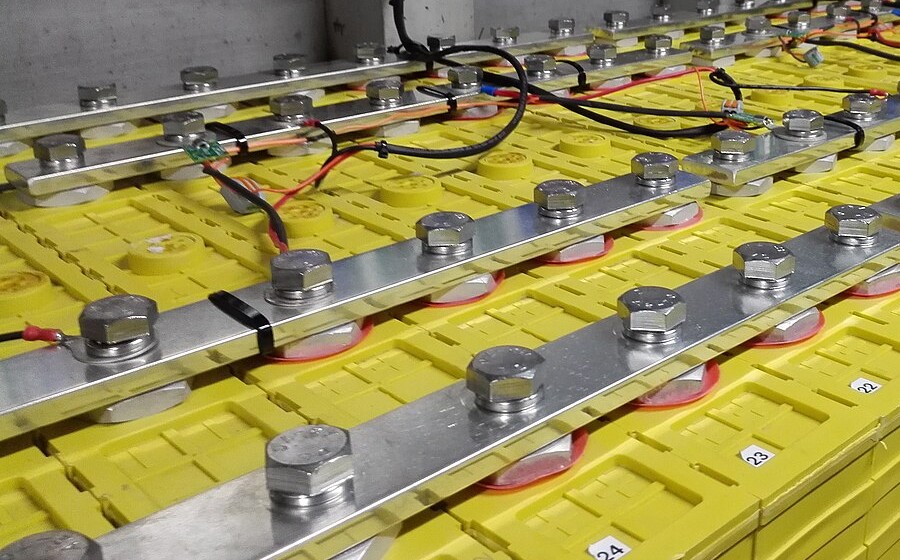
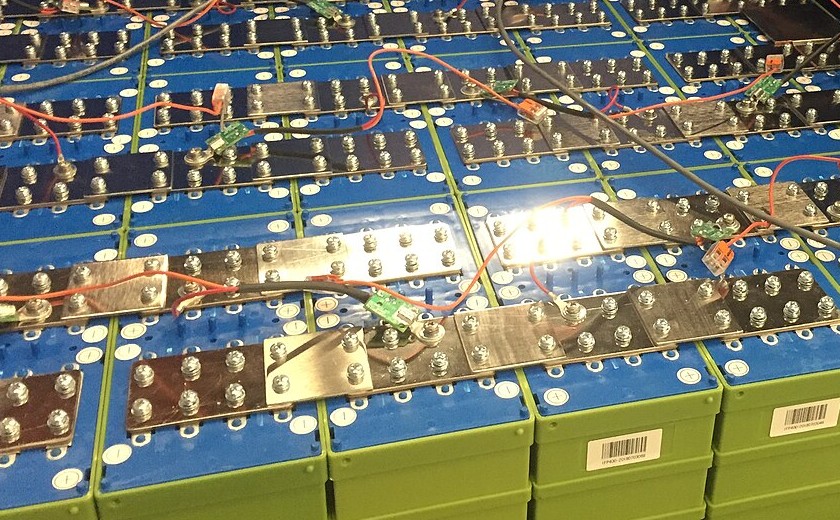
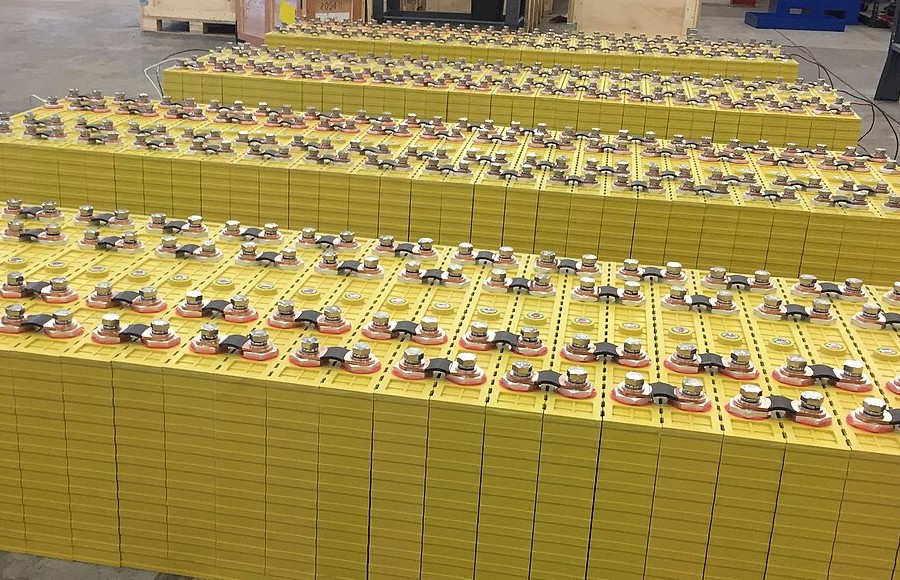
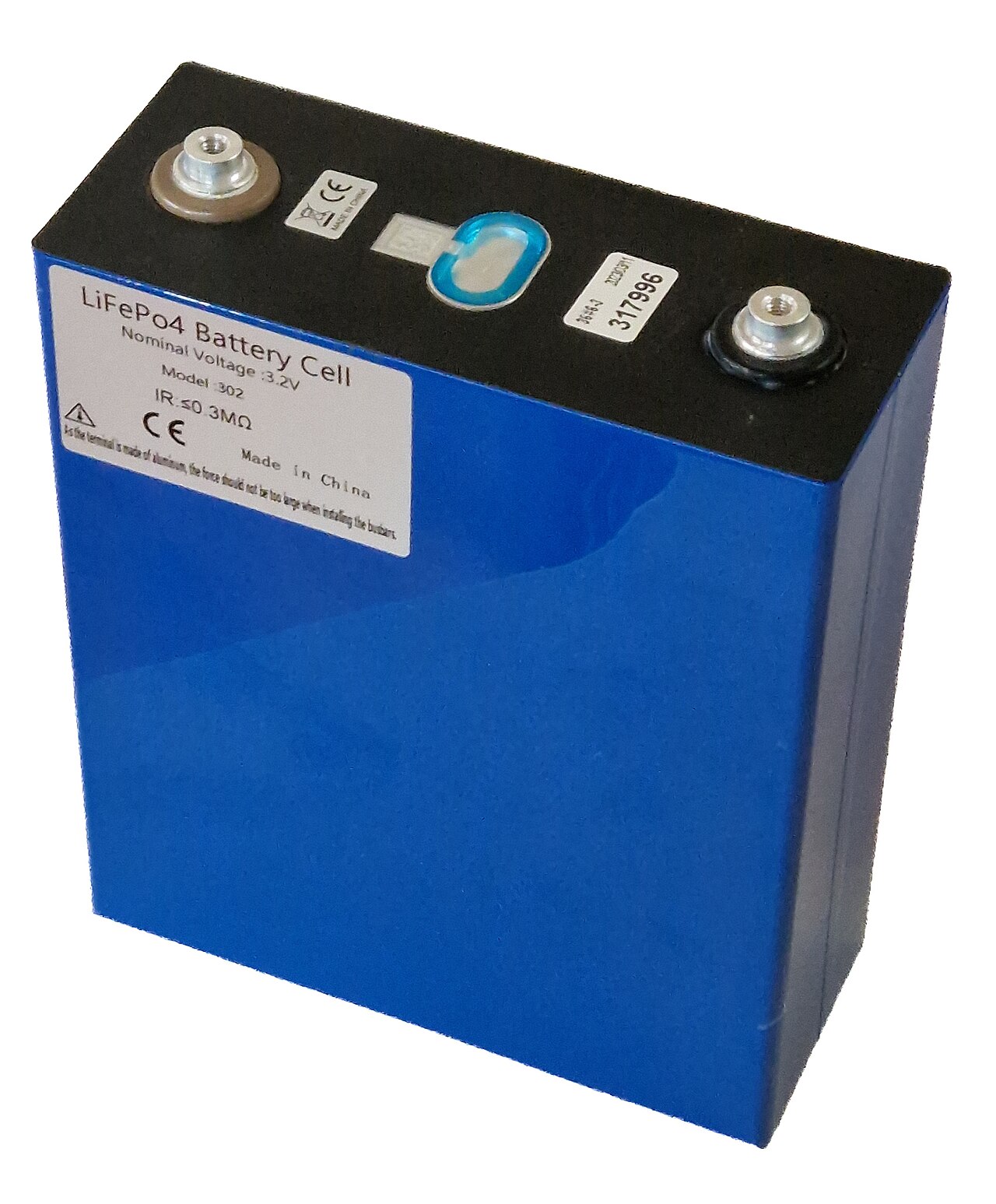
Lithium iron phosphate batteries passed nickel-based chemistries in global EV deployment volume in 2025. LFP contains no nickel and no cobalt. In China, where over 80 percent of EVs sold now use LFP, the chemistry is standard. CATL alone supplies roughly a third of all EVs sold worldwide. LFP packs have fallen below $50/kWh. NMC packs sit above $110.
The energy density gap that historically justified NMC's price premium has narrowed. Cell-to-pack architecture eliminates the module stage and increases volumetric density by 15 to 20 percent. Cell-to-chassis designs go further, integrating cells into the vehicle floor structure. LMFP (lithium manganese iron phosphate) adds manganese to the LFP structure for additional energy density without introducing nickel or cobalt. Sodium-ion batteries, requiring neither lithium nor nickel, are in commercial production in China for low-speed EVs and grid storage.
Indonesia's export ban did not cause this chemistry shift. A decade of Chinese investment in LFP cathode manufacturing, cost optimization at scale, and BYD's Blade Battery architecture caused it. The ban contributed by making nickel supply less predictable and nickel-based batteries marginally more expensive at a moment when LFP was already approaching cost parity. That marginal push arrived at a tipping point. After tipping points, systems do not revert.
The IEA's Global Critical Minerals Outlook 2025 identifies a supply chain irony in LFP's ascent: over 98 percent of LFP cathode material and cell production is in China, making the LFP supply chain more geographically concentrated than the nickel-based chain it is displacing. The chokepoints are different (battery-grade purified phosphoric acid, with a deficit projected by 2030, and battery-grade manganese sulfate, of which China produces 95 percent of global supply). None of them involve Indonesia.
NMC still dominates the premium EV segment. Global nickel demand for batteries continues growing in absolute terms. The structural change is in share, not elimination. Nickel's portion of the battery economy is compressing year over year as LFP takes the mass market and sodium-ion enters the low end. Indonesia positioned itself for a future in which nickel-based batteries would be the dominant chemistry for electric vehicles broadly. That future is not arriving. A different one is, and it routes around Indonesian geology.
The 2025 Quota Cut
Indonesia reduced its national nickel mining quota from 272 million tons to 150 million tons for 2025, a 44 percent cut. Macquarie Group estimated this was equivalent to removing 35 percent of global supply.
The sequence that produced this cut: the export ban attracted capacity investment, the capacity ran at scale, the scale flooded the market, the flood pushed prices to $14,000-$16,000/mt, the low prices destroyed producers in Australia and Canada and New Caledonia (eliminating the diversified supply base that Western governments now want), and the same low prices simultaneously threatened the profitability of Indonesian operations. At $19,000/mt, the price Macquarie projects for 2028, approximately 40 percent of Indonesian operations would be loss-making.
Cutting production to support prices sacrifices the cost advantage that scale provides. It also signals to every battery maker evaluating cathode chemistry options that nickel supply from Indonesia is subject to unilateral government adjustment at any time. For procurement teams building five-to-ten-year supply models, that is a variable that LFP and sodium-ion do not carry.
Chinese-backed producers in Indonesia can absorb extended low-price environments that drive non-Chinese competitors out of the market. Each mine closure in Western Australia or Ontario consolidates the market further in favor of the Indonesia-China axis. The quota cut is a response to a problem that the ban itself created, and the response does not resolve the underlying dynamic. It manages one variable (price) at the cost of another (reliability) while the competitive environment (chemistry shift) continues moving independently of both.
Supply Chain Recalculations
Concentration risk has worsened since 2020, not improved. Indonesia's production share exceeds 60 percent of global output. The collapse of higher-cost mines in other jurisdictions has removed alternatives. Chinese operational control over Indonesian processing adds a second layer of concentration on top of geographic concentration.
Traceability is becoming a legal obligation rather than a voluntary aspiration. The EU battery passport, the Corporate Sustainability Due Diligence Directive, and evolving ESG disclosure requirements are converting supply chain opacity from a practical inconvenience into a litigation and regulatory exposure. The question facing procurement departments is not whether Indonesian nickel is in the battery. The question is whether that presence can withstand a compliance audit, a shareholder inquiry, or a European regulator's review.
Multi-chemistry strategies have acquired a risk-management function beyond their original cost-optimization rationale. LFP in the battery portfolio is now a hedge against nickel supply disruption, nickel price volatility, carbon intensity penalties, due diligence liability, and the reputational cost of sourcing from facilities with documented worker fatality records. That is a lot of risk hedged by a single chemistry substitution, which explains why LFP adoption is accelerating even in markets where NMC's energy density advantage still matters.
Government-backed alternative nickel supply programs (U.S. Development Finance Corporation, Japan's JOGMEC, European critical raw material financing) are directing capital toward projects in Australia, Canada, the Philippines, and parts of Africa. These projects are not competitive with Indonesian nickel on unit cost. They are competitive on a risk-adjusted basis that incorporates supply security, carbon intensity, regulatory compatibility, and geopolitical diversification. The pricing metric in strategic mineral procurement is shifting from $/ton to $/ton-adjusted-for-risk, and that shift has not stabilized.
Where This Leaves the Supply Chain
Indonesia moved to capture downstream nickel value. China moved to capture the capture. Battery chemistry moved to bypass the commodity. The WTO moved to rule the policy illegal and lacked the mechanism to enforce its own ruling. The LME moved to cancel $3.9 billion in trades to prevent a clearing system collapse triggered by the company that controls the physical supply. Workers in Morowali moved into plywood housing next to coal-fired smokestacks and some of them did not move out.
The pattern here is not unique to nickel. Controlling a single input in a complex supply chain provokes three adaptive responses from other nodes: demand-side substitution (LFP replacing NMC), processor-side vertical integration (Chinese firms capturing the refining margin), and importer-side regulatory divergence (EU battery passports, CBAM, due diligence mandates). The speed and specificity of these responses in the nickel case is noteworthy. The pattern is not.
What distinguishes the Indonesian nickel situation from textbook resource nationalism is the simultaneity. The chemistry shift, the Chinese capture of processing, the WTO challenge, the LME crisis, and the human cost in the industrial parks are not sequential chapters. They are concurrent processes, all driven or accelerated by the same policy event, interacting with each other in ways that make the system's trajectory harder to predict and harder to reverse with any single corrective measure. Indonesia cannot undo the Chinese ownership of its smelters, cannot recall the LFP investment decisions already committed by CATL and BYD and every automaker hedging against nickel risk, cannot restore the Australian and Canadian mines that closed at $14,000/mt, and cannot appeal the WTO ruling to a body that does not exist.
The supply chain has adapted. It adapted faster than the policy anticipated.