Best Lithium Battery Solutions for Off-Grid Power in Africa
Energy & Infrastructure
Best Lithium Battery Solutions for Off-Grid Power in Africa
February 26, 2026
Over 600 million people across Africa lack reliable electricity. The grid is not coming for most of them. Off-grid solar with lithium storage is scaling, and the battery is the part that breaks first.
LiFePO4. Lead-acid cannot compete. NMC has thermal runaway risk unsuitable for unmonitored installations in hot climates. Sodium-ion is too early.
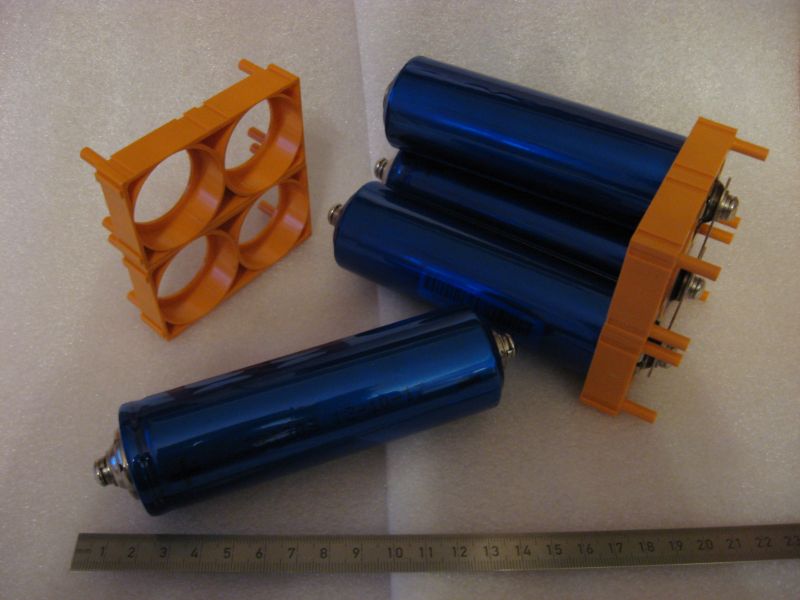
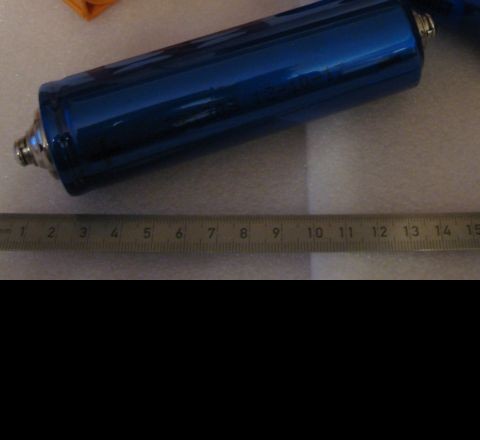
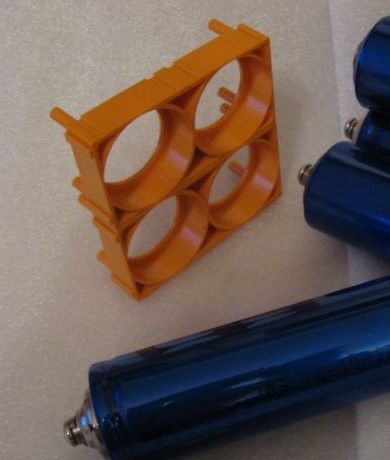
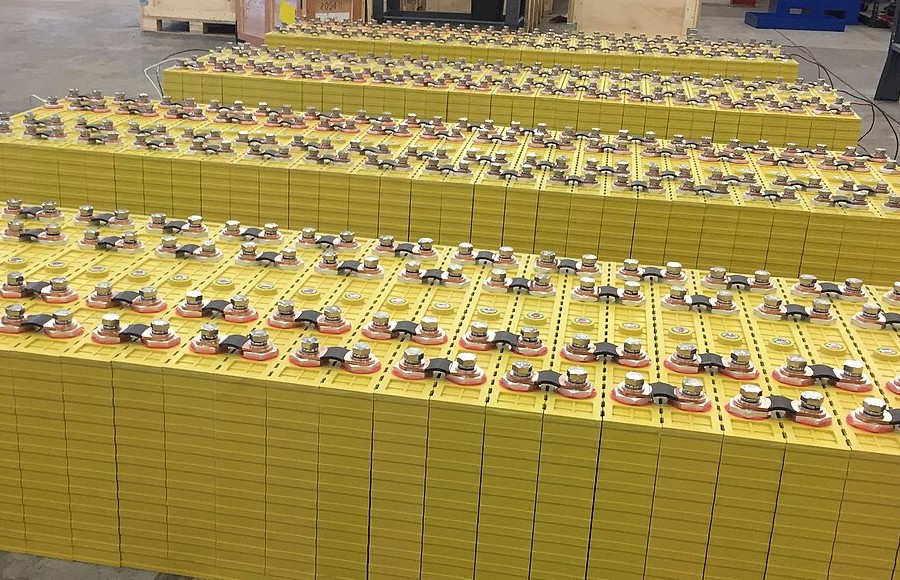
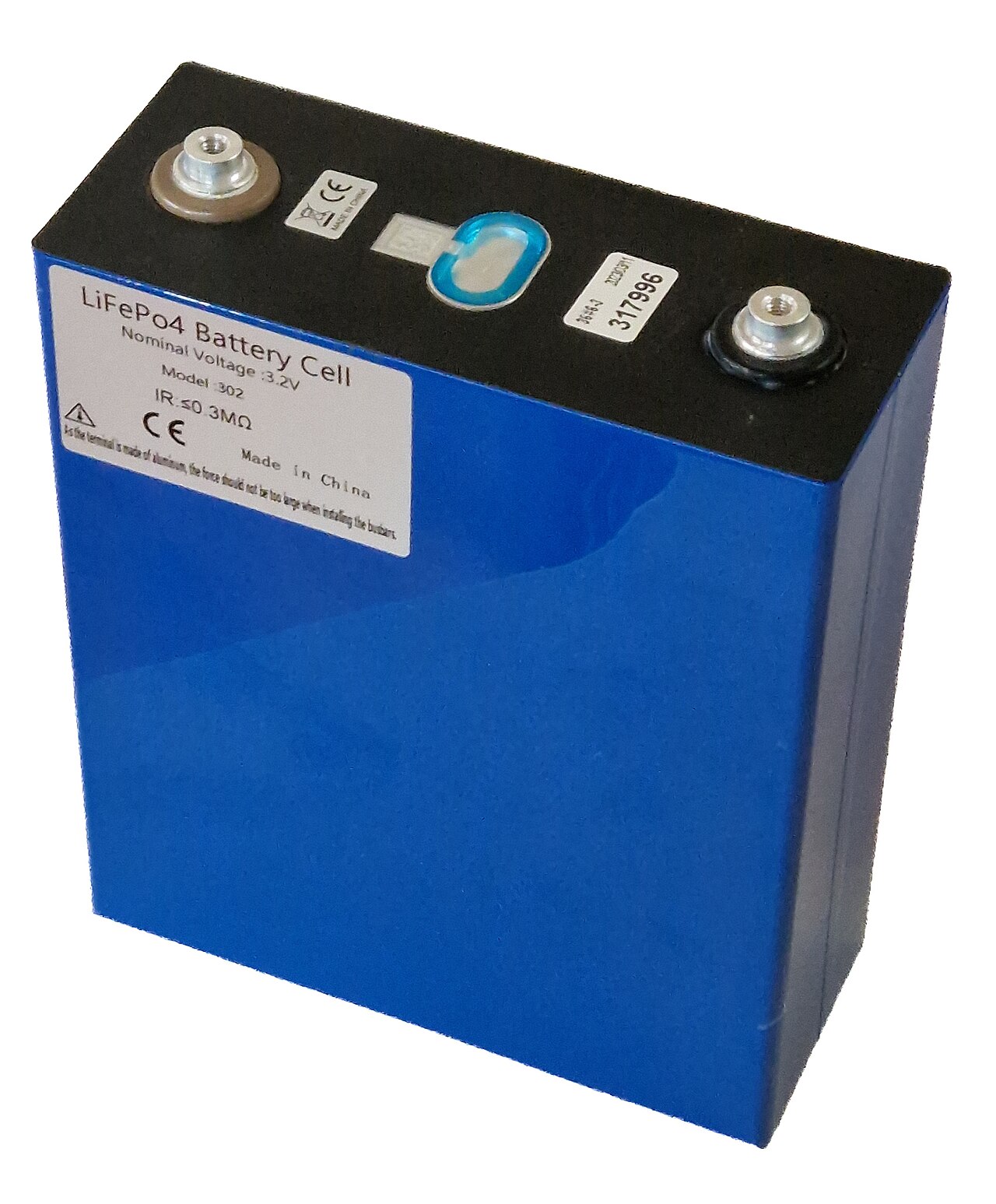
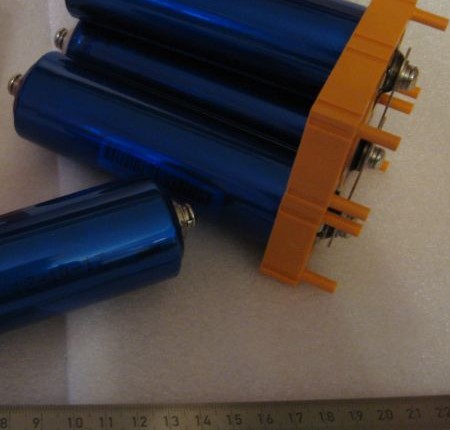
Nearly every LFP battery product on the African off-grid market is built on the 280Ah prismatic cell from EVE Energy, CATL, BYD, REPT, Lishen, or Gotion. Products at completely different price points regularly contain the same cell from the same factory. The datasheets match because the cell is identical. The BMS, the physical connections, the enclosure, the support infrastructure are where products diverge.
BMS Charge Temperature Compensation
Circuit Board
LFP open-circuit voltage at a given state of charge drops as temperature increases. Every major cell manufacturer publishes this as charge/discharge curves at 25°C, 35°C, and 45°C. At 25°C, charging to 3.65V per cell is appropriate. At 40°C, that same 3.65V pushes past 100% state of charge by roughly 30 to 50mV, into a regime where electrolyte decomposition begins. Nothing measurably changes on any single day. After hundreds of cycles in a climate where cells spend most of their operating hours above 30°C, cumulative decomposition has reduced storage capacity irreversibly.
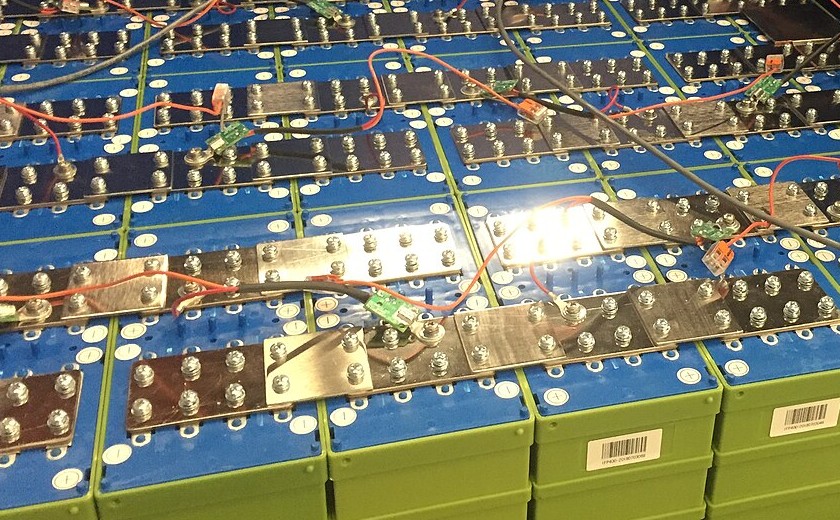
Every BMS board has the hardware to prevent this. Temperature sensor, ADC, charge MOSFET, microcontroller. Compensation is firmware: adjust charge cutoff downward as temperature rises, roughly 3 to 5mV per degree above 25°C, continuously. Same components, no manufacturing change. A firmware engineer spends two to five days writing and validating the algorithm against cell manufacturer charge profiles. Or this work does not get done.
A large fraction of boards on the African market ship without compensation. Some implement a crude single step above 40°C with nothing between 25°C and 40°C. Cells deployed across most of Sub-Saharan Africa spend the bulk of their operating hours between 30°C and 42°C, where a single step at 40°C provides no protection. The per-cycle damage in the low 30s is smaller than at 42°C, which is presumably why the crude implementation survives in the market without causing dramatic enough failures for widespread complaints. Over three years the damage adds up regardless.
Field data from West African SHS deployments, internal industry data circulated through GOGLA working groups since about 2022, involving packs with identical EVE cells from the same batch in identical conditions differing only in firmware, shows roughly ten percentage points of retained capacity difference at three years. On a 14kWh pack, about 1.4kWh of daily usable energy gone. Two hours of evening lights and phone charging.
Determining whether a product has continuous compensation requires asking the manufacturer: what is the compensation slope, what sensor placement, what cell data was the algorithm validated against. A manufacturer whose firmware team did the work gives detailed answers. A manufacturer whose board shipped without it says “intelligent charge management.”
The market structure makes this problem invisible to buyers. The compensation function cannot be seen from outside the pack. Marketing materials do not mention it. The cycle life rating is a cell property and says nothing about BMS behavior. Two products on a distributor’s shelf, one compensated and one not, are indistinguishable without opening both and interrogating both manufacturers about firmware. Procurement frameworks used by most off-grid companies and DFIs ask about cell manufacturer, cycle life, warranty, certifications, price. These are reasonable questions. They also happen to be the questions whose answers vary least between products built on the same cell. Lighting Global’s quality assurance program tests for temperature compensation behavior, which is how the statistical correlation with premature failure was identified in their 2021 technical note. Procurement practices across the industry have been slow to incorporate that finding.
What Else Goes Wrong
PCB Detail
Conformal coating on the BMS board, polymer layer, under two dollars, prevents moisture bridging between PCB traces in coastal humidity. Without it, voltage readings start drifting within six to eighteen months in environments above 80% relative humidity. The Efficiency for Access Coalition’s 2022 annual report has warranty return data from Nigeria’s coastal states: BMS electronics failure leading second-year returns, temperatures within spec, humidity the uncontrolled variable. A field technician sees apparent capacity loss and erratic protection behavior and has no way to distinguish that from cell degradation without bench equipment that is never available at a field visit. Packs with healthy cells get scrapped.
Coulomb counting drifts ten to fifteen percent after eight to ten months without correction. Some boards recalibrate against open-circuit voltage during rest periods. Most budget boards do not.
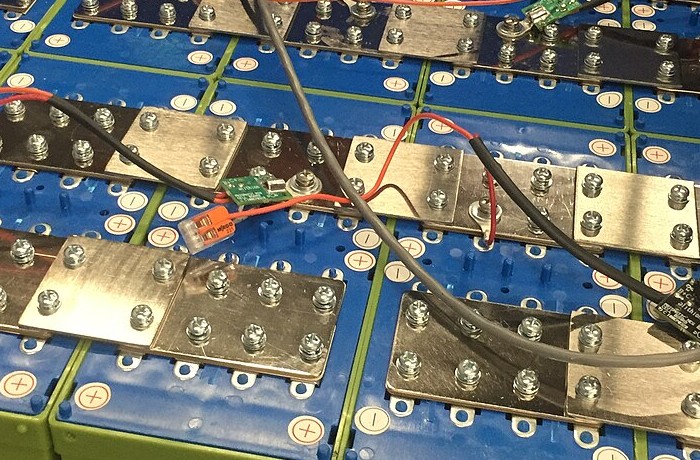
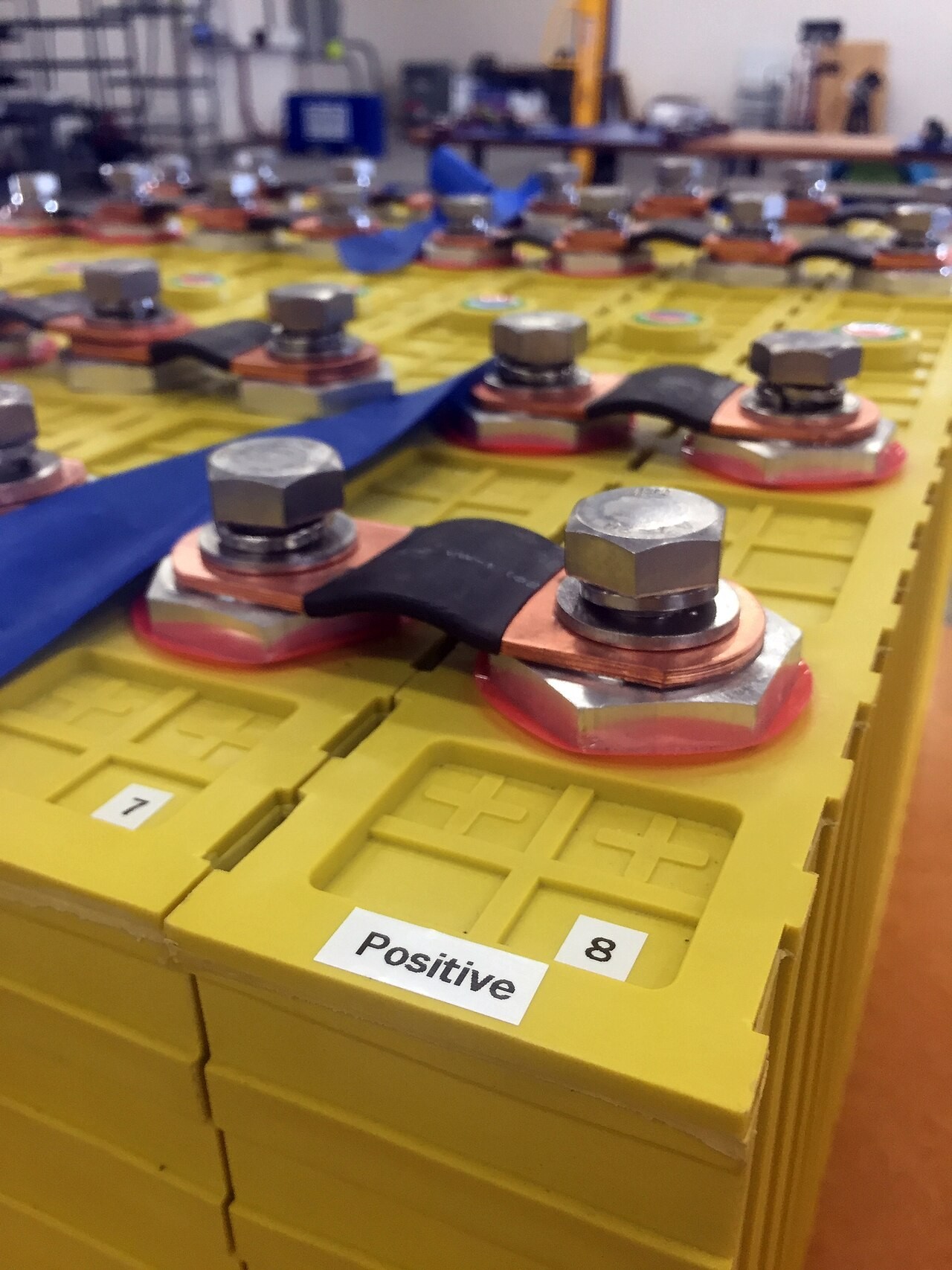
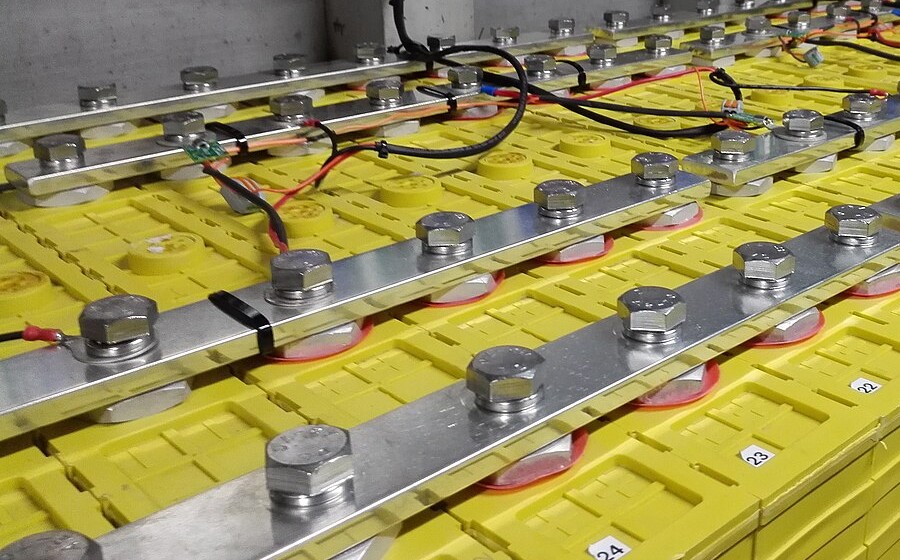
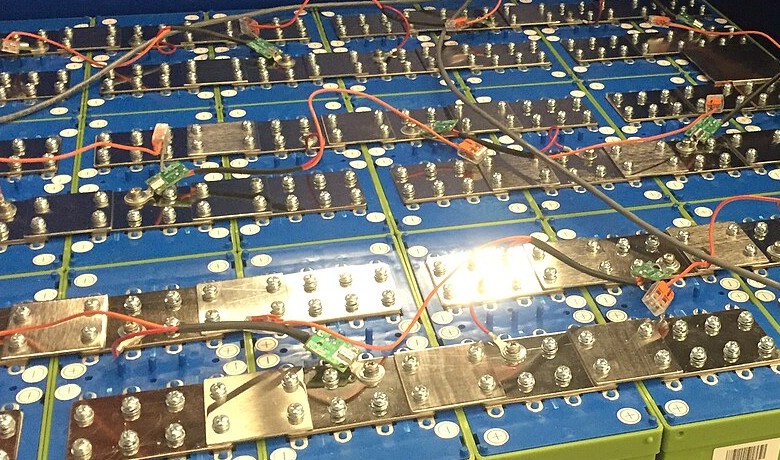
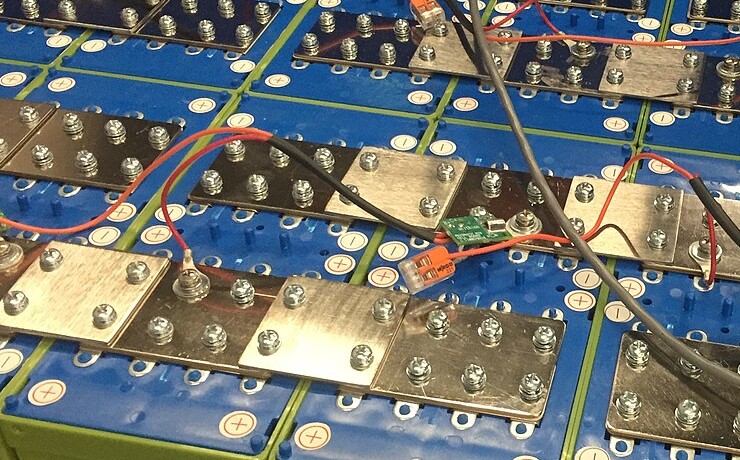
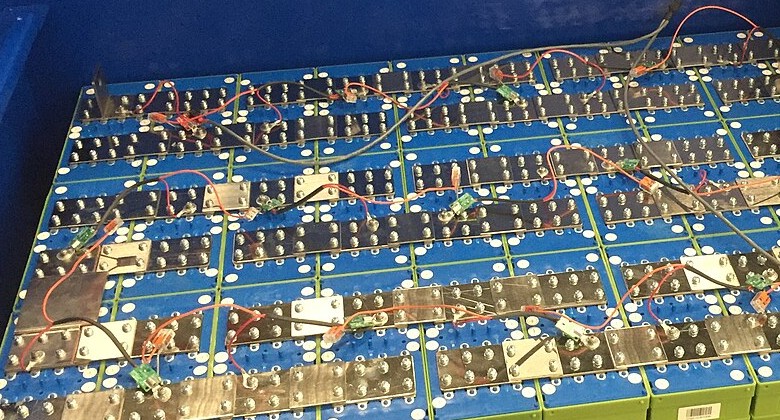
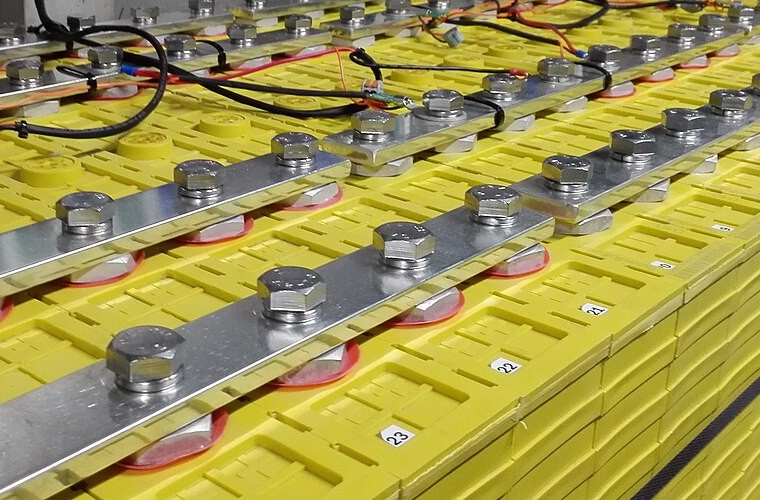
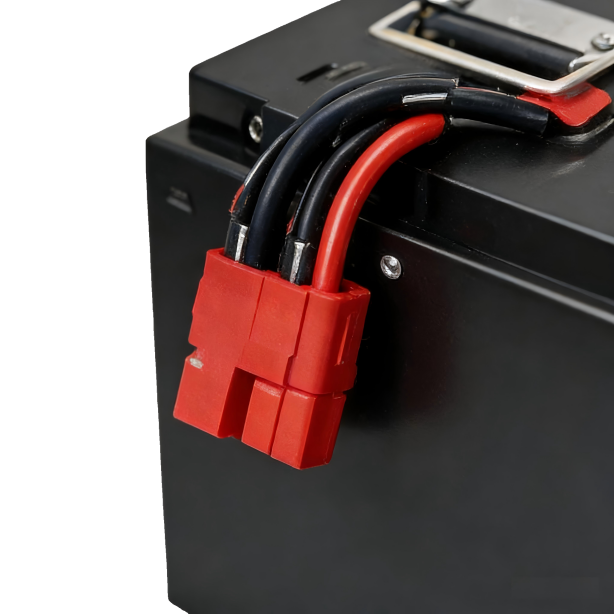
Connection integrity. Nickel-plated copper torqued to spec versus unplated copper hand-tightened. Transport on African roads loosens marginal joints. Coastal humidity oxidizes bare copper. This failure path takes months to manifest and when it does it looks like a battery defect rather than an assembly defect because nobody opens the pack and measures contact resistance at each joint.
Cell consistency in a sixteen-cell series string. Pack capacity equals weakest cell. Grade A single-batch cells spread under one percent. Mixed batches, identifiable through date codes on casings, spread three to seven percent. Active balancing at an amp or more keeps divergence in check. Passive at 60 to 100mA does not keep up with large-format cells over thousands of cycles.
280Ah is at 25°C and 0.5C. Highland East Africa overnight around 87%. Near freezing at altitude below 70%. Higher discharge rates during evening peak reduce further. Design with 10 to 15% derating.
Inverter communication. No universal protocol between BMS and inverter. Partial communication where the inverter receives some data and uses its own defaults for the rest without flagging an error, charging at incorrect voltages for months with normal-looking logs. Battery and inverter need testing as a pair at specific model and firmware level before procurement.
These are all real failure modes in African off-grid deployments. They all show up in field data. They do not all carry equal weight. Temperature compensation and conformal coating together account for more field-life variance than everything else in this list combined, based on what the Lighting Global testing data and the GOGLA field datasets suggest. Connection quality and cell grading matter. They matter less. SOC drift matters. It matters less. Inverter compatibility matters. It matters less. The temptation in writing about off-grid batteries is to give each failure mode its own deep treatment as though they were equally important. They are not. The BMS firmware and the BMS board protection determine the bulk of field outcomes in hot and humid African climates.
Applications
Solar Farm
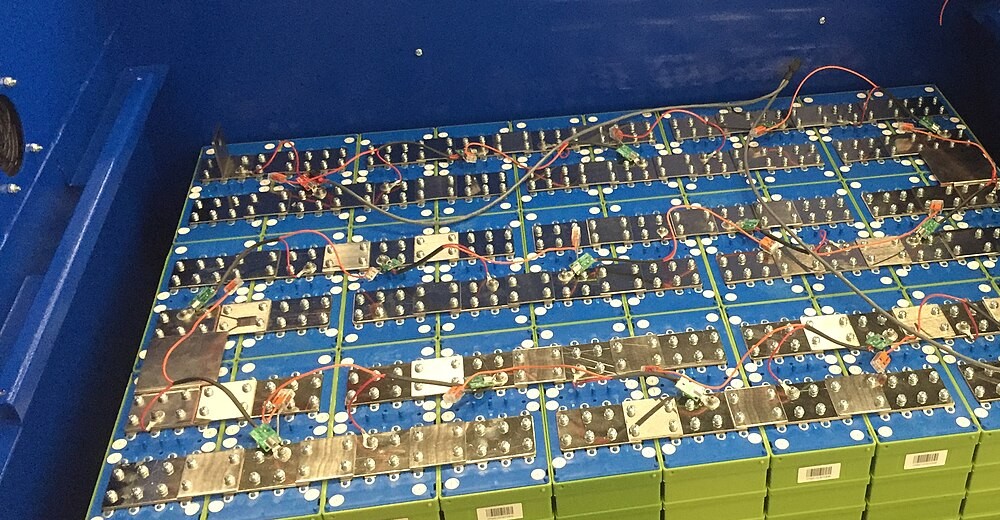
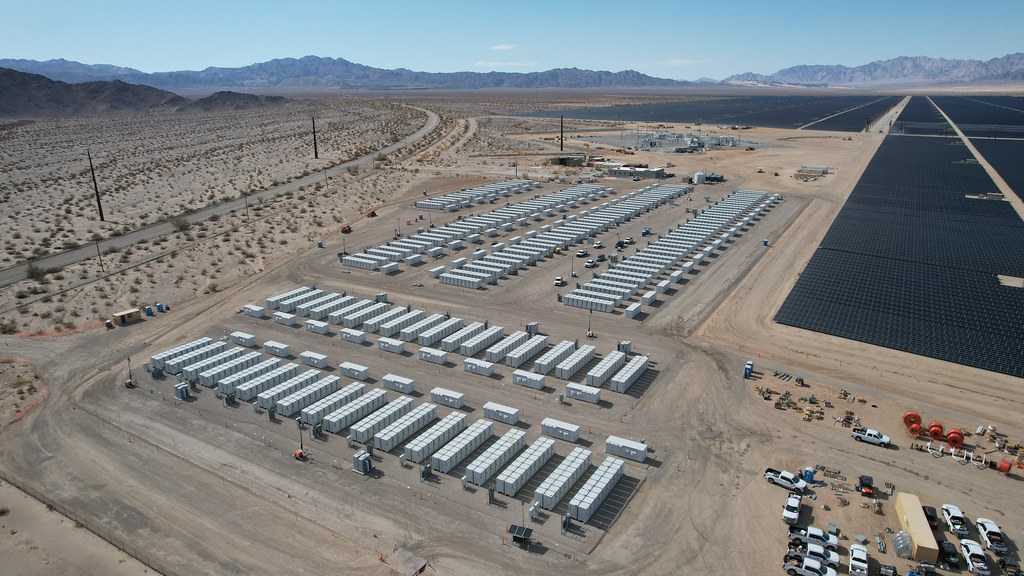
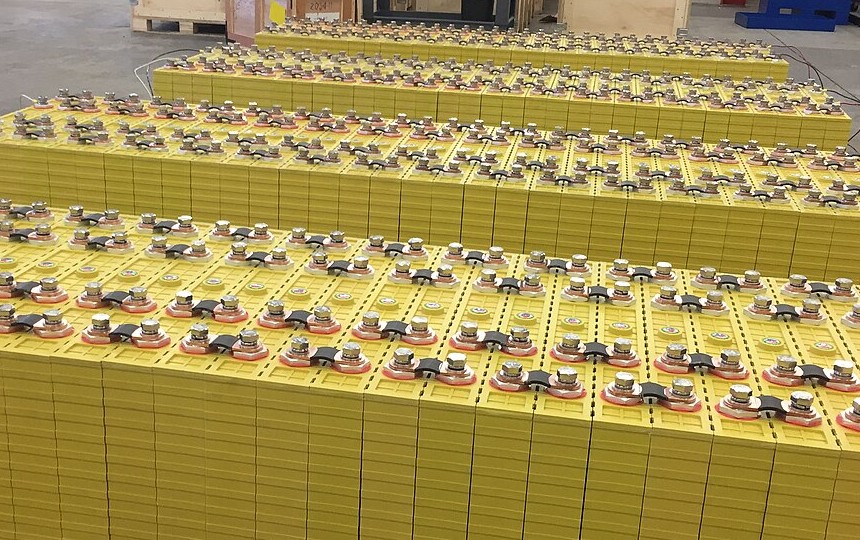
Microgrids: 100kWh bank cycling daily at 80% DOD over ten years needs 3,650 deep cycles. Mid-project replacement around $30,000 with logistics. ESMAP’s 2021 mini-grid data found improperly installed batteries failing at 2.7x the rate of factory-integrated systems. Containerized systems remove the installation variable at the expense of expandability.
SHS: tens of millions deployed. BMS standby current on budget boards at 8 to 12mA drains small packs during inactivity. PAYGO operators sometimes restrict DOD to 55 or 60% to reduce warranty volume. Telecom operators require accelerated calendar-life aging data from accredited labs and have been buying at scale for a decade. Productive use needs BMS overcurrent thresholds matched to motor inrush. These applications differ in scale and financial exposure and specific BMS configuration requirements. They do not differ in the fundamental importance of the BMS firmware quality issues described above. A microgrid battery and an SHS battery both suffer from lack of temperature compensation. The microgrid battery costs more to replace.
Logistics
Freight Containers
Dangerous goods for shipping. Import duties zero to 35% depending on tariff classification, not always applied as legislated. Kenya’s 2023 Finance Act exempted solar storage batteries on paper. Getting that exemption applied at the port is a separate process. Landlocked sites add 25 to 40% above factory price. Replacement repeats the full chain. Regional inventory suppliers compress lead time from months to weeks. End of life: millions of packs reach end of service within five to ten years with no lithium recycling at scale on the continent. Second-life EV modules arriving at steep discounts with residual health assessment still difficult. Local assembly growing in Kenya, Nigeria, South Africa, Rwanda with wide quality range. GOGLA durability framework years from broad adoption.
Evaluating
Quality Inspection
LFP chemistry. Cell samples to a lab, date code check on casings.
The BMS is where procurement should concentrate. Temperature compensation first. Ask for the slope of the compensation curve, the sensor placement, the cell data the algorithm was validated against. Then conformal coating status. Then balancing current, SOC correction method, standby draw, tested inverter compatibility at specific firmware versions.
Open the pack. Look at bus bars, plating, fasteners.
IEC 62619 and UN 38.3 from TÜV, UL, SGS, or Intertek. Warranty exclusion clauses. Nearest service point. Total cost of ownership with site-condition derating. Regional support infrastructure.
Cells from major manufacturers are mature and adequate. Most of the field-life variance between products traces to BMS firmware and physical assembly. Procurement that focuses on cells is looking at the part that varies least. Procurement that focuses on BMS firmware behavior is looking at the part that varies most. The off-grid battery industry in Africa will get better outcomes when procurement practices catch up to what field failure data has been showing for years.